


faux shag rug Performance Analysis
Introduction
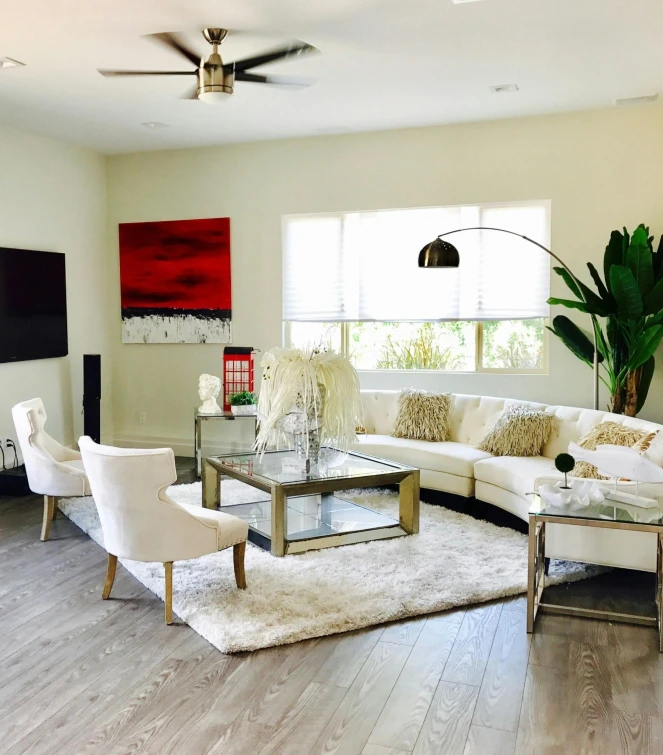
Faux shag rugs, synthetic deep-pile floor coverings, represent a significant segment of the residential and commercial flooring market. Distinguished by their long, dense fibers mimicking traditional shag rugs made from wool or other natural materials, faux shag rugs are predominantly constructed from polypropylene, polyester, or acrylic yarns. Their technical position within the textile chain lies between polymer production and finished home furnishings, requiring a complex interplay of fiber extrusion, yarn texturing, and tufting/weaving techniques. Core performance characteristics revolve around aesthetic appeal, tactile comfort, durability under moderate traffic, and ease of maintenance compared to their natural counterparts. However, performance is heavily influenced by fiber type, pile density, backing material, and manufacturing quality – all crucial considerations for procurement and application engineers. The industry faces ongoing challenges related to achieving a balance between cost-effectiveness, sustainable material sourcing, and enhanced performance properties like stain resistance and flammability.
Material Science & Manufacturing
The foundation of faux shag rugs lies in the polymer science of their constituent fibers. Polypropylene (PP) is the most common material due to its low cost, inherent stain resistance, and ease of processing. However, PP exhibits relatively low UV resistance and can be prone to matting. Polyester (PET) offers better UV stability and a softer hand feel, but is more susceptible to oil-based stains. Acrylic fibers provide a wool-like texture but are less durable and can pill readily. Manufacturing begins with polymer extrusion, creating continuous filaments. These filaments undergo texturing processes – typically crimping or bulking – to increase bulk and create the characteristic shaggy appearance. Yarn production involves drawing, twisting (if necessary), and heat-setting to achieve desired strength and resilience. The rugs are then constructed using either tufting or weaving techniques. Tufting involves inserting yarn loops through a primary backing material, secured with adhesive. Weaving interlaces warp and weft yarns, resulting in a denser, more durable pile, but at a higher cost. Pile density (measured in ounces per square yard or grams per square meter) and pile height (typically ranging from 0.75 to 2.5 inches) are critical parameters controlled during manufacturing. Backing materials, often polypropylene or jute, contribute to stability and prevent slippage. Quality control focuses on fiber denier uniformity, yarn tensile strength, pile density consistency, and dimensional stability after washing.
Performance & Engineering
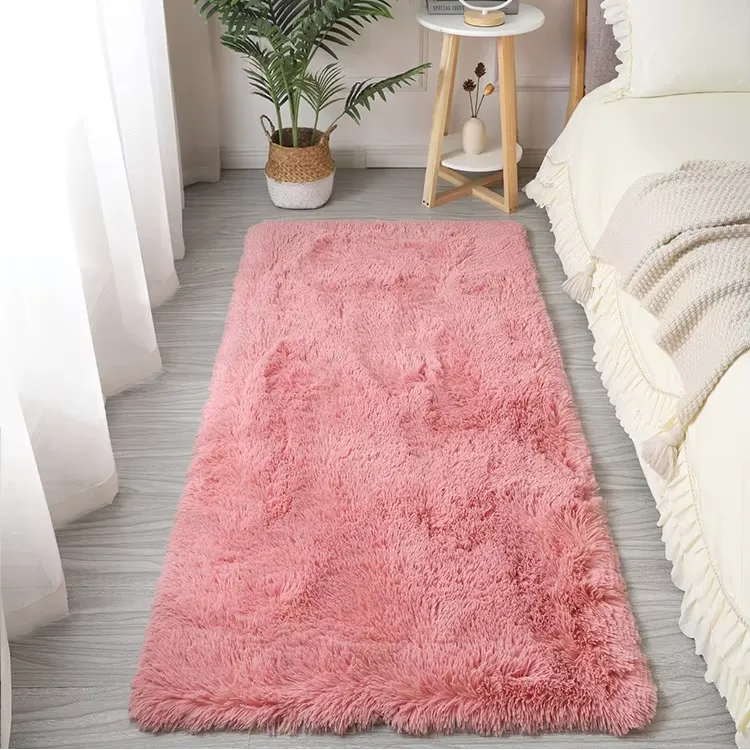
Performance evaluation of faux shag rugs necessitates consideration of several key engineering principles. Foot traffic translates to compressive loading on the pile fibers, leading to potential fiber bending, deformation, and eventual wear. Fiber tensile strength, measured in Newtons (N) or pounds-force (lbf), dictates resistance to breakage under stress. Resilience, the ability of the fibers to spring back to their original shape after compression, is critical for maintaining pile loft and aesthetic appearance. Environmental resistance is paramount; prolonged exposure to sunlight (UV radiation) can cause color fading and polymer degradation, particularly in polypropylene. Moisture absorption, while generally low in synthetic fibers, can lead to mildew growth if not properly managed. Flammability is a significant safety concern, requiring compliance with standards like ASTM E84 (Surface Burning Characteristics) and EN 13501-1 (Classification of building products and building elements according to reaction to fire). Backing materials play a crucial role in dimensional stability, preventing shrinkage or stretching. The choice of adhesive, in tufted rugs, impacts delamination resistance. Force analysis dictates that higher pile density correlates with increased wear resistance, but also increases manufacturing cost and can reduce the perceived softness. Proper rug pad selection significantly improves underfoot comfort, extends rug life, and prevents slippage.
Technical Specifications
| Fiber Material | Pile Height (inches) | Pile Density (oz/sq yd) | Tensile Strength (lbf/inch) |
|---|---|---|---|
| Polypropylene | 1.25 | 60 | 8 |
| Polyester | 1.5 | 75 | 10 |
| Acrylic | 1.0 | 50 | 6 |
| Polypropylene (High Density) | 1.75 | 90 | 12 |
| Polyester (Solution-Dyed) | 2.0 | 80 | 11 |
| Acrylic (Premium) | 1.25 | 65 | 7 |
Failure Mode & Maintenance
Faux shag rugs are susceptible to several failure modes. Fiber fatigue, resulting from repeated compression and bending, leads to fiber breakage and pile thinning. Matting, particularly in polypropylene rugs, occurs when fibers become crushed and lose their resilience. Delamination, in tufted rugs, is caused by adhesive failure between the pile and the backing. UV degradation manifests as color fading and fiber embrittlement. Stain penetration, though reduced compared to natural fibers, can occur with oil-based substances on polyester rugs. Pilling, common with acrylic fibers, results in small fiber balls forming on the surface. Maintenance is crucial for extending rug lifespan. Regular vacuuming (using a suction-only vacuum head to avoid pile damage) removes dirt and debris. Spot cleaning with a mild detergent solution is recommended for spills. Avoid harsh chemicals and abrasive cleaners. Professional cleaning, utilizing dry cleaning or hot water extraction methods, is advisable annually. Rotation of the rug can distribute wear evenly. Preventing direct sunlight exposure minimizes UV degradation. Addressing spills promptly prevents permanent staining. For delamination, professional re-gluing may be necessary; however, significant delamination often necessitates rug replacement.
Industry FAQ
Q: What is the primary difference in durability between polypropylene and polyester shag rugs?
A: Polypropylene, while less expensive, generally exhibits lower abrasion resistance and a propensity for matting compared to polyester. Polyester fibers possess superior resilience and retain their pile loft for a longer duration under moderate traffic. However, polyester is more vulnerable to oil-based stains, requiring prompt attention to spills.
Q: How does pile density impact the performance and cost of a faux shag rug?
A: Higher pile density translates to increased wear resistance and a plusher feel. However, higher density requires more yarn, significantly increasing manufacturing costs. There’s a point of diminishing returns; excessively high density can make the rug feel stiff and less comfortable.
Q: What are the key flammability standards for faux shag rugs and how do manufacturers achieve compliance?
A: Key standards include ASTM E84 and EN 13501-1. Manufacturers achieve compliance by using inherently flame-retardant fibers (some polyester and acrylic formulations) or by applying flame-retardant treatments to the backing. Adhering to these standards is crucial for safety and legal requirements.
Q: What backing materials are commonly used and how do they affect the rug’s overall performance?
A: Polypropylene and jute are the most common backing materials. Polypropylene offers good stability and moisture resistance. Jute is a natural fiber, more eco-friendly, but less durable and susceptible to moisture damage. The backing material provides structural support and prevents the rug from stretching or distorting.
Q: What is the expected lifespan of a high-quality faux shag rug under typical residential use?
A: A well-maintained, high-quality faux shag rug constructed from durable fibers (polyester or high-density polypropylene) can reasonably be expected to last 5-10 years under typical residential use. Lifespan is heavily dependent on traffic levels, cleaning frequency, and environmental factors like sunlight exposure.
Conclusion
Faux shag rugs offer a compelling combination of aesthetic appeal, comfort, and affordability within the floor coverings market. Their performance is intrinsically linked to the material science of the synthetic fibers employed, the precision of manufacturing processes, and adherence to rigorous quality control standards. Understanding the trade-offs between fiber types – polypropylene, polyester, and acrylic – is critical for informed procurement decisions.
Future developments will likely focus on sustainable material sourcing, incorporating recycled polymers and bio-based fibers, alongside advancements in yarn technology to enhance durability and stain resistance. Optimizing manufacturing processes to reduce waste and improve energy efficiency will also be key areas of innovation. The continued demand for comfortable and visually appealing floor coverings ensures the sustained relevance of faux shag rugs in both residential and commercial settings.