

faux sheepskin fur Performance Analysis
Introduction
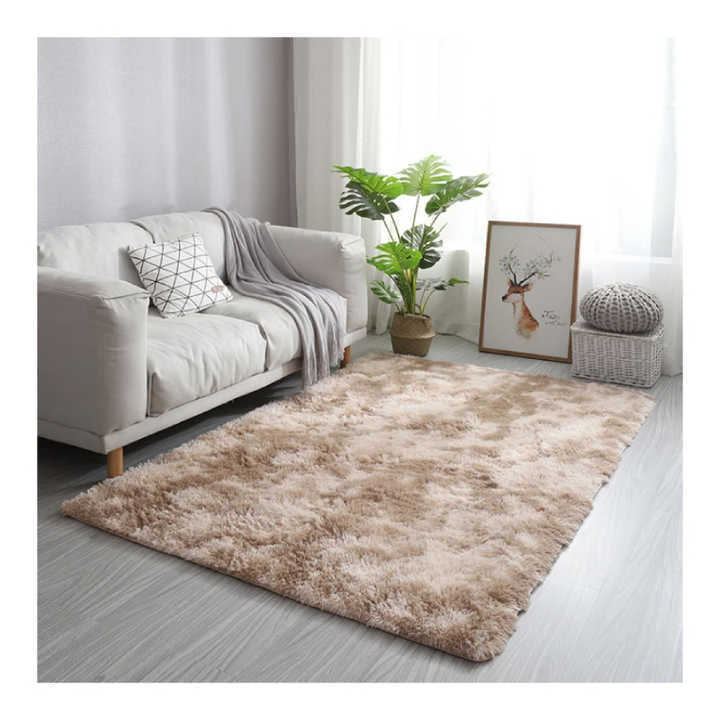
Faux sheepskin fur, a synthetic textile engineered to mimic the appearance and tactile qualities of genuine sheepskin, represents a significant advancement in materials science within the broader textile industry. Positioned primarily as a substitute for natural sheepskin in applications demanding comfort, warmth, and aesthetic appeal, it avoids the ethical concerns and inherent variability associated with animal-derived products. Its industrial chain begins with the sourcing of base fibers – typically acrylic, modacrylic, or polyester – which are then processed through a series of complex manufacturing steps to create a pile structure that replicates the density, loft, and texture of natural sheepskin. Core performance characteristics include thermal insulation, softness, durability, and resistance to staining and fading. However, key differentiators regarding flammability, breathability, and longevity require careful consideration during material selection and product design. The market is driven by increasing consumer demand for sustainable and cruelty-free alternatives, alongside the need for cost-effective solutions in various industries including automotive, apparel, home furnishings, and medical equipment.
Material Science & Manufacturing
The foundation of faux sheepskin fur lies in the selection of appropriate polymeric fibers. Acrylic fibers, favored for their wool-like hand and cost-effectiveness, possess a relatively low melting point (around 200°C) and moderate resistance to UV degradation. Modacrylic fibers offer enhanced flame retardancy, making them suitable for applications requiring stringent fire safety standards, but generally exhibit lower abrasion resistance. Polyester, known for its durability and dimensional stability, provides a resilient base but may lack the inherent softness of acrylic or modacrylic. The manufacturing process typically involves several stages: fiber extrusion, yarn spinning, knitting or weaving, dyeing, and finally, pile formation. Pile formation is critical; techniques such as tufting, locking, or needle punching are employed to create the dense, long-pile structure characteristic of sheepskin. Tufting, the most common method, involves inserting loops of yarn through a backing material, followed by shearing to achieve the desired pile height and density. Parameter control is paramount. Yarn denier (fiber thickness), stitch density, pile height, and shearing precision all significantly impact the final product’s hand feel, thermal performance, and aesthetic quality. Chemical compatibility of dyes and finishing agents with the base fiber is also vital to ensure colorfastness and prevent degradation. Backing materials, often comprised of polyester or polypropylene, provide structural integrity and influence the fabric’s drape and overall performance.
Performance & Engineering
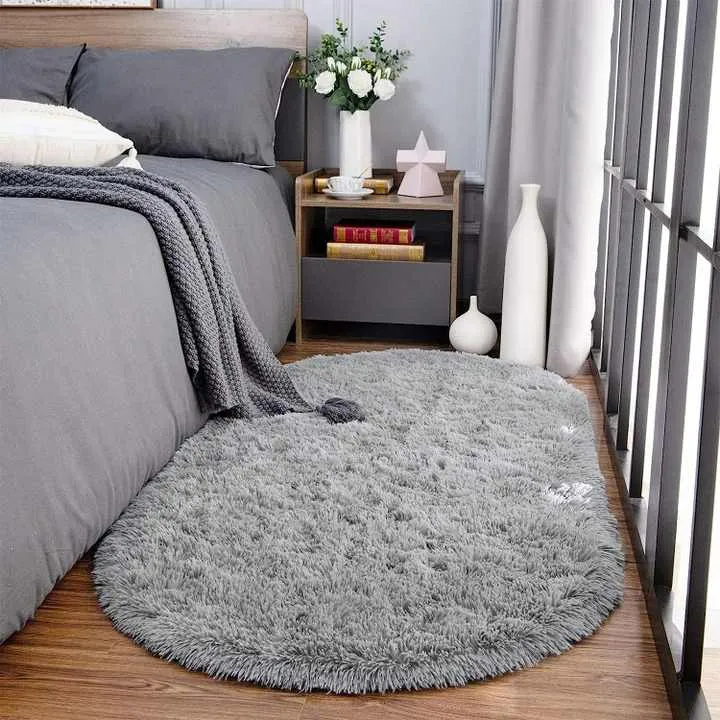
The performance of faux sheepskin fur is heavily reliant on its structural and material properties. Thermal resistance, quantified by its Clo value, is a key performance indicator, determining its ability to trap air and provide insulation. A higher Clo value indicates greater thermal efficiency. Force analysis reveals that the fabric’s tensile strength, tear strength, and elongation properties are critical for durability. These parameters are influenced by fiber type, yarn construction, and fabric density. Environmental resistance is another crucial factor. Prolonged exposure to UV radiation can cause fiber degradation, leading to color fading and reduced strength. Moisture absorption and wicking capabilities are typically lower than those of natural sheepskin, potentially leading to discomfort in high-humidity environments. Flammability is a significant concern, especially for applications in furniture and transportation. Most acrylic-based faux furs are inherently flammable, necessitating the application of flame-retardant treatments. Compliance with relevant safety standards, such as California Technical Bulletin 117 for furniture flammability, is essential. Furthermore, the engineering design must account for potential compression set – the permanent deformation that can occur under sustained load – which can compromise the fabric’s loft and thermal performance over time. The selection of appropriate backing materials and the application of stabilizing finishes can mitigate this effect.
Technical Specifications
| Parameter | Acrylic Fur | Modacrylic Fur | Polyester Fur | Units |
|---|---|---|---|---|
| Pile Height | 20-40 | 25-45 | 15-30 | mm |
| Pile Density | 800-1200 | 900-1400 | 600-1000 | fibers/cm² |
| Tensile Strength (Warp) | 80-120 | 70-100 | 100-150 | N/5cm |
| Tensile Strength (Weft) | 60-100 | 50-80 | 80-120 | N/5cm |
| Flammability (LOI) | 22-24 | 26-28 | 24-26 | % Oxygen |
| Thermal Resistance (Clo) | 0.8-1.2 | 0.9-1.3 | 0.6-1.0 | Clo Units |
Failure Mode & Maintenance
Faux sheepskin fur is susceptible to several failure modes. Matting and crushing of the pile are common, resulting from repeated compression and abrasion. This diminishes its aesthetic appeal and thermal insulation. Fiber shedding, particularly with lower-quality materials, contributes to a loss of pile density and can be a source of irritation. UV degradation, leading to color fading and embrittlement of the fibers, is prevalent in outdoor applications. Hydrolysis, the breakdown of polymers due to exposure to moisture, can weaken the fibers over time, particularly in acrylic-based furs. Oxidation, accelerated by heat and light, can also cause fiber degradation. Delamination of the backing material is another potential failure point, particularly if the adhesive bond is weak. Maintenance is crucial for prolonging the lifespan of faux sheepskin fur. Regular vacuuming with a soft brush attachment removes dust and debris, preventing matting. Spot cleaning with mild detergent and water addresses stains. Avoid harsh chemicals and abrasive cleaners. Professional dry cleaning is recommended for thorough cleaning, but ensure the cleaning process is compatible with the fiber type. Avoid prolonged exposure to direct sunlight and high temperatures. Proper storage in a cool, dry, and well-ventilated area minimizes the risk of degradation.
Industry FAQ
Q: What is the primary difference in durability between acrylic and polyester faux sheepskin fur?
A: Polyester generally exhibits superior abrasion resistance and dimensional stability compared to acrylic. While acrylic offers a softer hand feel, polyester is less prone to pilling and maintains its shape better over extended use. For high-traffic applications like automotive seating, polyester is often the preferred choice, despite the slightly higher cost.
Q: How does the flame retardancy of modacrylic fur compare to treated acrylic fur?
A: Modacrylic fur inherently possesses higher flame retardancy than acrylic fur, even when acrylic is treated with flame-retardant chemicals. Modacrylic fibers contain a higher proportion of nitrogen, which inhibits combustion. While treated acrylic fur can meet flammability standards, modacrylic offers a more permanent and reliable solution, reducing the risk of re-ignition.
Q: What impact does pile height have on thermal insulation performance?
A: Generally, a higher pile height correlates with improved thermal insulation. A longer pile creates more air pockets, which trap air and reduce convective heat loss. However, pile density also plays a crucial role; a very high pile with low density may not perform as well as a moderate pile with high density. The optimal pile height depends on the specific application and desired level of insulation.
Q: What are the common methods for assessing the quality and performance of faux sheepskin fur during procurement?
A: Procurement managers should request material specification sheets detailing fiber composition, pile height, density, and relevant performance data (tensile strength, flammability, thermal resistance). Visual inspection for even pile distribution and backing integrity is also essential. Conducting abrasion tests (e.g., Martindale) and flammability tests (e.g., California Technical Bulletin 117) ensures compliance with safety standards.
Q: Can faux sheepskin fur be recycled, and what are the challenges associated with its end-of-life management?
A: Recycling faux sheepskin fur presents significant challenges. The mixed fiber composition (often a blend of different polymers) complicates the recycling process. Unlike natural fibers, most faux furs are not biodegradable. While some recycling initiatives are emerging, they are currently limited in scope. Downcycling into lower-value products, such as carpet padding, is the most common end-of-life pathway. Research into chemical recycling technologies is ongoing, but widespread adoption remains a future prospect.
Conclusion
Faux sheepskin fur represents a sophisticated materials solution, offering a viable alternative to natural sheepskin across a diverse range of applications. Its performance characteristics—thermal insulation, aesthetic appeal, and relative affordability—are critical drivers for its continued market growth. However, careful consideration must be given to material selection based on specific application requirements, particularly concerning flammability, UV resistance, and durability. Understanding the manufacturing processes and potential failure modes allows for optimized product design and extended service life.
Future advancements will likely focus on developing more sustainable and recyclable faux sheepskin materials, utilizing bio-based polymers and improving fiber separation techniques. Enhanced flame-retardant treatments that minimize environmental impact are also a key area of research. Ultimately, the continued evolution of faux sheepskin fur will be driven by the demand for high-performance, ethically sourced, and environmentally responsible textile solutions.