

faux sheepskin rug 3x5 Performance Analysis
Introduction
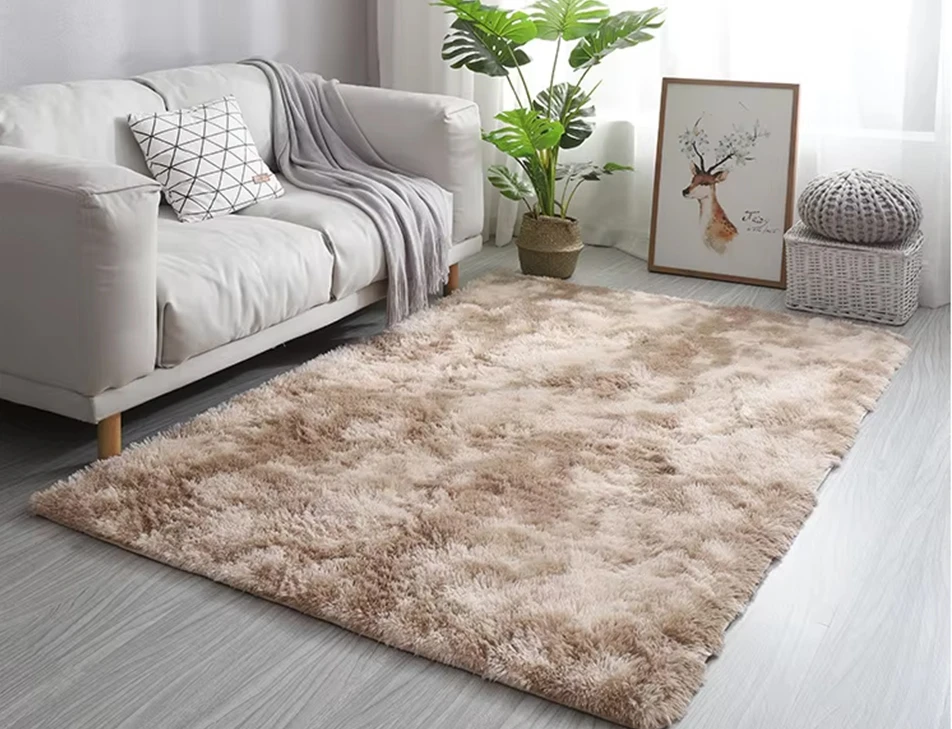
Faux sheepskin rugs, specifically the 3x5 foot dimension, represent a significant segment within the broader floor covering and home décor market. Technically categorized as pile fabrics featuring a looped or cut pile construction intended to mimic the tactile and visual characteristics of genuine sheepskin, these rugs serve both aesthetic and functional purposes. Their position in the industry chain begins with the production of synthetic fibers – typically acrylic, polyester, or a blend – and extends through tufting, dyeing, finishing, and ultimately, retail distribution. Core performance characteristics include thermal insulation, sound dampening, visual appeal, and ease of maintenance, offering a cost-effective and ethically sourced alternative to natural sheepskin. The growing demand is driven by consumer preferences for animal-free products and the versatility of the material in diverse interior design applications. Understanding the material science, manufacturing processes, and performance limitations is crucial for ensuring product quality, durability, and consumer satisfaction.
Material Science & Manufacturing
The foundational material of faux sheepskin rugs dictates their properties. Predominantly, acrylic and polyester are employed due to their cost-effectiveness and ability to simulate the feel of natural wool. Acrylic fibers (polyacrylonitrile) possess a bulky, wool-like texture but exhibit lower abrasion resistance and UV stability compared to polyester. Polyester, on the other hand, offers superior durability, colorfastness, and resistance to fading, making it a preferred choice for high-traffic areas and outdoor applications. Manufacturing commences with polymer synthesis, followed by fiber extrusion using techniques like melt spinning. These fibers are then tufted onto a primary backing material – typically polypropylene – utilizing a tufting machine. The tufting process creates loops of fiber which can be left intact (loop pile) for a denser, more textured surface, or cut to create a softer, plusher pile. Dyeing occurs either prior to or after tufting, employing various techniques including solution dyeing (adding pigment to the polymer before extrusion) and piece dyeing (dyeing the completed fabric). A secondary backing, often latex or PVC, is laminated to the primary backing to enhance dimensional stability and prevent shedding. Critical parameters controlled during manufacturing include fiber denier (thickness), pile height, pile density, and dye concentration. Consistent monitoring of these parameters is essential for achieving uniform product quality and meeting performance specifications. Post-treatment processes may include brushing, shearing, and anti-static finishing to refine the final product's appearance and functionality.
Performance & Engineering
The performance of a faux sheepskin rug is governed by its physical and mechanical properties, influenced by the materials used and manufacturing techniques. Force analysis reveals that the rug’s resistance to deformation and compression is directly correlated to fiber density and pile height. Higher pile density and height generally equate to greater cushioning and resilience. Environmental resistance is a critical consideration. Polyester-based rugs exhibit superior resistance to moisture, mold, and mildew compared to acrylic counterparts. However, both materials are susceptible to degradation from prolonged UV exposure, resulting in color fading and fiber weakening. Compliance requirements vary by region. In the US, flammability standards, as defined by 16 CFR Part 1610, must be met. In Europe, EN 13501-1 specifies fire classification standards. The structural integrity of the rug relies on the adhesion between the primary and secondary backings. Shear forces generated during use can lead to delamination if the adhesive bond is insufficient. Furthermore, the resilience of the pile fibers is crucial for maintaining the rug’s appearance and comfort over time. Repeated compression and abrasion can cause fiber matting and loss of loft. Engineered solutions, such as utilizing high-tenacity fibers and employing robust adhesive systems, are essential for mitigating these performance limitations and ensuring long-term durability.
Technical Specifications
| Parameter | Acrylic Fiber Rug | Polyester Fiber Rug | Unit |
|---|---|---|---|
| Pile Height | 20-25 | 20-30 | mm |
| Pile Density | 800-1200 | 1000-1500 | grams/m² |
| Fiber Denier | 2-3 | 2-4 | dtex |
| Tensile Strength (Warp/Weft) | 200/150 | 300/250 | N/5cm |
| Colorfastness to Light (Grade) | 4-5 | 6-7 | - |
| Water Absorption (%) | 5-8 | 1-3 | % |
Failure Mode & Maintenance
Faux sheepskin rugs are susceptible to several failure modes. Fiber shedding is a common occurrence, particularly in the initial stages of use, resulting from loose fibers breaking free from the tufted structure. This can be mitigated through improved tufting techniques and the application of latex or PVC backing. Pile compression, or matting, occurs due to repeated foot traffic and furniture placement, leading to a loss of loft and a flattened appearance. UV degradation, especially in acrylic fibers, causes color fading and fiber embrittlement, reducing the rug’s aesthetic appeal and structural integrity. Delamination of the primary and secondary backing is a significant failure mode, often initiated by shear stresses and moisture penetration. Oxidation of the fibers, particularly polyester, can occur over extended periods, resulting in a gradual loss of strength and flexibility. Maintenance protocols are crucial for prolonging the rug’s lifespan. Regular vacuuming is essential for removing dust and debris. Spot cleaning with a mild detergent is recommended for addressing spills. Avoid harsh chemicals and abrasive cleaners, as these can damage the fibers and backing. Periodic rotation of the rug can help distribute wear evenly and minimize pile compression. Professional cleaning is advisable every 12-18 months to restore the rug’s appearance and remove deeply embedded dirt. For severe delamination, re-gluing the backing layers with a suitable adhesive may offer a temporary solution, but complete replacement is often the most effective course of action.
Industry FAQ
Q: What is the primary difference between acrylic and polyester faux sheepskin rugs regarding durability and outdoor use?
A: Polyester exhibits significantly higher durability and UV resistance compared to acrylic. Acrylic fibers are prone to shedding, fading, and degradation when exposed to sunlight, rendering them unsuitable for outdoor applications. Polyester maintains its color and structural integrity for a longer period, making it the preferred choice for areas with high foot traffic or prolonged sun exposure.
Q: How does pile height affect the thermal insulation properties of the rug?
A: Pile height directly correlates with thermal insulation. A higher pile height creates a thicker layer of air pockets, effectively trapping heat and providing greater warmth underfoot. Conversely, a lower pile height offers less insulation but may be easier to clean and maintain.
Q: What flammability standards should faux sheepskin rugs comply with in the US market?
A: Faux sheepskin rugs sold in the US must comply with 16 CFR Part 1610, Standard for the Flammability of Carpets and Rugs. This standard specifies requirements for surface flammability and smoldering resistance. Manufacturers must conduct testing to ensure their products meet these criteria.
Q: What causes delamination in faux sheepskin rugs, and how can it be prevented?
A: Delamination occurs when the adhesive bond between the primary and secondary backing fails. This can be caused by shear stresses, moisture penetration, or the use of inadequate adhesives. Prevention involves utilizing high-strength adhesives, ensuring proper drying times, and minimizing exposure to excessive moisture. A higher quality secondary backing also contributes to improved adhesion.
Q: How important is the denier of the fiber used in the rug’s construction, and what does it signify?
A: Fiber denier is a crucial parameter representing the linear mass density of the fiber. Lower denier fibers (finer) generally result in a softer, more luxurious feel, but may exhibit lower durability. Higher denier fibers (coarser) offer increased strength and abrasion resistance, but can be less comfortable. The optimal denier depends on the intended application and desired performance characteristics.
Conclusion
Faux sheepskin rugs, particularly those measuring 3x5 feet, represent a sophisticated balance of aesthetic appeal, functional performance, and cost-effectiveness within the floor covering industry. Their manufacturing process, reliant on synthetic fiber technology and tufting techniques, dictates crucial properties such as durability, resilience, and environmental resistance. A thorough understanding of material science, particularly the characteristics of acrylic and polyester fibers, is paramount for ensuring product quality and meeting stringent regulatory requirements.
The long-term performance of these rugs is critically dependent on mitigating common failure modes like fiber shedding, pile compression, UV degradation, and delamination through appropriate material selection, robust manufacturing processes, and diligent maintenance practices. Future developments may focus on utilizing recycled and bio-based fibers to enhance sustainability and reduce environmental impact, while advancements in adhesive technology will continue to improve the durability and longevity of these widely popular home décor items.