

fluffy faux fur rug Performance Analysis
Introduction
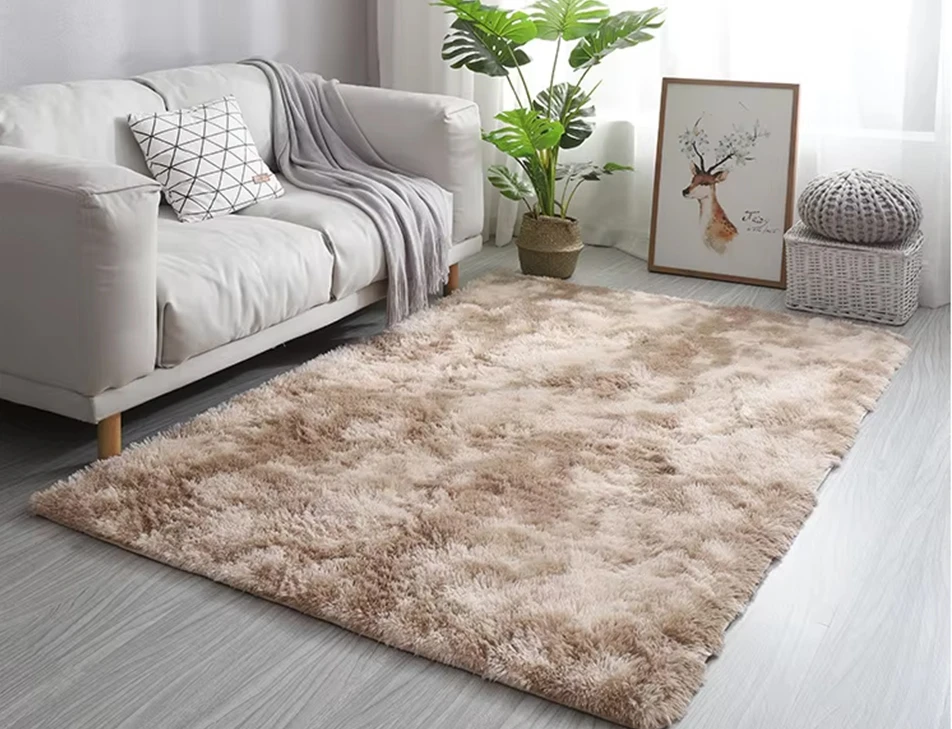
Fluffy faux fur rugs represent a significant segment within the broader interior textiles market, offering a cost-effective and ethically sourced alternative to genuine animal fur. Their technical position within the supply chain extends from petrochemical feedstock production (for synthetic fiber creation) through textile manufacturing, finishing, and ultimately, retail distribution. Core performance characteristics center around tactile comfort, thermal insulation, aesthetic appeal, and resistance to shedding. These rugs are primarily utilized in residential and light commercial settings, offering a soft and visually appealing floor covering. However, their performance is heavily dictated by the polymer composition, fiber construction, and backing material utilized, requiring a detailed understanding of these factors for ensuring durability and longevity. A key industry pain point revolves around achieving consistent pile density and minimizing fiber migration, impacting both the aesthetic quality and lifespan of the product. Consumer expectations for washability and resistance to matting also present manufacturing challenges.
Material Science & Manufacturing
The primary raw material for fluffy faux fur rugs is typically polyester, specifically polyethylene terephthalate (PET), though polypropylene (PP) and acrylic fibers are also utilized, impacting both cost and performance. PET offers good resilience and dyeability, while PP is known for its moisture resistance. Acrylic provides a softer hand feel but exhibits lower durability. Fiber production involves extrusion, where molten polymer is forced through spinnerets to create filaments. The denier (fiber thickness) and crimp frequency are critical parameters, influencing pile softness and loft. Manufacturing processes predominantly utilize knitted or woven bases, with the faux fur fibers subsequently attached. Knitting provides a more flexible and resilient backing, while weaving offers greater dimensional stability. Attachment methods include tufting, where fibers are inserted through the base material, and flocking, which involves adhering cut fibers to an adhesive-coated substrate. Pile height is a crucial parameter, typically ranging from 20mm to 60mm, dictating the rug's perceived fluffiness. Dyeing is commonly performed using solution dyeing, ensuring colorfastness, or piece dyeing after fiber attachment. Backing materials frequently include jute, polypropylene, or latex, providing structural integrity and preventing slippage. The density of the pile (weight per unit area, typically expressed in g/m²) significantly affects durability and perceived luxury. Parameter control during extrusion, including temperature, die pressure, and cooling rate, directly influences fiber uniformity and physical properties.
Performance & Engineering
Performance characteristics are heavily influenced by the interplay between fiber properties and construction. Force analysis focuses on compression set (the degree to which the pile retains its shape after being compressed), tensile strength of the fiber (resistance to breaking under tension), and shear resistance (resistance to fibers pulling out of the backing). Environmental resistance is a critical consideration. Exposure to UV radiation can cause color fading and polymer degradation, particularly in polypropylene fibers. Moisture absorption is minimal in polyester and polypropylene, enhancing stain resistance but potentially leading to static build-up. Thermal conductivity is low, providing a degree of insulation. Compliance requirements vary by region but often include flammability testing (assessing ignition resistance and flame spread) as per standards like California Technical Bulletin 117, and VOC emission testing to ensure low levels of volatile organic compounds. The backing material’s resistance to delamination is crucial for maintaining structural integrity. Pile density directly correlates with perceived comfort and thermal insulation. Engineering considerations involve optimizing fiber crimp to maximize loft and resilience while minimizing fiber shedding. The choice of adhesive (in flocked rugs) impacts long-term adhesion and resistance to cleaning agents. The rug’s overall weight contributes to its stability and resistance to movement.
Technical Specifications
| Parameter | Polyester (PET) | Polypropylene (PP) | Acrylic | Units |
|---|---|---|---|---|
| Pile Height | 20-60 | 20-50 | 25-55 | mm |
| Pile Density | 800-2000 | 600-1500 | 700-1800 | g/m² |
| Fiber Denier | 75-300 | 150-600 | 100-400 | dtex |
| Tensile Strength | 60-80 | 40-60 | 45-70 | cN/tex |
| UV Resistance (Rating 1-5, 5=Excellent) | 2 | 3 | 1 | - |
| Moisture Absorption | 0.4 | 0.1 | 1.5 | % |
Failure Mode & Maintenance
Common failure modes include fiber shedding, pile matting, color fading, and backing delamination. Fiber shedding arises from insufficient fiber anchoring or abrasion during use. Pile matting occurs due to compression and the loss of fiber loft, exacerbated by foot traffic. Color fading is primarily caused by UV exposure, leading to polymer degradation and pigment breakdown. Backing delamination results from adhesive failure or weakening of the base material. Oxidation of polypropylene fibers can lead to brittleness and cracking over extended periods. Maintenance is crucial for extending lifespan. Regular vacuuming (using a brush attachment to avoid excessive suction) removes dust and debris. Spot cleaning with a mild detergent and water is recommended for stains. Avoid harsh chemicals and excessive moisture. Professional cleaning is advisable for deep cleaning and restoring pile loft. Preventative measures include rotating the rug to distribute wear, using rug pads to reduce friction, and avoiding direct sunlight exposure. For significant delamination, professional re-bonding of the backing may be possible, but often represents a cost-prohibitive repair.
Industry FAQ
Q: What is the primary difference in durability between polyester and polypropylene faux fur rugs?
A: Polypropylene generally exhibits higher stain resistance and is less susceptible to moisture absorption, making it suitable for high-traffic areas and homes with pets. However, polyester offers superior resilience and better maintains its pile loft over time. Polypropylene is also more prone to oxidation and can become brittle with prolonged UV exposure, whereas polyester displays moderate UV resistance.
Q: How does the backing material impact the overall performance of the rug?
A: The backing material provides structural integrity and prevents slippage. Jute backings offer a natural fiber option but are prone to moisture absorption and degradation. Polypropylene backings are more durable and moisture-resistant. Latex backings provide good adhesion but can become brittle and crack over time. The backing's adhesion strength directly impacts resistance to delamination.
Q: What causes the pile to mat down, and how can it be prevented?
A: Pile matting is primarily caused by compression from foot traffic and furniture. Using a rug pad underneath helps distribute weight and reduce compression. Regular vacuuming to lift the fibers and rotating the rug to evenly distribute wear can also help. Selecting a rug with a higher pile density contributes to better resilience and resistance to matting.
Q: How does the denier of the fiber affect the feel and quality of the rug?
A: Lower denier fibers (finer fibers) generally result in a softer and more luxurious feel. However, lower denier fibers are also more susceptible to shedding and wear. Higher denier fibers provide greater durability but can feel coarser. A balance between denier and pile construction is essential for achieving optimal performance.
Q: What flammability standards are typically applicable to faux fur rugs, and what do they assess?
A: Common flammability standards include California Technical Bulletin 117, which assesses the ignitability and flame spread of upholstery materials. These tests evaluate how quickly the material ignites when exposed to a flame source and how rapidly the flame spreads across the surface. Compliance with these standards is crucial for ensuring consumer safety.
Conclusion
Fluffy faux fur rugs represent a complex intersection of material science, manufacturing techniques, and performance considerations. The selection of appropriate polymers (polyester, polypropylene, acrylic), fiber construction parameters (denier, crimp), and backing materials directly impacts the rug's durability, aesthetic appeal, and overall lifespan. Understanding failure modes—shedding, matting, delamination, and color fading—is critical for implementing effective maintenance strategies and ensuring long-term customer satisfaction.
Continued innovation in fiber technology and manufacturing processes will likely focus on enhancing UV resistance, reducing fiber shedding, and improving the sustainability of raw materials. The development of bio-based polymers and more environmentally friendly dyeing processes represent key areas for future research and development. Manufacturers must prioritize rigorous quality control and adherence to relevant safety and performance standards to maintain consumer confidence and address evolving market demands.