

fluffy light pink rug Performance Analysis
Introduction
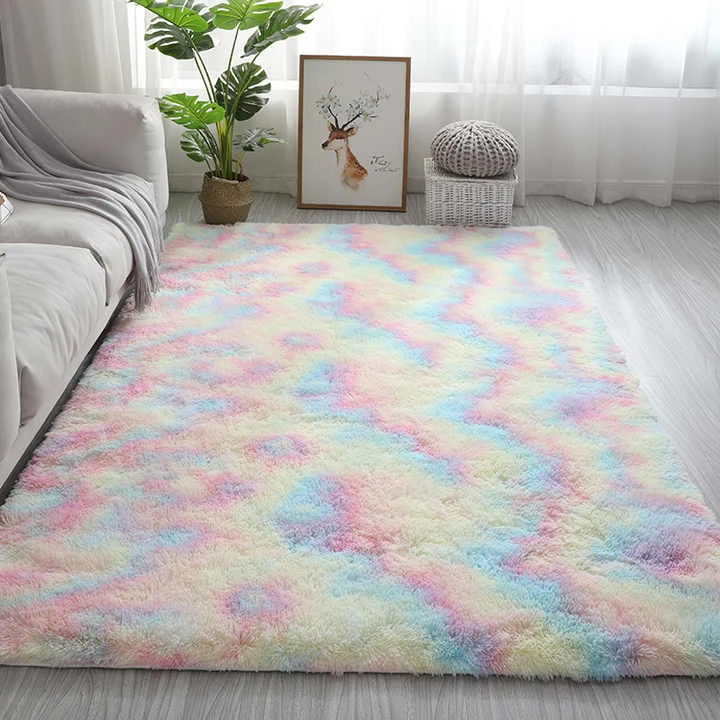
Fluffy light pink rugs represent a significant segment within the broader floor covering industry, positioned as both a functional and aesthetic element in interior design. Primarily constructed from synthetic fibers, these rugs serve to provide thermal insulation, acoustic dampening, and a soft surface for foot traffic. Their light pink coloration and plush texture cater specifically to markets prioritizing comfort and visual appeal, notably residential spaces, children's rooms, and boutique commercial settings. The performance characteristics of these rugs are dictated by the specific fiber composition, pile density, and backing material utilized in their manufacture. A critical understanding of these factors is essential for assessing durability, maintenance requirements, and overall suitability for intended applications. The increasing demand for synthetic alternatives to natural fibers, coupled with advancements in textile manufacturing, drives continuous innovation in this product category, focusing on improved stain resistance, enhanced resilience, and environmentally conscious production methods.
Material Science & Manufacturing
The predominant raw material in fluffy light pink rugs is typically polypropylene (PP), often in the form of heat-set, twisted frize yarn. Polypropylene is favored due to its cost-effectiveness, inherent stain resistance, and ability to retain color vibrancy. Polyester is also frequently utilized, offering a softer hand-feel and improved resilience. The yarn denier (thickness) directly impacts the pile height and overall plushness of the rug, with higher denier yarns creating a more luxurious texture. Backing materials commonly include jute, polypropylene, or a combination of both, providing structural integrity and dimensional stability. The manufacturing process begins with yarn extrusion, where polymer pellets are melted and forced through spinnerets to form continuous filaments. These filaments are then textured, typically through air-jet texturing or false-twist texturing, to enhance bulk and provide a softer tactile experience. The textured yarn is subsequently heat-set to maintain its shape and crimp. Rug construction primarily employs tufting, a process where yarns are inserted into a primary backing material using needles. The density of the tufts – measured in stitches per square inch – significantly influences the rug's durability and perceived quality. Following tufting, a secondary backing, often a latex or polyurethane coating, is applied to secure the tufts and provide additional cushioning. Critical parameters include yarn linear density control, consistent tufting gauge, accurate adhesive application, and meticulous quality control checks for pile height uniformity and color consistency. Dyeing processes usually employ solution dyeing, where pigment is added to the polymer melt before extrusion, resulting in superior colorfastness.
Performance & Engineering
The performance of a fluffy light pink rug is fundamentally governed by its resistance to compressive forces, shear stresses, and environmental degradation. The pile height, yarn type, and backing material collectively determine the rug’s ability to withstand foot traffic and maintain its shape. Force analysis reveals that the majority of stress is concentrated at the yarn fibers, necessitating high tensile strength and elongation properties. Polypropylene’s relatively low melting point (around 160°C) dictates limitations in high-temperature environments. Environmental resistance is a critical consideration, particularly concerning UV exposure and moisture absorption. Prolonged exposure to sunlight can cause fading and degradation of the polymer fibers, especially in the pink coloration. Moisture absorption, though limited in synthetic fibers, can promote mold and mildew growth if the rug is not properly dried after cleaning. Compliance requirements vary depending on regional regulations. In the US, the Federal Flammability Standard (16 CFR Part 1610) dictates flammability resistance, typically achieved through the application of flame retardant treatments. European standards, such as EN 1307, specify performance criteria for pile height loss, colorfastness, and dimensional stability. Slip resistance, assessed through testing standards like ASTM D2047, is also an important safety consideration. The structural integrity of the rug is paramount, ensuring that the tufts remain securely anchored to the backing, preventing shedding and premature wear. Pile recovery – the ability of the pile to rebound after compression – is a key indicator of quality and longevity.
Technical Specifications
| Parameter | Unit | Typical Value (Range) | Test Method |
|---|---|---|---|
| Pile Height | mm | 25-40 | ASTM D3891 |
| Pile Density | stitches/in² | 400-800 | Visual Inspection/Count |
| Total Weight | g/m² | 800-1500 | ASTM D3891 |
| Fiber Composition | % | 100% Polypropylene or Polyester | FTIR Spectroscopy |
| Colorfastness to Light | Grade (1-5) | 4-5 (Grey Scale) | ISO 105-B02 |
| Water Absorption | % | < 1.0 | ASTM D570 |
Failure Mode & Maintenance
Fluffy light pink rugs are susceptible to several failure modes. Common issues include fiber shedding, particularly during initial use, stemming from loose tufts or incomplete adhesion to the backing. Pile crushing and matting occur due to prolonged compression, reducing the rug’s aesthetic appeal and cushioning effect. Fading of the pink coloration is a significant concern, especially with exposure to direct sunlight or harsh cleaning agents. Delamination – separation of the primary and secondary backing – can occur due to adhesive failure, leading to structural instability. Stain penetration, while mitigated by polypropylene’s inherent stain resistance, can occur with oil-based or strongly pigmented substances. Oxidation of the polymer fibers over extended periods can lead to brittleness and discoloration. Maintenance practices are crucial to prolonging the rug’s lifespan. Regular vacuuming (at least twice weekly) removes loose dirt and debris, preventing abrasive wear. Spot cleaning should be performed immediately with a mild detergent and water, avoiding harsh chemicals or excessive scrubbing. Professional cleaning is recommended annually to deep clean the fibers and restore their appearance. Rotation of the rug every 6-12 months helps distribute wear evenly. Protecting the rug from direct sunlight and excessive moisture is essential to prevent fading and mold growth. Promptly addressing spills and stains minimizes the risk of permanent discoloration. Avoid excessive heat or steam cleaning, which can damage the polymer fibers.
Industry FAQ
Q: What is the primary advantage of using polypropylene versus polyester in a fluffy rug?
A: Polypropylene generally offers superior stain resistance and is more cost-effective. Polyester, however, tends to be softer to the touch and exhibits better resilience, meaning it recovers its shape more readily after compression. The choice depends on the intended application and budget constraints. For high-traffic areas prone to spills, polypropylene is often preferred. For bedrooms or low-traffic areas where comfort is paramount, polyester may be a better option.
Q: How does the rug backing material affect its overall durability?
A: The backing material provides critical structural support. Jute backings are natural, biodegradable, and offer good stability but are susceptible to moisture damage. Polypropylene backings are more durable, moisture-resistant, and less prone to mildew. Latex backings provide good adhesion but can become brittle over time. The combination of materials—for instance, a jute base with a polypropylene coating—is often used to leverage the benefits of each.
Q: What flame retardancy standards apply to fluffy rugs, and how are they achieved?
A: In the US, 16 CFR Part 1610 is the primary flammability standard. European standards include EN 14041. Flame retardancy is typically achieved by applying a chemical treatment to the fibers or backing. These treatments can involve halogenated or non-halogenated compounds designed to inhibit combustion. Testing ensures the rug meets the required burn rate and flame spread limits.
Q: What is the impact of pile density on the rug’s lifespan and performance?
A: Higher pile density generally correlates with increased durability and a more luxurious feel. A denser pile distributes weight more evenly, reducing stress on individual fibers. It also provides better resistance to crushing and matting. However, a very dense pile can sometimes feel less soft and comfortable underfoot. The optimal pile density depends on the intended use and desired comfort level.
Q: How can I minimize fading of the light pink color over time?
A: Minimizing direct sunlight exposure is paramount. Using curtains or blinds can significantly reduce UV radiation. Avoid using harsh cleaning agents that contain bleaching agents or strong solvents. Rotate the rug periodically to ensure even exposure to light. Consider applying a UV protectant spray designed for textiles, though this may require reapplication over time.
Conclusion
Fluffy light pink rugs represent a nuanced intersection of material science, manufacturing processes, and performance engineering. Their construction, typically relying on synthetic polymers like polypropylene and polyester, is optimized for cost-effectiveness, stain resistance, and aesthetic appeal. The long-term durability and performance of these rugs are intrinsically linked to factors such as pile height, density, backing material, and adherence to industry standards regarding flammability and environmental resistance.
Continued innovation in fiber technology and manufacturing techniques is focused on enhancing these performance characteristics, improving sustainability, and expanding the range of design possibilities. Future advancements may include the incorporation of recycled materials, the development of bio-based polymers, and the implementation of more efficient and environmentally friendly dyeing processes. Understanding these technical aspects is critical for informed procurement decisions and ensuring the longevity and satisfaction derived from these popular floor coverings.