


fluffy throw rug Performance Analysis
Introduction
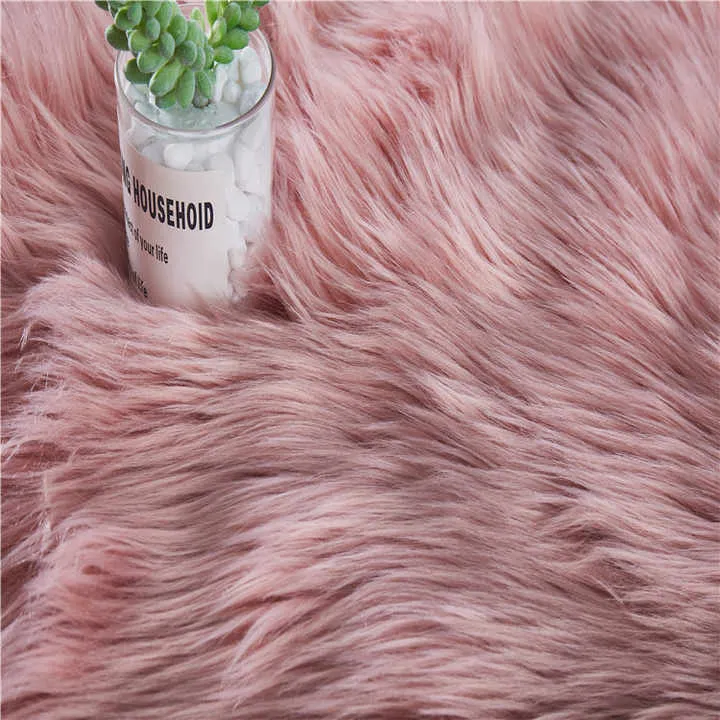
Fluffy throw rugs, categorized within the broader textile floor covering industry, represent a significant segment of the home furnishings market. Primarily composed of synthetic or natural fibers, these rugs serve a functional purpose – providing warmth, comfort, and cushioning – alongside an aesthetic one, contributing to interior décor. Their technical position lies in the convergence of materials science, textile engineering, and manufacturing processes, requiring careful consideration of fiber properties, pile construction, and durability. Core performance characteristics center around tactile softness (pile height and density), resistance to abrasion and compression, colorfastness, and ease of maintenance. Increasingly, concerns around sustainability and hypoallergenic properties are driving innovation within the sector. This guide provides a detailed technical overview of fluffy throw rugs, encompassing material science, manufacturing techniques, performance criteria, failure modes, and relevant industry standards.
Material Science & Manufacturing
The primary materials employed in fluffy throw rugs dictate their performance and cost. Commonly used fibers include polypropylene (olefin), polyester, acrylic, and, less frequently due to cost, natural fibers like wool and cotton. Polypropylene offers excellent stain resistance, durability, and affordability but exhibits lower resilience than other options. Polyester provides good resilience and color retention but is susceptible to pilling. Acrylic simulates the feel of wool at a lower price point but lacks its inherent durability and flame resistance. Wool, while premium, is naturally flame retardant, resilient, and biodegradable. Cotton is soft and absorbent but lacks the durability of synthetic alternatives.
Manufacturing typically involves several stages. Fiber preparation includes extrusion (for synthetics) or cleaning and carding (for natural fibers). The fibers are then tufted or woven into a backing material, often polypropylene or jute. Tufting, the most common method, involves inserting fibers through the backing using needles, creating a dense pile. Woven rugs involve interlacing warp and weft yarns. Following tufting or weaving, the rug undergoes shearing to achieve a uniform pile height and density. A final latex or synthetic resin coating secures the fibers and provides dimensional stability. Parameter control is crucial at each stage. Fiber denier (fineness) affects softness and durability; pile density influences comfort and wear resistance; backing material strength impacts overall structural integrity; and coating consistency determines long-term stability. Variations in these parameters directly influence the final product’s performance and lifespan.
Performance & Engineering
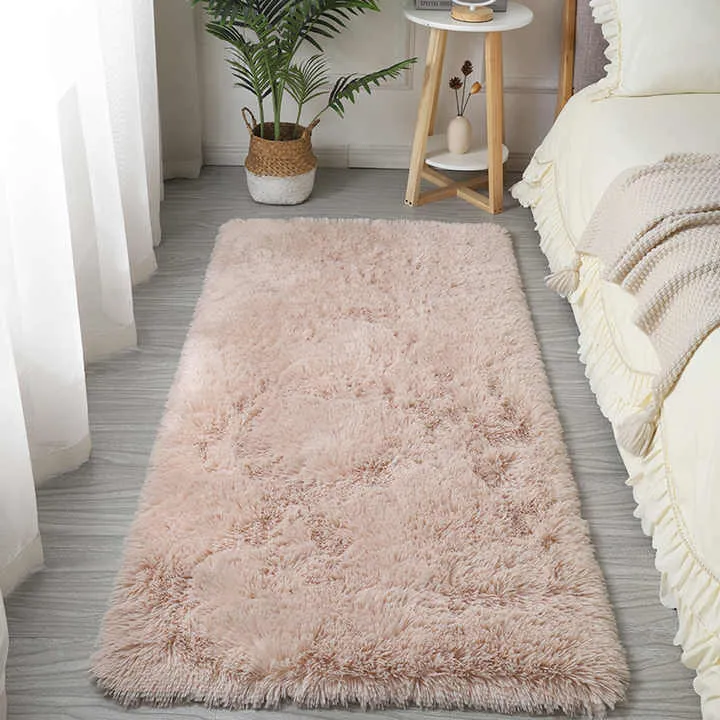
The performance of a fluffy throw rug is assessed through several engineering metrics. Pile height, typically ranging from 25mm to 75mm, directly correlates with perceived softness and luxury. Pile density, measured in ounces per square yard (oz/yd2), affects the rug’s ability to withstand compression and maintain its shape. Tensile strength, assessed according to ASTM D4157, determines the rug’s resistance to tearing. Abrasion resistance, measured using the Taber Abraser (ASTM D3886), indicates the rug’s durability under foot traffic. Colorfastness to light and washing (ASTM D1650 and ASTM D2064) is critical for maintaining aesthetic appearance. Slip resistance is a key safety consideration, often evaluated using the Horizontal Force Tester (ASTM D2047). Environmental resistance includes assessment of resistance to mold and mildew growth, particularly in humid environments. Compliance requirements vary by region, often necessitating adherence to flammability standards (e.g., California Technical Bulletin 117 for residential use) and restrictions on the use of harmful chemicals (e.g., REACH regulations in Europe).
Force analysis during use involves understanding the distribution of loads across the rug surface. Repeated compression from foot traffic can lead to pile deformation and fiber breakdown. Shear forces generated during sliding can cause delamination of the backing material. Proper rug pad selection is essential for mitigating these forces and extending the rug’s lifespan. The engineering of the backing material is also crucial. It must provide sufficient tensile strength and dimensional stability to withstand these stresses without cracking or tearing.
Technical Specifications
| Parameter | Polypropylene | Polyester | Acrylic | Wool |
|---|---|---|---|---|
| Pile Height (mm) | 25-50 | 30-60 | 35-70 | 40-80 |
| Pile Density (oz/yd2) | 800-1200 | 900-1400 | 700-1000 | 1000-1800 |
| Tensile Strength (lbs/inch) | 5-8 | 6-9 | 4-6 | 8-12 |
| Abrasion Resistance (Taber Cycles) | 1000-1500 | 800-1200 | 600-1000 | 2000+ |
| Colorfastness to Light (Rating 1-5) | 4-5 | 4-5 | 3-4 | 4-5 |
| Moisture Absorption (%) | 0.1 | 0.4 | 2.0 | 15-20 |
Failure Mode & Maintenance
Common failure modes in fluffy throw rugs include pile crushing (loss of resilience due to repeated compression), fiber shedding (detachment of fibers from the pile), color fading (degradation of dyes due to UV exposure), delamination (separation of the pile from the backing), and staining. Fatigue cracking can occur in the backing material, particularly under high stress. Oxidation can degrade synthetic fibers over time, leading to brittleness and discoloration. Mold and mildew growth can occur in humid environments, causing discoloration and odor. Preventative maintenance is crucial for extending the rug’s lifespan. Regular vacuuming removes dirt and debris that contribute to abrasion. Prompt stain removal prevents permanent discoloration. Rotation of the rug distributes wear evenly. Professional cleaning every 12-18 months removes embedded dirt and revitalizes the pile. For delamination, re-coating with a latex-based adhesive can provide temporary repair, but complete replacement is often necessary for severe cases. Proper storage in a dry, well-ventilated area minimizes the risk of mold and mildew growth.
Industry FAQ
Q: What is the impact of pile material on the overall lifespan of a fluffy throw rug?
A: The pile material significantly impacts lifespan. Wool generally offers the longest lifespan due to its inherent durability and resilience. However, synthetic fibers like polypropylene and polyester offer good durability at a lower cost. Acrylic, while soft, degrades more quickly. Lifespan is also affected by usage frequency, cleaning practices, and environmental factors.
Q: How does backing material affect the rug’s dimensional stability and resistance to delamination?
A: The backing material is critical. A robust backing, typically polypropylene or a reinforced jute, provides the structural foundation for the rug. Higher backing weight and tighter weave construction contribute to greater dimensional stability and resistance to stretching or shrinking. The adhesive used to bond the pile to the backing also plays a vital role in preventing delamination. Latex adhesives are common, but their performance can degrade over time.
Q: What are the key considerations for selecting a rug pad?
A: A rug pad is essential for protecting both the rug and the floor. It provides cushioning, prevents slippage, and absorbs impact. The pad’s density and thickness should be appropriate for the rug’s pile height and the floor surface. Non-slip pads are crucial for safety, especially on hard surfaces. Consider a felt pad for added cushioning and sound absorption, or a rubber pad for superior grip.
Q: What are the implications of REACH and Proposition 65 regulations for fluffy throw rug manufacturers?
A: REACH (Registration, Evaluation, Authorisation and Restriction of Chemicals) in Europe and Proposition 65 in California impose strict regulations on the use of certain chemicals in consumer products. Manufacturers must ensure that their rugs do not contain restricted substances, such as phthalates, formaldehyde, and heavy metals. Compliance requires rigorous testing and documentation.
Q: How can manufacturers improve the sustainability of fluffy throw rugs?
A: Sustainability can be improved through several strategies. Using recycled fibers, such as recycled polyester or polypropylene, reduces reliance on virgin materials. Employing natural fibers like wool or cotton, sourced responsibly, is another option. Optimizing manufacturing processes to minimize waste and energy consumption is also crucial. Utilizing eco-friendly dyes and adhesives further enhances sustainability.
Conclusion
Fluffy throw rugs represent a complex interplay of material science, textile engineering, and manufacturing precision. The selection of appropriate fibers, coupled with stringent control over production parameters like pile height, density, and backing material strength, fundamentally determines the rug’s performance characteristics – ranging from tactile comfort and aesthetic appeal to durability and longevity. Understanding the potential failure modes, including pile crushing, delamination, and color fading, is critical for informed maintenance and proactive lifespan extension.
Looking forward, innovation within the fluffy throw rug industry will likely focus on enhanced sustainability, improved resilience, and the development of advanced fiber technologies. Meeting increasingly stringent regulatory requirements related to chemical safety and environmental impact will also be a key driver. Furthermore, the integration of smart textile technologies – such as antimicrobial treatments or embedded sensors – could unlock new functionalities and elevate the overall value proposition of these ubiquitous home furnishings.