

fur accent rug Material Science and Performance Analysis
Introduction
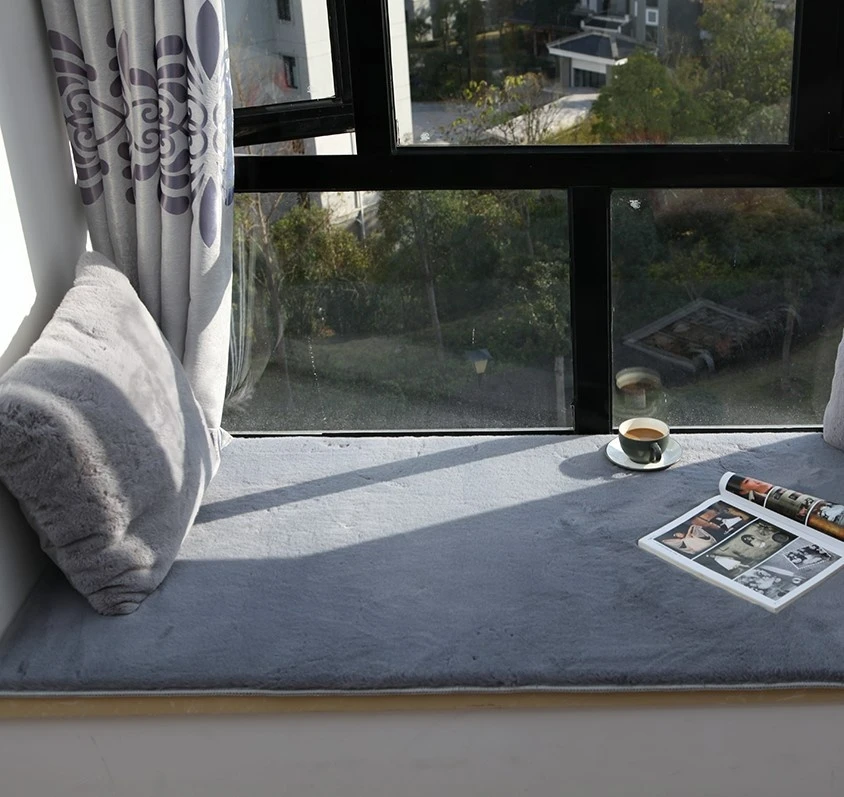
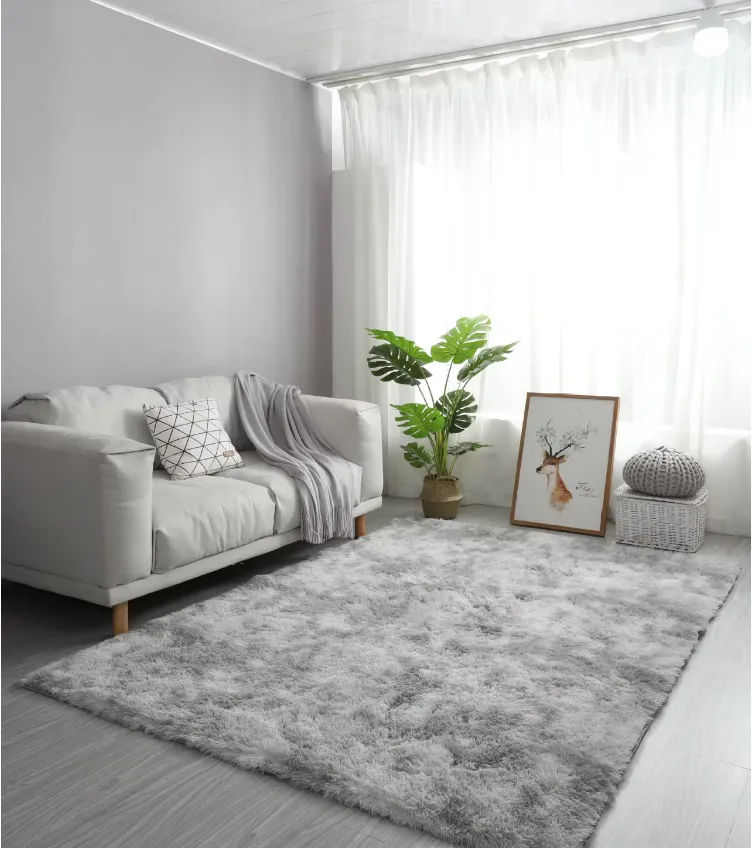
Fur accent rugs represent a distinct segment within the broader textile and floor covering industry, positioned as decorative elements rather than primary floor surfaces. Technically, these rugs consist of a backing material, typically jute, cotton, or synthetic polymers, overlaid with a pile fabricated from either real animal fur or, increasingly, high-performance synthetic fibers designed to mimic the aesthetic and tactile qualities of natural fur. The core performance characteristics revolve around aesthetic appeal, tactile comfort, and thermal insulation, although practical considerations of durability, cleaning, and ethical sourcing are becoming paramount. The market is driven by consumer demand for luxury and textural interest in interior design, demanding a balance between perceived value and practical long-term performance. A significant challenge within the industry lies in consistent quality control across diverse fiber sources and manufacturing processes, impacting the longevity and overall user experience. Understanding the nuances of fur type (if applicable), fiber construction, and backing materials is critical for informed procurement and application.
Material Science & Manufacturing
The materials used in fur accent rugs dictate their properties and manufacturing processes. When utilizing genuine fur, the source animal (e.g., rabbit, sheepskin, mink) directly influences fiber characteristics. Rabbit fur, for example, possesses a relatively short staple length and moderate crimp, resulting in a softer, less durable pile. Sheepskin offers greater durability due to its longer, more robust fibers. Synthetic alternatives, primarily acrylic, polyester, and modacrylic fibers, are engineered to replicate fur’s texture and visual appearance. Polyester is favoured for its resilience and colourfastness, while modacrylic provides a silkier hand. The backing materials – jute (a natural bast fiber), cotton (a natural cellulose fiber), or polypropylene (a synthetic polymer) – contribute to structural integrity and dimensional stability.
Manufacturing processes vary depending on the material. Genuine fur undergoes tanning and dyeing processes to enhance its aesthetic qualities and prevent degradation. The fur is then carefully sheared or combed to achieve the desired pile length and density. Synthetic fur production involves extrusion of polymer fibers followed by cutting and dyeing. Both natural and synthetic fur are typically attached to the backing using adhesive bonding or tufting. Tufting involves inserting the fibers into a pre-woven or non-woven backing material, creating a more durable and densely packed pile. Critical parameters during manufacturing include adhesive strength (for bonding), tuft density (influencing pile height and durability), and dye penetration (ensuring colourfastness). Quality control involves visual inspection for defects, fiber tensile strength testing, and assessment of colourfastness to light and washing. Environmental control during manufacturing is vital; proper ventilation is needed during adhesive application and waste management protocols are essential for both natural and synthetic fiber processing.
Performance & Engineering
The performance of fur accent rugs is assessed based on several engineering principles. Pile height directly impacts tactile comfort and thermal insulation. A higher pile generally provides a more luxurious feel and greater warmth, but may be more susceptible to matting and crushing. Fiber density is critical for durability and resistance to wear. Higher density translates to longer lifespan and better retention of shape. Force analysis considers the compression modulus of the pile, determining its resistance to deformation under load. Environmental resistance is paramount, particularly concerning moisture and UV exposure. Natural fur is susceptible to damage from prolonged moisture exposure, potentially leading to shrinkage, odour, and microbial growth. Synthetic fur exhibits better moisture resistance but may degrade under prolonged UV radiation. Compliance requirements vary by region, often encompassing flammability standards (e.g., California Technical Bulletin 117), VOC emission limits (e.g., CARB Phase 2), and restrictions on the use of certain chemicals (e.g., REACH in Europe). The structural integrity of the rug is also critical, requiring adherence to standards relating to seam strength and backing material durability. The dimensional stability of the rug, its resistance to shrinking or stretching, is dictated by the backing material and the method of attachment.
Technical Specifications
| Parameter | Genuine Rabbit Fur | Synthetic Polyester Fur | Jute-Backed Rug | Polypropylene-Backed Rug |
|---|---|---|---|---|
| Pile Height (mm) | 25-35 | 20-40 | N/A - Structural Component | N/A - Structural Component |
| Fiber Density (grams/m²) | 300-500 | 400-800 | N/A | N/A |
| Tensile Strength (N/mm²) | 5-10 | 20-40 | 30-50 | 50-70 |
| Moisture Absorption (%) | 15-20 | 0.5-1.5 | 12-18 | 0.1-0.5 |
| Colourfastness to Light (Rating 1-5) | 3-4 | 4-5 | N/A | N/A |
| Flammability (Pass/Fail - California TB 117) | Fail (Requires Fire Retardant Treatment) | Pass | Pass | Pass |
Failure Mode & Maintenance
Fur accent rugs are subject to various failure modes. Genuine fur is susceptible to shedding, matting, and degradation due to insect infestation or improper cleaning. Abrasion leads to fiber breakage and pile reduction, especially in high-traffic areas. Moisture absorption can cause shrinkage, odour development, and microbial growth. Synthetic fur, while more durable, can experience pile crushing, fading from UV exposure, and fiber degradation over time. Backing materials are prone to delamination from the pile and wear from friction.
Maintenance is critical to extending the rug’s lifespan. Regular vacuuming with a low-suction attachment is essential to remove dust and debris. Professional cleaning is recommended for genuine fur to prevent damage from harsh chemicals or excessive moisture. Spot cleaning with a mild detergent and water is suitable for synthetic fur, followed by thorough drying. Avoid prolonged exposure to direct sunlight. Rotate the rug periodically to distribute wear evenly. For minor shedding, a fabric brush can help remove loose fibers. In cases of significant delamination, professional re-bonding of the pile to the backing may be necessary. Preventative treatments such as mothproofing for natural fur can significantly increase lifespan. Proper storage in a cool, dry, and well-ventilated area is crucial when the rug is not in use.
Industry FAQ
Q: What are the key differences in durability between a rabbit fur rug and a synthetic acrylic fur rug?
A: Rabbit fur, being a natural fiber, possesses a lower tensile strength and shorter staple length compared to acrylic. This translates to greater susceptibility to shedding, abrasion, and matting. Acrylic fur, engineered for durability, exhibits higher tensile strength, better resilience, and greater resistance to wear, resulting in a significantly longer lifespan under similar usage conditions. However, the tactile feel of rabbit fur is often considered more luxurious.
Q: How does the backing material impact the overall performance and longevity of the rug?
A: The backing material provides structural support and influences dimensional stability. Jute, a natural fiber, is breathable and environmentally friendly but can be susceptible to moisture damage and decay. Polypropylene, a synthetic polymer, offers superior moisture resistance, higher tensile strength, and better resistance to abrasion, leading to a more durable and long-lasting rug. The choice of backing material should align with the intended use environment.
Q: What flammability standards are typically applicable to fur accent rugs, and how are they addressed?
A: Fur accent rugs are commonly subject to flammability standards such as California Technical Bulletin 117, which assesses the ignitability of upholstered furniture. Genuine fur typically fails this standard without treatment. Manufacturers address this by applying fire-retardant chemicals, although this can impact the texture and feel. Synthetic fur generally passes the standard without requiring such treatments.
Q: What are the considerations regarding cleaning and maintenance for genuine fur rugs versus synthetic alternatives?
A: Genuine fur requires professional cleaning to avoid damage from harsh chemicals and excessive moisture. Dry cleaning or specialized fur cleaning services are recommended. Synthetic fur can be spot cleaned with mild detergent and water, but requires thorough drying to prevent mildew. Regular vacuuming with a low-suction attachment is essential for both types.
Q: What VOC emission standards are relevant, and how are they measured for these products?
A: VOC (Volatile Organic Compound) emissions are regulated by standards like CARB Phase 2 (California Air Resources Board). These standards limit the amount of formaldehyde and other harmful VOCs emitted from composite wood products and adhesives used in rug construction, particularly backings. VOC emissions are measured in parts per million (ppm) using gas chromatography-mass spectrometry (GC-MS) in controlled laboratory conditions.
Conclusion
Fur accent rugs, whether crafted from natural or synthetic materials, represent a convergence of aesthetic design and material science. The selection process requires a comprehensive understanding of fiber properties, manufacturing processes, and performance characteristics. Genuine fur provides a luxurious tactile experience, but necessitates careful maintenance and consideration of ethical sourcing. Synthetic alternatives offer enhanced durability, ease of cleaning, and consistent performance. The choice of backing material fundamentally influences structural integrity and resistance to environmental factors.
Moving forward, the industry will likely witness increased demand for sustainable and ethically sourced materials, alongside advancements in synthetic fiber technology aiming to mimic the feel and appearance of natural fur with improved performance. Addressing concerns regarding flammability and VOC emissions will remain critical for ensuring compliance with evolving regulatory standards. Continuous innovation in manufacturing processes and quality control measures will be vital for delivering high-quality, long-lasting fur accent rugs that meet the discerning needs of consumers.