

gray faux rug Performance Analysis
Introduction
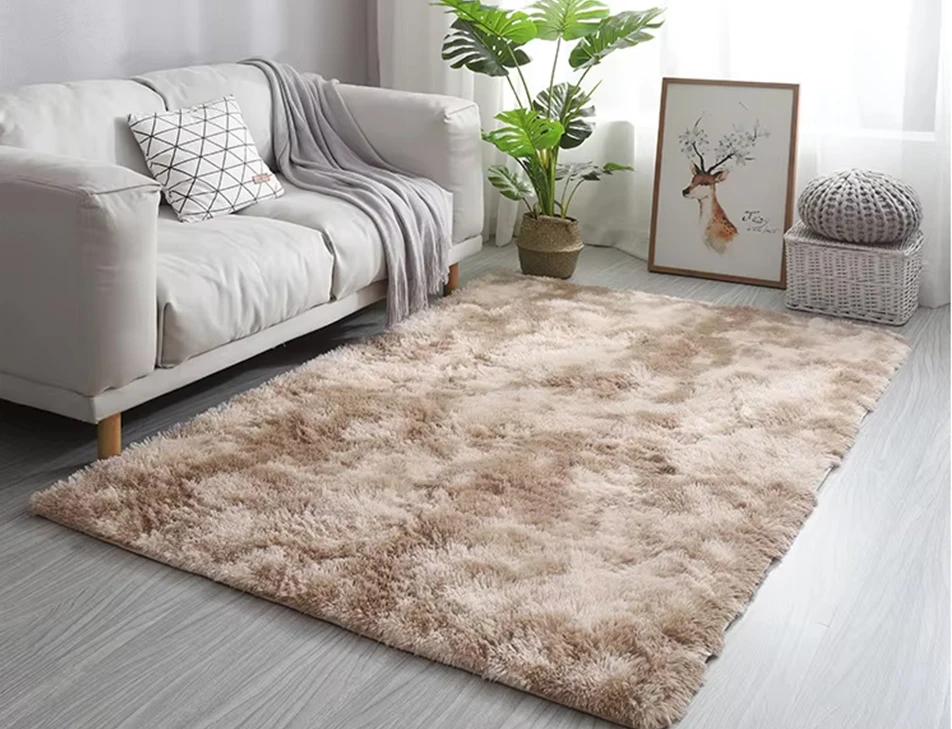
Gray faux rugs represent a significant segment within the broader flooring and home décor industry, positioned as cost-effective and aesthetically versatile alternatives to natural fiber rugs. Comprising synthetic materials engineered to mimic the appearance and texture of wool, silk, or other natural fibers, they serve residential, commercial, and event-based applications. Their technical position is characterized by balancing affordability with performance attributes such as stain resistance, durability, and ease of maintenance. Core performance parameters include pile height, density, fiber composition, and backing material, all of which dictate the rug’s longevity, feel, and suitability for specific environments. The inherent challenges in this market center on achieving a realistic aesthetic, minimizing off-gassing of volatile organic compounds (VOCs), and ensuring long-term colorfastness and structural integrity. Understanding the nuances of polymer science and manufacturing processes is critical for producing a high-quality gray faux rug that meets consumer expectations and industry standards.
Material Science & Manufacturing
The primary raw materials for gray faux rugs are polyolefins, specifically polypropylene (PP) and polyethylene (PE), and to a lesser extent, polyester (PET) and acrylic. Polypropylene is favored due to its inherent stain resistance, cost-effectiveness, and ability to be heat-set for textural definition. Polyethylene offers a softer hand-feel but generally exhibits lower resilience. Polyester provides excellent color retention and is often used in rugs requiring vibrant hues or intricate patterns. Acrylic, while mimicking wool closely in texture, is susceptible to matting and less durable. The ‘gray’ coloration is achieved through masterbatch incorporation of carbon black and various pigment combinations during the polymer extrusion process. Manufacturing typically involves extrusion of the selected polymer into fibers, followed by yarn formation via texturing or twisting. These yarns are then tufted or woven into a backing material, most commonly polypropylene or jute. Tufting involves inserting yarn loops into the backing, which are then sheared to create a cut pile or left looped. Woven rugs employ interlocking warp and weft yarns, resulting in a more durable and complex structure. Parameter control is vital throughout the process: precise temperature regulation during extrusion prevents polymer degradation; consistent yarn denier and twist levels ensure uniform pile density; and accurate gauge control during tufting or weaving maintains dimensional stability. Back coating, often with latex or synthetic rubber, provides additional stability and cushioning.
Performance & Engineering
The performance of a gray faux rug is fundamentally governed by the mechanical properties of its constituent materials. Tensile strength, measured according to ASTM D2256, dictates the rug’s resistance to tearing and abrasion. Pile compression recovery, assessing the rug’s ability to rebound after being subjected to weight, is critical for maintaining its aesthetic appearance and cushioning properties. Colorfastness to light, evaluated using ISO 105-B02, determines the rug’s resistance to fading upon prolonged exposure to ultraviolet radiation. Environmental resistance focuses on moisture absorption (ASTM D570) and stain resistance (AATCC 173), crucial for preventing mold growth and preserving the rug’s appearance in high-traffic areas. Force analysis considers the load-bearing capacity of the backing material and the yarn’s resistance to pull-out. Compliance requirements vary by region but often include VOC emission standards (e.g., CARB Section 93120 for California) and flammability regulations (e.g., NFPA 701 for public spaces). Functional implementation necessitates understanding the intended use case – a high-traffic hallway rug demands significantly greater durability and stain resistance than a decorative accent rug. The rug’s construction (tufted, woven, or knotted) directly impacts its performance characteristics and lifespan.
Technical Specifications
| Parameter | Units | Typical Range (Low-End Rug) | Typical Range (High-End Rug) |
|---|---|---|---|
| Pile Height | mm | 6-10 | 15-25 |
| Pile Density | oz/sq yd | 40-60 | 80-120 |
| Fiber Composition | % | 100% Polypropylene | 100% Polyester/Polypropylene Blend |
| Backing Material | - | Polypropylene | Action Back (Latex/Synthetic Rubber) |
| Tensile Strength | lbs | 50-75 | 100-150 |
| Colorfastness to Light | Rating (1-5) | 3-4 | 4-5 |
Failure Mode & Maintenance
Gray faux rugs are susceptible to several failure modes. Fiber degradation due to ultraviolet (UV) exposure leads to discoloration and brittleness. Prolonged mechanical stress causes pile crushing and matting, reducing cushioning and aesthetic appeal. Delamination of the backing material from the pile fibers results in structural instability and potential unraveling. Stain penetration, even with stain-resistant fibers, can occur with aggressive staining agents or prolonged exposure. Oxidation of polypropylene fibers, particularly in areas exposed to ozone or nitrous oxides, can cause embrittlement. Failure analysis should consider the environmental conditions, usage patterns, and cleaning procedures. Maintenance primarily involves regular vacuuming to remove abrasive particles and prevent fiber damage. Spot cleaning should employ mild detergents and avoid harsh chemicals. Professional deep cleaning, using appropriate extraction methods, is recommended annually. Preventative measures include rotating the rug to distribute wear evenly and using rug pads to provide cushioning and prevent slippage. To mitigate UV damage, avoid prolonged direct sunlight exposure or use UV-blocking window films. Addressing spills promptly and thoroughly minimizes the risk of permanent staining.
Industry FAQ
Q: What is the difference between a tufted and a woven faux rug, and how does this affect durability?
A: Tufted rugs are manufactured by inserting yarns through a primary backing, then securing them with a secondary backing, typically latex. They are generally less expensive but less durable as the tufts can loosen over time. Woven rugs, on the other hand, interlock warp and weft yarns, creating a more structurally sound and resilient construction. Woven rugs offer superior durability and longevity, making them suitable for high-traffic areas, but come at a higher cost.
Q: How do VOC emissions from faux rugs compare to those of natural fiber rugs?
A: Faux rugs, especially those made with certain types of polypropylene or polyester, can potentially emit VOCs, such as formaldehyde, during manufacturing and initial use. However, reputable manufacturers utilize low-VOC materials and processing techniques to minimize emissions. Natural fiber rugs, while generally considered more eco-friendly, can also release organic compounds. Look for certifications like Green Label Plus to ensure low VOC emissions.
Q: What is the best way to clean a gray faux rug to avoid discoloration?
A: Avoid harsh chemicals, bleach, and abrasive cleaners, as these can damage the fibers and cause discoloration. Use a mild detergent diluted in cool water for spot cleaning. For overall cleaning, professional deep cleaning with appropriate extraction methods is recommended. Always test any cleaning solution on an inconspicuous area first to ensure colorfastness.
Q: How does pile height impact the feel and performance of a faux rug?
A: Lower pile heights (6-10mm) offer a flatter, more contemporary look and are easier to clean, making them suitable for high-traffic areas. Higher pile heights (15-25mm) provide a softer, more luxurious feel and offer increased cushioning, but they require more maintenance and are prone to matting. The optimal pile height depends on the intended use and aesthetic preference.
Q: What certifications should I look for when purchasing a gray faux rug to ensure quality and safety?
A: Look for certifications such as Green Label Plus (for low VOC emissions), OEKO-TEX Standard 100 (for absence of harmful substances), and ISO 9001 (for quality management systems). These certifications provide assurance that the rug has been tested for safety, durability, and environmental impact.
Conclusion
Gray faux rugs represent a pragmatic solution within the flooring market, balancing aesthetic appeal with cost-effectiveness and practical performance. Their construction, relying heavily on polyolefin chemistry and precision manufacturing techniques, dictates their durability, stain resistance, and overall lifespan. Understanding the interplay between material properties, manufacturing processes, and performance characteristics is crucial for selecting a rug suitable for a given application.
Moving forward, innovations in polymer technology and manufacturing processes will likely focus on enhancing the realism of faux fibers, reducing VOC emissions, and improving the recyclability of these products. The demand for sustainable and environmentally responsible flooring solutions will drive the development of bio-based polymers and closed-loop manufacturing systems within the faux rug industry.