


grey faux fur sheepskin rug Performance Analysis

Introduction
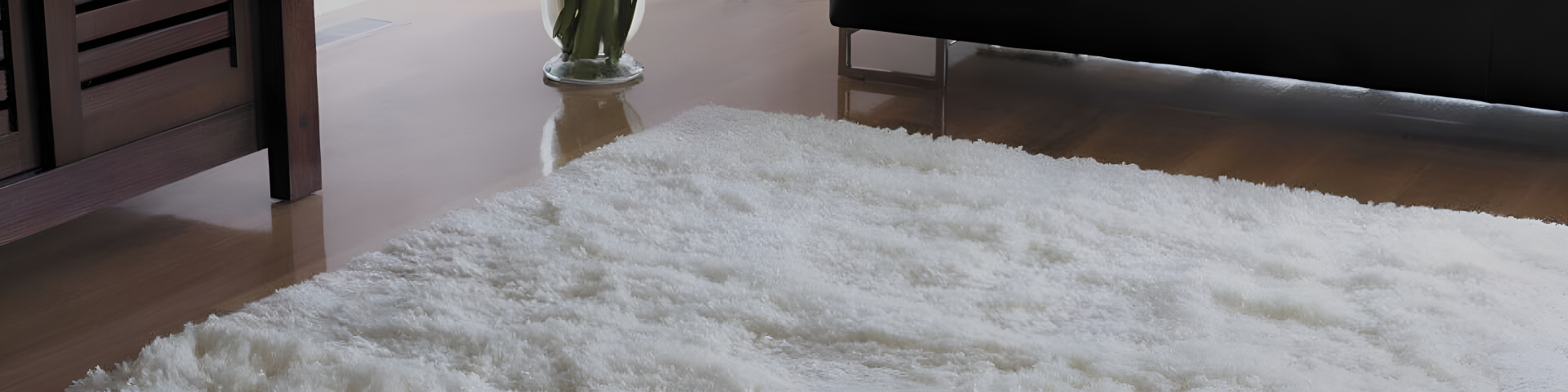
Grey faux fur sheepskin rugs represent a synthetic alternative to natural sheepskin, utilized primarily for decorative and comfort applications in residential and commercial settings. This technical guide details the material composition, manufacturing processes, performance characteristics, potential failure modes, and relevant industry standards associated with these rugs. Positioned within the broader textile and floor coverings industry, faux fur sheepskin rugs provide a cost-effective and ethically sourced alternative, appealing to consumers seeking the aesthetic and tactile qualities of genuine sheepskin without the associated animal welfare concerns. Core performance characteristics include pile height, density, durability, and resistance to shedding, all critical factors influencing consumer satisfaction and product longevity. The primary challenge for manufacturers lies in achieving a realistic texture and appearance while maintaining consistent quality and minimizing environmental impact.
Material Science & Manufacturing
The foundational material for grey faux fur sheepskin rugs is typically 100% polyester, though acrylic fibers are also used, particularly in lower-cost variants. Polyester is chosen for its inherent durability, resistance to abrasion, ease of dyeing, and relatively low cost. The manufacturing process begins with the production of polyester filaments via polymerization of ethylene glycol and terephthalic acid. These filaments are then extruded and crimped to create the base fiber. The 'sheepskin' effect is achieved through a specialized knitting or weaving process that creates a dense pile. This pile is then ‘cut’ to a specific length, typically ranging from 20mm to 60mm, determining the rug’s overall thickness and tactile feel. Crucially, the density of the pile – measured in grams per square meter (GSM) – directly impacts the rug’s durability and perceived quality. A higher GSM indicates a denser, more resilient pile. A backing material, usually a non-woven polypropylene fabric with a latex or PVC coating, provides structural integrity and prevents slippage. Parameter control during fiber extrusion is paramount, ensuring consistent denier (fiber thickness) and uniformity to achieve a consistent texture. Dyeing processes typically employ reactive dyes for polyester, requiring precise temperature and pH control to achieve consistent color and prevent fading. Proper heat setting after dyeing is critical to lock in the dye and stabilize the fibers.
Performance & Engineering
The performance of a grey faux fur sheepskin rug is governed by several engineering principles. Pile compression resistance is a key factor determining longevity; repeated foot traffic causes the fibers to flatten, reducing the rug’s aesthetic appeal and comfort. This is directly related to the fiber denier, GSM, and the type of backing used. Force analysis reveals that the distribution of weight across the pile is critical - a high-density pile distributes weight more evenly, minimizing compression. Environmental resistance is another crucial aspect. Polyester exhibits good resistance to UV degradation compared to some natural fibers, but prolonged exposure to direct sunlight can still cause fading. Flame retardancy is often achieved through chemical treatments, complying with standards like California Proposition 65. Compliance requirements vary by region, focusing on VOC emissions (Volatile Organic Compounds) and the absence of harmful substances like phthalates. The structural integrity relies on the bonding between the pile and the backing material. Peel strength tests are used to quantify this bond; lower peel strength indicates a higher risk of delamination. Furthermore, the rug’s weight and dimensions influence its handling characteristics and ease of cleaning. Static electricity build-up is a common issue with synthetic fibers, addressed through the incorporation of anti-static treatments.
Technical Specifications
| Parameter | Unit | Typical Value (Range) | Test Method |
|---|---|---|---|
| Pile Height | mm | 20-60 | ASTM D388 |
| Pile Density (GSM) | g/m² | 800-2000 | ISO 307 |
| Fiber Composition | % | 100% Polyester (or Polyester/Acrylic Blend) | FTIR Spectroscopy |
| Backing Material | - | Non-woven Polypropylene with Latex/PVC Coating | Visual Inspection |
| Colorfastness to Light | Grade (1-5) | 4-5 | ISO 105-B02 |
| Peel Strength (Pile to Backing) | N/50mm | >10 | ASTM D4597 |
Failure Mode & Maintenance
Grey faux fur sheepskin rugs are susceptible to several failure modes. The most common is pile flattening and matting due to prolonged compression. This is exacerbated by heavy foot traffic and improper cleaning. Fiber shedding is another frequent issue, particularly in lower-quality rugs with loosely anchored fibers. Delamination of the pile from the backing is a critical failure, often caused by degradation of the adhesive or mechanical stress. UV degradation can lead to fading and embrittlement of the fibers. Oxidation, while slower in polyester than in natural fibers, can still occur, causing discoloration and loss of softness. Maintenance is crucial for extending the rug’s lifespan. Regular vacuuming (using a brush attachment) removes loose debris and prevents matting. Spot cleaning with a mild detergent and water is recommended for spills. Avoid harsh chemicals and excessive moisture, which can damage the fibers and backing. Professional cleaning is advisable every 12-18 months. To mitigate pile flattening, rotate the rug regularly to distribute wear evenly. Storing the rug in a cool, dry place, away from direct sunlight, minimizes UV degradation. Proper preventative measures significantly extend the operational life of the rug, delaying the onset of these failure modes.
Industry FAQ
Q: What is the impact of different pile heights on the durability of a faux fur sheepskin rug?
A: Generally, a lower pile height (20-30mm) exhibits greater durability under heavy foot traffic because the fibers are less prone to bending and matting. Higher pile heights (40-60mm) offer superior comfort and aesthetic appeal but require more frequent maintenance to prevent flattening and may exhibit a shorter lifespan in high-traffic areas.
Q: How does the backing material affect the overall performance and longevity of the rug?
A: The backing material provides crucial structural support. Latex coatings offer good initial adhesion but can degrade over time, leading to delamination. PVC coatings are more durable but may contain plasticizers that can migrate and affect the rug’s flexibility. A high-quality, non-woven polypropylene backing with a robust adhesive bond is essential for longevity.
Q: What are the common methods for assessing the flammability of faux fur sheepskin rugs and what standards apply?
A: Flammability is typically assessed using tests like the DOC FF1-70 (pill test) and ASTM D2859. Compliance with standards like California Proposition 65 (relating to flame retardant chemicals) is critical for sale in certain regions. Many manufacturers apply flame-retardant treatments to meet these standards.
Q: How does the GSM (grams per square meter) relate to the quality and lifespan of the rug?
A: A higher GSM indicates a denser pile, resulting in a more durable and luxurious feel. Rugs with a GSM above 1200 g/m² generally offer superior performance and longevity compared to those with lower GSM values. Higher GSM also translates to better resilience and recovery after compression.
Q: What are the environmental considerations associated with polyester faux fur rugs, and are there more sustainable alternatives?
A: Polyester is derived from petroleum, a non-renewable resource. While polyester is recyclable, the recycling infrastructure is not universally available. Sustainable alternatives include rugs made from recycled polyester fibers or those utilizing bio-based polyester derived from plant sources, though these options often come at a higher cost.
Conclusion
Grey faux fur sheepskin rugs represent a practical and aesthetically pleasing flooring solution, offering a balance between luxury, affordability, and ethical sourcing. The performance and longevity of these rugs are intrinsically linked to the quality of materials, precision of manufacturing processes, and adherence to relevant industry standards. Careful consideration of parameters like pile height, GSM, backing material, and fiber composition is crucial for selecting a rug that meets specific performance requirements.
Future developments in this field will likely focus on enhancing sustainability through the use of recycled and bio-based materials, improving the durability of pile fibers, and developing more effective flame-retardant treatments. Continued research into fiber technology and manufacturing techniques will be essential for pushing the boundaries of performance and consumer satisfaction within this segment of the textile industry.