

grey faux rug Performance Analysis
Introduction
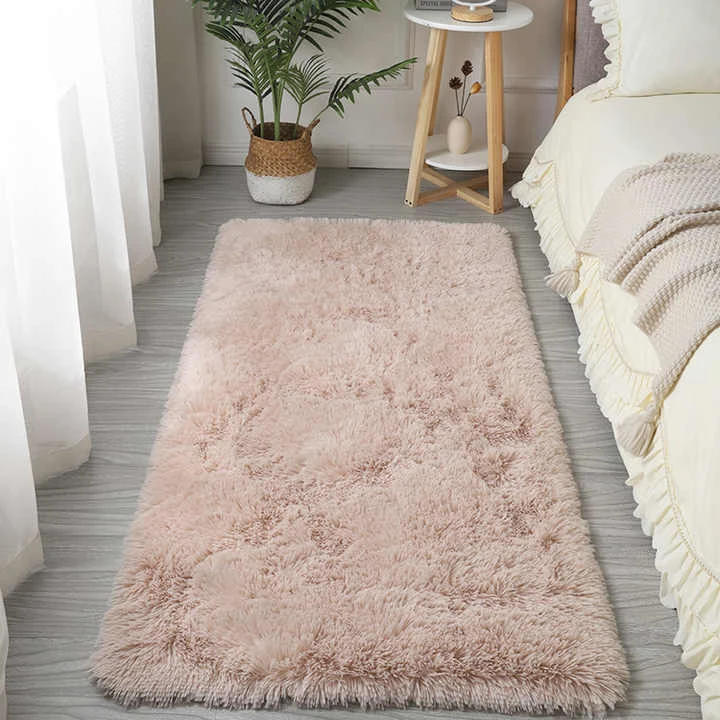
Grey faux rugs represent a significant segment within the broader floor covering market, offering an aesthetically versatile and cost-effective alternative to natural fiber rugs. These rugs are constructed from synthetic materials engineered to mimic the appearance and, to a degree, the tactile properties of wool, silk, or other natural fibers. Technically, they fall under the category of textile floor coverings, demanding adherence to standards related to flammability, wear resistance, and chemical emissions. Their industrial positioning is as a mass-market product, serving residential and light commercial applications. Core performance characteristics are focused on visual appeal, durability against moderate foot traffic, ease of cleaning, and resistance to staining – critical factors driving consumer purchasing decisions. The industry currently faces pressures to improve the sustainability profile of these products, moving beyond traditional petroleum-based synthetics toward recycled or bio-based alternatives.
Material Science & Manufacturing
The primary material composing grey faux rugs is typically polypropylene (PP), polyester (PET), or acrylic. Polypropylene offers exceptional stain resistance and affordability, but its UV stability is limited, potentially leading to fading in direct sunlight. Polyester provides better UV resistance and a softer texture, although it is generally less durable than polypropylene. Acrylic provides a wool-like feel and is readily dyed to achieve a wide range of grey shades, but it is susceptible to pilling. Manufacturing begins with the production of polymer fibers through extrusion. These fibers are then heat-set to create curl and bulk, critical for achieving a plush pile. The rug is constructed via several methods: tufting, where fibers are inserted into a primary backing; weaving, a more traditional process producing a dense, durable pile; or needle punching, suitable for producing lower-cost, non-shedding rugs. Key parameter control involves precise regulation of fiber denier (thickness), pile height, and density. The primary backing, typically polypropylene or jute, is coated with a latex adhesive to secure the fibers. A secondary backing, often felt or foam, is applied for cushioning and stability. Dyeing is usually conducted at the fiber stage, using solution dyeing for superior colorfastness. The finished rug undergoes quality control checks for pile uniformity, color consistency, and dimensional accuracy.

Performance & Engineering
The performance of a grey faux rug is largely dictated by its construction and the properties of its constituent materials. Force analysis considers factors such as pile compression, tensile strength of the fibers, and the shear strength of the adhesive bonding the pile to the backing. Environmental resistance is a critical concern. Polypropylene and polyester are inherently resistant to moisture and mildew, making them suitable for use in bathrooms and kitchens. However, prolonged exposure to direct sunlight can degrade the fibers, particularly polypropylene, leading to discoloration and embrittlement. Flammability is a key compliance requirement. Faux rugs are typically treated with fire retardants to meet standards such as NFPA 701, ensuring limited flame spread and smoke development. Wear resistance is quantified by the Taber abrasion test, which measures the rug’s ability to withstand repetitive rubbing. Dimensional stability is crucial to prevent buckling or shrinkage. This is assessed through washing and drying cycles. The structural integrity of the rug is also affected by the backing material; jute, while cost-effective, is prone to moisture absorption and subsequent deterioration. Engineered backing materials provide superior long-term performance.
Technical Specifications
| Parameter | Polypropylene (PP) | Polyester (PET) | Acrylic | Units |
|---|---|---|---|---|
| Pile Height | 0.4 - 1.2 | 0.5 - 1.5 | 0.6 - 1.0 | inches |
| Pile Density | 400 - 800 | 600 - 1200 | 500 - 900 | grams/m² |
| Tensile Strength (Fiber) | 30 - 50 | 50 - 70 | 40 - 60 | cN/tex |
| Abrasion Resistance (Taber) | 150 - 300 | 200 - 400 | 100 - 250 | cycles |
| Water Absorption | <0.1 | <0.5 | 1-2 | % |
| Flammability (Flame Spread) | <20 | <20 | <20 | inches |
Failure Mode & Maintenance
Grey faux rugs are susceptible to several failure modes. Delamination, the separation of the pile from the backing, is a common issue, often caused by adhesive failure due to prolonged moisture exposure or mechanical stress. Fiber degradation, particularly in polypropylene rugs, can occur from UV exposure, leading to fading and brittleness. Pilling, the formation of small fiber balls on the surface, is prevalent in acrylic rugs due to loose fiber ends. Crushing of the pile, resulting in a flattened appearance, occurs under sustained pressure from furniture or heavy foot traffic. Staining, while generally resistant, can occur with oil-based substances or certain dyes. Maintenance is crucial to prolonging the life of the rug. Regular vacuuming removes dirt and debris that can abrade the fibers. Spot cleaning with a mild detergent and water is recommended for spills. Avoid harsh chemicals or abrasive cleaners. Professional cleaning, using hot water extraction, is advisable every 12-18 months to deep clean the fibers and remove embedded dirt. To mitigate UV damage, avoid direct sunlight exposure or use curtains/blinds. Rotating the rug periodically can distribute wear evenly, minimizing crushing and discoloration. Inspect the backing regularly for signs of deterioration and address any issues promptly.
Industry FAQ
Q: What is the primary difference in durability between a polypropylene and a polyester faux rug?
A: Polypropylene generally exhibits higher abrasion resistance and is less prone to crushing under pressure, making it more suitable for high-traffic areas. Polyester, while softer, is more susceptible to wear and flattening, but offers superior UV resistance and color retention.
Q: How does the backing material impact the longevity of a faux rug?
A: The backing material is crucial. Jute is cost-effective but degrades with moisture, leading to delamination. Polypropylene backings offer better moisture resistance. Foam or felt backings provide cushioning but can compress over time. Engineered backings with multi-layer construction offer the best long-term performance.
Q: What flammability standards are typically met by grey faux rugs?
A: Most grey faux rugs are treated to meet or exceed standards like NFPA 701 (flame propagation and smoke development) and California Technical Bulletin 117 (flammability of upholstered furniture). These standards ensure a degree of fire safety for residential applications.
Q: Is solution dyeing preferable for faux rug fibers, and why?
A: Yes. Solution dyeing, where the color is incorporated into the polymer melt before fiber formation, provides significantly better colorfastness than piece dyeing (dyeing the finished yarn). This results in a rug that is more resistant to fading from sunlight or cleaning agents.
Q: What are the environmental concerns associated with faux rugs, and what are manufacturers doing to address them?
A: The primary environmental concern is the use of petroleum-based polymers. Manufacturers are increasingly exploring recycled polyester (rPET) made from plastic bottles and bio-based polymers derived from renewable resources, such as corn starch, to reduce the carbon footprint and promote circularity.
Conclusion
Grey faux rugs represent a complex interplay of materials science, manufacturing processes, and performance engineering. Their widespread adoption is driven by their cost-effectiveness, aesthetic versatility, and ease of maintenance. However, understanding the inherent limitations of the materials – particularly concerning UV degradation, delamination, and flammability – is essential for informed procurement and effective long-term care.
The industry is actively evolving, with a growing focus on sustainability and the development of more durable, environmentally friendly materials and construction techniques. Future advancements will likely involve the increased use of recycled and bio-based polymers, improved backing technologies, and enhanced surface treatments to mitigate common failure modes, ultimately extending the lifespan and reducing the environmental impact of these ubiquitous floor coverings.