

grey rabbit fur rug Performance and Engineering
Introduction
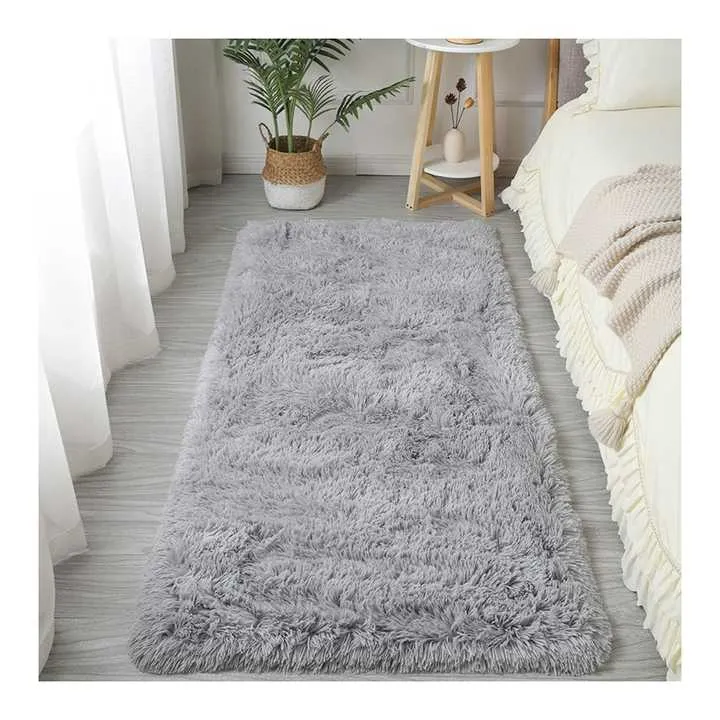
Grey rabbit fur rugs represent a niche segment within the broader decorative textile industry, positioned as a luxury floor covering distinguished by its softness, warmth, and aesthetic appeal. Unlike mass-produced synthetic rugs, genuine rabbit fur relies on agricultural byproduct, requiring specific processing and tanning methods. Its position in the value chain starts with rabbit farming (often for meat production where fur is a secondary product), transitions through pelt processing (tanning, dyeing, shearing), and concludes with rug manufacturing involving stitching, backing, and finishing. Core performance characteristics center around thermal insulation (high R-value), tactile comfort, visual texture, and, critically, durability against abrasion and environmental factors. The market demand is primarily driven by high-end residential and hospitality sectors, seeking unique and luxurious interior design elements. The rising concern for ethical sourcing and animal welfare is a significant industry pain point, demanding stringent traceability and responsible production practices.
Material Science & Manufacturing
The primary material, rabbit pelt, is composed of approximately 85-90% protein (keratin) with the remainder comprising lipids, moisture, and trace elements. The fiber structure of rabbit fur is characterized by fine, dense underfur providing insulation, and longer guard hairs contributing to shape and resilience. Manufacturing begins with pelt harvesting and curing, typically involving salting or drying to prevent decomposition. Tanning is crucial, traditionally using chromium tanning for its efficiency and durability, though vegetable tanning is gaining favor for environmental reasons. This process stabilizes the protein structure, preventing decay and improving texture. Dyeing utilizes acid dyes, carefully selected for colorfastness and minimal impact on fur softness. Shearing follows, adjusting pile height and uniformity. Rug construction typically involves stitching pelts together – often a ‘patchwork’ approach - onto a backing material (jute, cotton, or synthetic fabrics). Key parameter control includes tanning agent concentration (pH control is vital), dye bath temperature and duration (influencing color penetration and fiber damage), and stitching density (affecting structural integrity). Moisture content throughout the process must be monitored to prevent shrinkage and maintain suppleness. The quality of the initial pelt – fiber density, length, and absence of blemishes – fundamentally determines the final product's quality.
Performance & Engineering
Performance assessment of grey rabbit fur rugs necessitates analysis of several key properties. Thermal resistance, measured as R-value, is exceptionally high due to the insulating air pockets within the fur fibers – typically exceeding 2.0 R-value per inch. Abrasion resistance, while inherently limited compared to synthetic fibers, can be improved through careful tanning and backing material selection. Force analysis reveals that fur’s tensile strength is relatively low in individual fibers, but the dense pile provides significant collective resistance to deformation. Environmental resistance is a significant concern. Prolonged exposure to direct sunlight can cause fading and fiber degradation (UV sensitivity). Moisture absorption poses a risk of mildew growth and odor development, necessitating proper ventilation and cleaning procedures. Compliance requirements center around flammability standards (meeting national fire safety regulations for textiles), and increasingly, chemical restrictions (REACH compliance regarding dye and tanning agent residues). Functional implementation relies on proper rug backing. A robust, non-slip backing is crucial for safety and preventing movement. Pile height influences both comfort and cleaning ease, with longer piles providing greater softness but requiring more maintenance.
Technical Specifications
| Parameter | Unit | Typical Value (Grey Rabbit Fur) | Testing Standard |
|---|---|---|---|
| Pile Height | mm | 30-50 | ASTM D388 |
| Fiber Density | fibers/cm² | 8,000 - 12,000 | Visual Inspection & Microscopic Analysis |
| Thermal Resistance (R-value) | (m²⋅K)/W | 2.0 - 2.5 per inch | ASTM C518 |
| Moisture Regain | % | 12-18 | ASTM D249 |
| Abrasion Resistance (Taber Abraser) | cycles to wear | 100-300 | ASTM D3886 |
| Colorfastness to Light | Grey Scale Rating | 4-5 | ISO 105-B02 |
Failure Mode & Maintenance
Grey rabbit fur rugs are susceptible to several failure modes. Fatigue cracking occurs with repeated compression and stress, particularly along stitching lines or areas of high foot traffic. Delamination of the fur from the backing material is a common issue, especially with inadequate adhesive bonding. Degradation of the fur fibers can result from UV exposure, leading to brittleness and color fading. Oxidation of the tanning agents over time can cause odor development and structural weakening. Moth infestation is a significant risk, requiring preventative measures. Maintenance protocols are critical for longevity. Regular vacuuming with a brush attachment is essential to remove dust and debris without damaging the fibers. Professional dry cleaning is recommended for deep cleaning, avoiding harsh detergents or excessive moisture. Spot cleaning should be done with a specialized fur cleaner. Preventative measures include storing the rug in a cool, dark, and dry environment during prolonged periods of disuse, and applying mothproofing treatments. Prompt attention to spills is crucial to prevent staining and odor retention. Avoid prolonged direct sunlight exposure.
Industry FAQ
Q: What is the difference between chrome-tanned and vegetable-tanned rabbit fur, and how does this impact rug performance?
A: Chrome tanning is faster and produces a softer, more pliable pelt with superior resistance to shrinkage. However, it utilizes chromium salts, raising environmental concerns. Vegetable tanning uses natural tannins derived from plants and is considered more eco-friendly. Vegetable-tanned fur is typically firmer, less stretchy, and potentially more prone to shrinkage if exposed to moisture, though it’s perceived as a more ‘natural’ product. Rugs made from vegetable-tanned fur may exhibit slightly different texture and require more careful maintenance.
Q: How does the backing material affect the overall durability and performance of a rabbit fur rug?
A: The backing material provides structural support and prevents delamination. Jute is a natural, breathable option but is susceptible to moisture damage and rot. Cotton offers better durability and moisture resistance but can shrink. Synthetic backings (polypropylene, polyester) provide the highest level of durability, water resistance, and dimensional stability, but may reduce breathability. The quality of the adhesive used to bond the fur to the backing is equally crucial.
Q: What are the key considerations regarding ethical sourcing of rabbit fur?
A: Ethical sourcing revolves around ensuring humane treatment of rabbits during farming and harvesting. This includes adherence to animal welfare standards, traceability of the fur to its origin, and avoidance of practices like fur farming in areas with poor animal welfare regulations. Certifications like the Responsible Down Standard (RDS), while not specifically for rabbit fur, provide a framework for traceability and responsible sourcing that can be adapted. Transparency in the supply chain is vital.
Q: What is the recommended cleaning frequency and method for a grey rabbit fur rug?
A: Regular vacuuming (2-3 times per week) with a brush attachment is essential to remove dust and dirt. Professional dry cleaning is recommended annually or as needed for deeper cleaning. Avoid using water or harsh detergents. Spot cleaning should be done immediately with a fur-specific cleaner, blotting gently and avoiding rubbing. Regular shaking outdoors can also help to freshen the rug.
Q: How can I minimize the risk of moth damage to my rabbit fur rug?
A: Moths are attracted to protein-based fibers like rabbit fur. Preventative measures include storing the rug in airtight containers or garment bags during off-season, using mothballs or cedar chips as repellents (ensuring proper ventilation), and regularly vacuuming to remove moth larvae and eggs. Treating the rug with a mothproofing spray can also provide additional protection.
Conclusion
Grey rabbit fur rugs, while representing a premium flooring option, demand a thorough understanding of their material properties, manufacturing processes, and potential failure modes. Their inherent softness and thermal insulation are offset by vulnerabilities to environmental factors, abrasion, and biological degradation. Successful implementation requires careful attention to sourcing, tanning methods, rug construction, and consistent maintenance. The ethical considerations surrounding fur sourcing are paramount and increasingly influence consumer purchasing decisions.
Looking ahead, innovation in tanning technologies – focusing on environmentally friendly alternatives to chromium – and backing materials with improved durability and moisture resistance will be crucial for enhancing the longevity and sustainability of these products. Further research into preventative treatments against moth infestation and UV degradation is also warranted. The industry’s future hinges on balancing luxury and aesthetic appeal with responsible sourcing and durable performance.