


hmc luxe faux fur rug Material and Manufacturing Analysis
Introduction
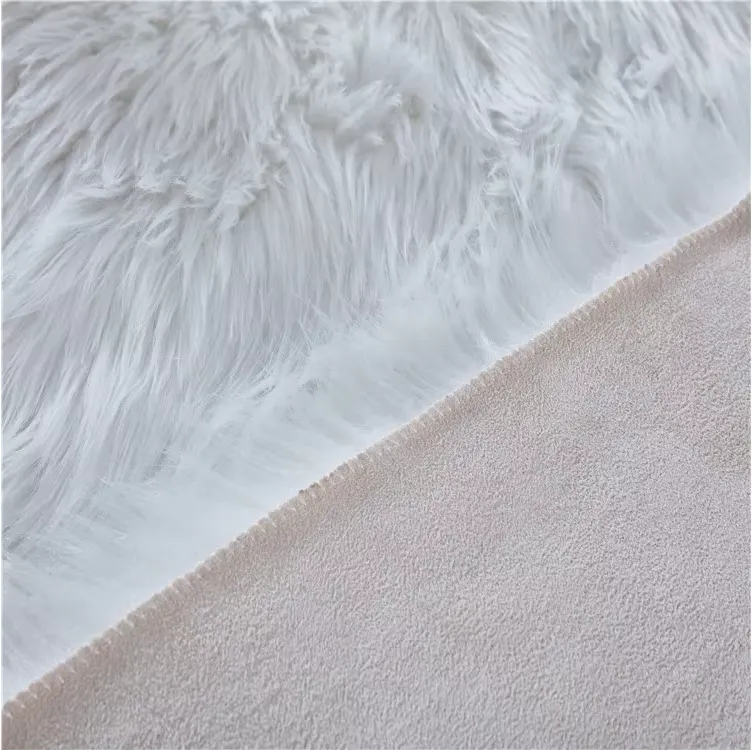
The HMC Luxe Faux Fur Rug represents a significant advancement in the synthetic floor covering market, positioned as a premium alternative to natural animal hides and traditional textiles. This product is characterized by its high-density pile, designed to mimic the softness and aesthetic appeal of genuine fur while offering enhanced durability, ease of maintenance, and ethical sourcing. Within the home furnishings supply chain, the HMC Luxe rug serves as a finished good, directly targeting the consumer market through retail channels. Core performance characteristics center around tactile comfort, visual appeal, stain resistance, and longevity, representing a convergence of textile engineering and aesthetic design. This guide will provide a detailed analysis of the materials, manufacturing processes, performance attributes, potential failure modes, and relevant industry standards governing the HMC Luxe Faux Fur Rug.
Material Science & Manufacturing
The HMC Luxe Faux Fur Rug's construction primarily utilizes a two-component system: a base layer and a pile layer. The base layer typically comprises a 100% polypropylene (PP) woven or non-woven fabric, chosen for its cost-effectiveness, inherent moisture resistance, and dimensional stability. Polypropylene’s semi-crystalline structure provides a balance of tensile strength and flexibility. The pile layer is constructed from modified acrylic fibers, specifically a blend of high-bulk acrylic and micro-denier acrylic. The bulk acrylic contributes to the rug's plushness, while the micro-denier fibers create a softer, more realistic texture. Manufacturing involves several key steps. Initially, the polypropylene base fabric is produced through either weaving (offering greater durability but higher cost) or needle-punching (lower cost, sufficient for residential use). The acrylic fibers undergo a crimping process to enhance bulk and resilience. These crimped fibers are then tufted into the polypropylene base fabric using a specialized tufting machine. Pile density is a crucial parameter, typically ranging from 800 to 1500 grams per square meter. Following tufting, a latex coating is applied to the base fabric to secure the tufts and provide additional structural integrity. Finally, the rug undergoes a shearing process to achieve the desired pile height and a consistent surface appearance. Quality control at each stage is paramount, with specific attention paid to fiber blend consistency, tuft density uniformity, and latex adhesion strength. The dyeing process utilizes solution dyeing, ensuring colorfastness and resistance to fading. Chemical compatibility of the dyes with the acrylic fibers is critical to prevent discoloration or degradation over time.

Performance & Engineering
The performance of the HMC Luxe Faux Fur Rug is governed by several engineering principles. The rug's resilience is directly related to the acrylic fiber's crimp recovery and the density of the pile. Force analysis demonstrates that the acrylic fibers undergo significant bending stress under load, and their ability to return to their original shape dictates the rug’s ability to resist compression set. Environmental resistance is a key consideration. Acrylic fibers exhibit good resistance to UV radiation, minimizing fading upon prolonged exposure to sunlight. However, they are susceptible to degradation from prolonged exposure to high temperatures. The rug's stain resistance is derived from the inherent hydrophobic properties of acrylic and the application of a fluorocarbon-based stain repellent finish. This finish creates a barrier that prevents liquids from penetrating the fiber structure. Compliance requirements depend on the target market. In the US, the rug must meet flammability standards outlined in 16 CFR Part 1610. In Europe, it must comply with EN 13501-1 fire safety standards. The rug's backing contributes to slip resistance, with a non-slip backing option available to further enhance safety. The overall design aims to balance aesthetic appeal with functional performance, providing a comfortable and durable floor covering solution.
Technical Specifications
| Parameter | Unit | Specification | Test Method |
|---|---|---|---|
| Pile Height | mm | 40-50 | ASTM D3654 |
| Pile Density | g/m² | 800-1500 | ASTM D1569 |
| Fiber Composition | % | Acrylic (80%), Polypropylene (20%) | FTIR Spectroscopy |
| Tensile Strength (Base Fabric) | N/cm | >200 (warp & weft) | ASTM D1682 |
| Colorfastness to Light | Rating | ≥ 6 (Grey Scale) | ISO 105-B02 |
| Flammability (Pile) | mm/s | < 120 (Flame Spread) | 16 CFR Part 1610 |
Failure Mode & Maintenance
The HMC Luxe Faux Fur Rug is susceptible to several failure modes. Fatigue cracking can occur in the acrylic fibers due to repeated compression and flexing, especially in high-traffic areas. Delamination, or separation of the pile from the base fabric, is a common failure mechanism resulting from inadequate latex adhesion or prolonged exposure to moisture. Oxidation of the acrylic fibers can lead to discoloration and reduced resilience over time, particularly in environments with high ozone levels. Shedding of fibers is an inherent characteristic of acrylic rugs, particularly during the initial use period, but excessive shedding can indicate fiber degradation or poor tufting quality. Maintenance is crucial to prolong the rug's lifespan. Regular vacuuming (at least twice weekly) removes dirt and debris that can abrade the fibers. Spot cleaning with a mild detergent and water is recommended for spills; harsh chemicals should be avoided as they can damage the acrylic fibers. Professional cleaning is recommended annually to restore the rug’s pile and remove embedded dirt. Avoid direct sunlight exposure to minimize fading. For significant stains or damage, professional rug repair services are advised. Proper underlayment use can significantly reduce wear and tear by providing cushioning and preventing slippage. Addressing spills promptly and consistent vacuuming will minimize wear and tear.
Industry FAQ
Q: What is the difference between the acrylic fibers used in the HMC Luxe rug compared to other faux fur rugs?
A: The HMC Luxe rug utilizes a blend of high-bulk and micro-denier acrylic fibers. The high-bulk acrylic provides the necessary loft and plushness, while the inclusion of micro-denier fibers significantly enhances the softness and realism of the texture, exceeding the quality found in many standard faux fur rugs that rely solely on coarser acrylic fibers.
Q: How does the latex backing contribute to the rug’s durability and longevity?
A: The latex backing serves as a critical adhesive layer, firmly securing the tufted acrylic fibers to the polypropylene base fabric. A high-quality latex formulation ensures strong adhesion, preventing pile shedding and delamination. It also provides structural stability, resisting stretching and warping over time, and contributing to the rug's overall dimensional stability.
Q: What flammability standards does this rug meet, and what are the implications for safety?
A: The HMC Luxe Faux Fur Rug meets the flammability requirements of 16 CFR Part 1610 in the US and EN 13501-1 in Europe. These standards limit the rug's flame spread and smoke development, minimizing fire hazards in residential environments. Compliance ensures that the rug will not readily ignite and will extinguish relatively quickly in the event of a fire.
Q: What stain repellency treatment is used, and how effective is it against common household spills?
A: A fluorocarbon-based stain repellent finish is applied to the acrylic fibers. This creates a hydrophobic barrier, preventing liquids like coffee, wine, and juice from penetrating the fiber structure. While highly effective, it's not foolproof; prompt cleaning is still recommended for spills to prevent staining and ensure the longevity of the stain resistance.
Q: What is the expected lifespan of the HMC Luxe rug with normal household use and proper maintenance?
A: With normal household use and adherence to recommended maintenance practices (regular vacuuming, prompt spill cleaning, annual professional cleaning), the HMC Luxe Faux Fur Rug is expected to maintain its aesthetic appeal and structural integrity for 5-7 years. However, lifespan can vary based on traffic levels and environmental conditions.
Conclusion
The HMC Luxe Faux Fur Rug represents a sophisticated blend of material science and manufacturing expertise, delivering a high-performance floor covering solution. Its carefully selected materials—polypropylene and acrylic—coupled with a robust manufacturing process, results in a product that excels in comfort, durability, and aesthetic appeal. The rug’s performance characteristics, validated by industry-standard testing, demonstrate its compliance with relevant safety and quality regulations.
Future developments may focus on incorporating recycled materials into the rug’s construction to enhance its sustainability profile. Research into bio-based acrylic alternatives could further reduce its environmental footprint. Continued refinement of the stain repellent finish and exploration of enhanced UV protection technologies will ensure the HMC Luxe Faux Fur Rug remains a leading choice in the premium synthetic rug market, offering consumers a luxurious and long-lasting product.