

ivory faux sheepskin area rug Technical Analysis
Introduction
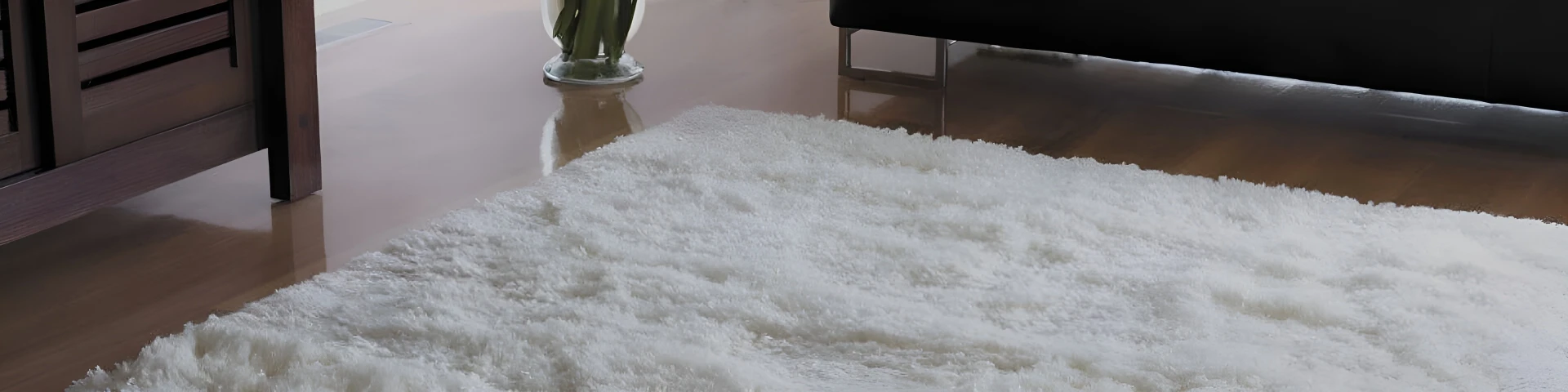
Ivory faux sheepskin area rugs represent a significant segment within the broader decorative floor covering market, functioning as both aesthetic enhancements and comfort provisions. Unlike natural sheepskin, these rugs utilize synthetic fibers engineered to mimic the look and feel of genuine sheepskin, offering advantages in terms of cost, hypoallergenic properties, and ease of maintenance. Their position in the supply chain encompasses raw material production (typically petrochemicals for fiber synthesis), fiber extrusion and texturing, rug backing fabrication, and final finishing processes. Core performance characteristics center on pile height, fiber density, durability against abrasion and compression, colorfastness, and resistance to shedding. This guide provides an in-depth technical analysis of these rugs, covering material science, manufacturing processes, performance metrics, failure modes, and relevant industry standards, aimed at procurement managers, quality control engineers, and product developers.
Material Science & Manufacturing
The foundation of ivory faux sheepskin rugs lies in synthetic fiber technology, predominantly utilizing acrylic, polyester, or polypropylene. Acrylic fibers (typically polyacrylonitrile) provide a soft, wool-like texture and excellent bulk, making them commonly used for replicating the high-pile feel of sheepskin. Polyester, renowned for its resilience and color retention, offers superior durability and resistance to crushing. Polypropylene, the most cost-effective option, exhibits good stain resistance but generally has a lower tactile quality. The manufacturing process begins with polymer synthesis from petrochemical feedstocks. These polymers are then extruded into fibers, with denier (fiber thickness) carefully controlled to influence softness and pile density. Texturing processes, such as crimping or curling, are applied to impart bulk and create the characteristic sheepskin appearance. Rug backing is typically constructed from jute, polypropylene, or latex, providing structural integrity and preventing slippage. The fibers are then tufted or woven into the backing, followed by a shearing process to achieve the desired pile height and density. Adhesive application secures the fibers, and a final finishing step, involving brushing and quality inspection, completes the manufacturing cycle. Critical parameters during manufacturing include maintaining consistent fiber denier, uniform tuft density, proper adhesive curing temperature, and accurate pile height control to ensure consistent product quality and aesthetic appeal. Chemical compatibility between the fiber, backing, and adhesives is also vital to prevent delamination or degradation over time.
Performance & Engineering
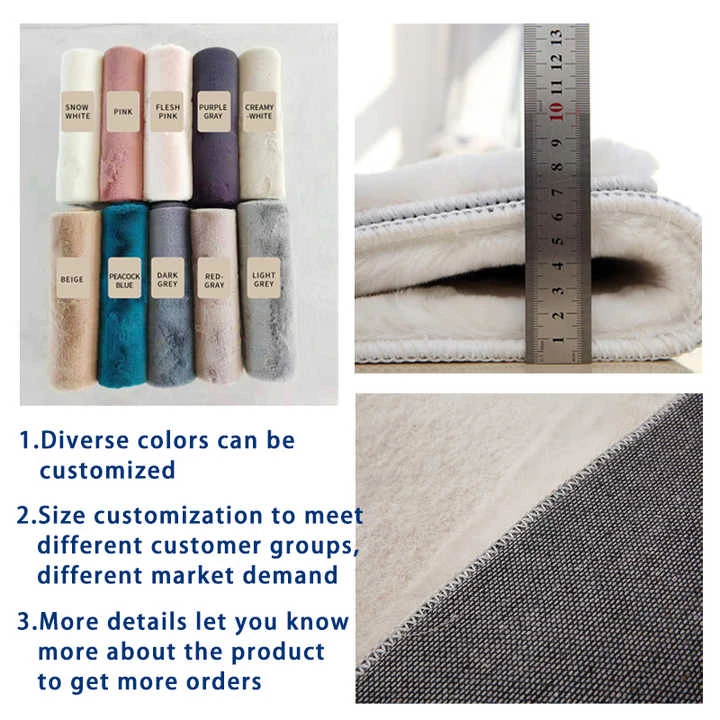
The performance of ivory faux sheepskin rugs is dictated by a complex interplay of factors, including fiber properties, structural design, and environmental conditions. Force analysis focuses on assessing the rug’s ability to withstand compressive loads (foot traffic) without significant pile deformation or matting. Fiber resilience, measured by recovery from compression, is a critical parameter. Abrasion resistance, determined using methods like the Taber abrasion test, indicates the rug’s longevity in high-traffic areas. Environmental resistance involves evaluating colorfastness to light exposure (ASTM D1654) and washability (AATCC 163). Static load testing determines the ability of the rug to maintain its shape and density under prolonged pressure. Flammability is a crucial safety concern, addressed through compliance with standards like CAL 117 (California Technical Bulletin 117) for residential applications. The backing material’s tensile strength and elongation properties contribute to the rug’s overall dimensional stability. Furthermore, the fiber’s resistance to moisture absorption influences its susceptibility to mildew growth and dimensional changes. Engineering considerations include optimizing fiber density to balance softness and durability, selecting appropriate backing materials for desired slip resistance, and implementing effective adhesive systems to prevent fiber shedding. Understanding these performance parameters is essential for selecting a rug suitable for specific applications and anticipating its long-term behavior.
Technical Specifications
| Parameter | Acrylic Fiber | Polyester Fiber | Polypropylene Fiber | Jute Backing |
|---|---|---|---|---|
| Denier (g/9000m) | 2.2 – 3.3 | 1.5 – 2.5 | 1.0 – 2.0 | N/A |
| Pile Height (mm) | 25-60 | 20-50 | 15-40 | N/A |
| Pile Density (g/m²) | 800-1500 | 600-1200 | 400-800 | N/A |
| Tensile Strength (MPa) | 40-60 | 60-80 | 20-40 | 50-70 |
| Elongation at Break (%) | 20-30 | 30-50 | 150-200 | 10-20 |
| Colorfastness to Light (Rating 1-5) | 3-4 | 4-5 | 3-4 | N/A |
Failure Mode & Maintenance
Ivory faux sheepskin rugs are susceptible to several failure modes. Fiber shedding is a common issue, particularly with lower-quality rugs, stemming from inadequate fiber anchoring during manufacturing. Pile crushing occurs under sustained compressive loads, reducing the rug’s softness and appearance. Color fading results from prolonged exposure to UV radiation, particularly in direct sunlight. Delamination – separation of the fiber pile from the backing – arises from adhesive failure, often exacerbated by moisture exposure. Matting develops due to fiber entanglement and compaction, hindering the rug’s ability to regain its original loft. Stain absorption can occur if spills are not promptly addressed, particularly with polypropylene fibers. Maintenance strategies to mitigate these issues include regular vacuuming to remove loose debris and prevent fiber matting, immediate spot cleaning of spills using a mild detergent and water, avoiding direct sunlight exposure to minimize color fading, and periodic rotation of the rug to distribute wear evenly. For delamination, professional rug repair may be necessary, involving re-adhering the pile to the backing. Preventative measures include selecting rugs with high-quality adhesives and backing materials, and avoiding excessive moisture exposure. Professional cleaning is recommended every 1-2 years to restore pile loft and remove embedded dirt and grime.
Industry FAQ
Q: What is the primary difference between acrylic and polyester faux sheepskin rugs in terms of durability?
A: Polyester generally exhibits superior durability compared to acrylic. While acrylic offers a softer hand feel, polyester fibers possess higher tensile strength and resilience, resisting crushing and abrasion more effectively. This translates to a longer lifespan, particularly in high-traffic areas. Polyester also demonstrates better colorfastness, maintaining its vibrancy for a longer period.
Q: How does the backing material influence the slip resistance of these rugs?
A: The backing material significantly impacts slip resistance. Jute backing provides a naturally textured surface that enhances grip, but can be prone to moisture absorption and subsequent mold growth. Polypropylene backing is more moisture-resistant but offers less inherent grip. Latex backing offers a good balance of grip and moisture resistance, often incorporating anti-slip coatings for enhanced safety. The density and pattern of the backing also contribute to slip resistance.
Q: What flammability standards are typically relevant for faux sheepskin rugs intended for residential use?
A: CAL 117 (California Technical Bulletin 117) is a key flammability standard for residential upholstered furniture, including area rugs. This standard assesses the rug’s resistance to ignition and the rate of flame spread. Compliance with CAL 117 is often a requirement for selling these rugs in California and is frequently adopted by manufacturers as a benchmark for overall fire safety.
Q: How can I assess the quality of the adhesive used in the rug construction?
A: Assessing adhesive quality directly can be challenging without destructive testing. However, indicators include the absence of noticeable fiber shedding after routine vacuuming, resistance to delamination even after exposure to moderate moisture, and a lack of a strong chemical odor emanating from the rug. Reputable manufacturers typically utilize high-performance latex-based adhesives formulated for textile bonding.
Q: What impact does pile height have on the longevity of a faux sheepskin rug?
A: While a higher pile height contributes to a more luxurious feel, it can also increase susceptibility to matting and crushing, especially in high-traffic areas. Lower pile heights tend to be more resilient and maintain their appearance for a longer period. The quality of the fiber and the rug’s backing also play a significant role in its overall longevity, regardless of pile height.
Conclusion
Ivory faux sheepskin area rugs present a viable alternative to natural sheepskin, offering cost-effectiveness, hypoallergenic properties, and ease of care. Understanding the underlying material science – the nuances of acrylic, polyester, and polypropylene fiber characteristics – is crucial for selecting a rug appropriate for specific performance requirements. Manufacturing process controls, encompassing fiber extrusion, tufting density, and adhesive application, directly influence the product’s durability and aesthetic appeal.
The selection process should prioritize a thorough evaluation of technical specifications, including pile height, density, tensile strength, and colorfastness, aligned with anticipated usage conditions. Proactive maintenance, encompassing regular vacuuming, prompt stain removal, and avoidance of prolonged sun exposure, is essential for maximizing the rug’s lifespan. Adherence to relevant industry standards, such as CAL 117 and ASTM D1654, ensures product safety and compliance.