


large cream fur rug Performance Analysis
Introduction
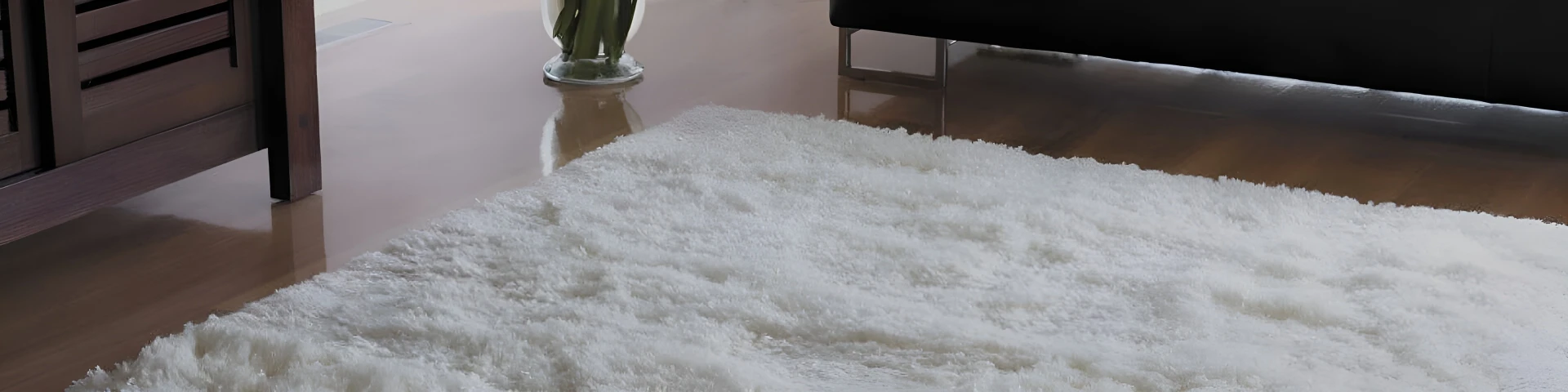
Large cream fur rugs represent a significant segment within the broader floor covering market, categorized as luxury textiles. Their technical position lies between functional floor protection and high-end interior design elements. These rugs are not merely decorative; their performance characteristics—pile density, fiber composition, and backing materials—contribute to thermal insulation, acoustic dampening, and tactile comfort. The core performance attributes are centered on perceived softness, aesthetic appeal (colorfastness and texture), durability under foot traffic, and ease of maintenance. Demand is driven by residential and hospitality sectors seeking to enhance interior ambiance. However, manufacturers face challenges related to ethical sourcing of materials, sustainable production practices, and maintaining consistent quality across large-scale production runs. Understanding the intricacies of fur type, tanning processes, and backing construction is paramount to delivering a product that meets consumer expectations and industry standards. This guide provides an in-depth exploration of the material science, manufacturing processes, performance parameters, potential failure modes, and maintenance strategies associated with large cream fur rugs.
Material Science & Manufacturing
The core material of a large cream fur rug is typically sourced from animal hides – most commonly sheepskin (lambskin, shearling), cowhide, or occasionally rabbit fur, though synthetic alternatives are increasingly common. Sheepskin offers a desirable combination of softness, density, and thermal properties. The raw hide undergoes a complex tanning process to preserve it and prevent decomposition. Common tanning methods include vegetable tanning (using tannins from bark and plant materials), chrome tanning (using chromium salts – the most prevalent method due to speed and cost-effectiveness, but raising environmental concerns), and aldehyde tanning. The tanning process significantly alters the protein structure of the hide, increasing its stability and flexibility. Post-tanning, the hide is often dyed to achieve the desired cream color, using a range of chemical dyes. Colorfastness is critical and assessed using standards like ISO 105-B02.
Manufacturing involves several key steps. First, the tanned hides are sheared to achieve a uniform pile length. Pile height is a critical parameter, impacting both aesthetic appeal and durability. Next, the hides are pieced together, either by sewing or gluing, to create larger rug panels. Sewing offers greater structural integrity, while gluing is faster and more cost-effective. The backing material is then applied, typically consisting of a woven fabric (such as jute or polypropylene) laminated with a latex or synthetic rubber adhesive. The backing provides structural support, prevents slippage, and enhances dimensional stability. Quality control is essential throughout the process, focusing on hide selection, dye uniformity, seam integrity, and backing adhesion. Parameter control centers around consistent tanning liquor concentrations, dyeing temperatures, pile height variation (maintained within +/- 2mm), and adhesive application rates. Synthetic fur rugs utilize acrylic, modacrylic, or polyester fibers, often woven or tufted onto a similar backing material. The manufacturing process for synthetics simplifies hide processing but requires careful attention to fiber denier, crimp, and dye uptake to mimic the aesthetic and tactile properties of genuine fur.

Performance & Engineering
The performance of a large cream fur rug is governed by several engineering principles. Force analysis focuses on assessing the rug's ability to withstand compressive forces from foot traffic and furniture. Pile density and backing strength are crucial factors in determining resistance to matting and deformation. The rug’s shear strength, particularly at seams, is critical to preventing delamination. Environmental resistance is a significant concern. Exposure to sunlight (UV radiation) can cause color fading and fiber degradation, particularly in natural fur. Moisture exposure can lead to mildew growth and odor development, especially if the rug is not properly dried after cleaning. The thermal insulation properties of the rug are determined by the pile height, fiber density, and air trapped within the pile. A higher pile density generally results in greater thermal resistance (measured in R-value or Tog rating). Acoustic dampening performance arises from the rug’s ability to absorb sound waves, reducing noise levels within a room.
Compliance requirements vary depending on the target market. In the US, rugs are subject to flammability standards (California Technical Bulletin 117) and lead content regulations (CPSIA). In Europe, relevant standards include EN 1307 and REACH (regarding restricted substances). For synthetic rugs, VOC (volatile organic compound) emissions are increasingly scrutinized, with standards like OEKO-TEX Standard 100 becoming important. The structural integrity of the rug is paramount; engineered for sustained load-bearing capacity, resisting permanent deformation under typical use conditions. The backing provides essential dimensional stability, preventing stretching or shrinking. Proper backing adhesion prevents delamination, extending the rug's lifespan. Durability testing incorporates Martindale abrasion tests (to assess wear resistance) and tensile strength tests (to evaluate the strength of the backing material).
Technical Specifications
| Parameter | Units | Typical Value (Sheepskin Rug) | Typical Value (Synthetic Fur Rug) |
|---|---|---|---|
| Pile Height | mm | 30-60 | 20-40 |
| Pile Density | g/m² | 800-1500 | 500-1200 |
| Fiber Composition | - | 100% Sheepskin (Variable Breed) | 100% Polyester/Acrylic |
| Backing Material | - | Jute/Latex or Polypropylene/Latex | Polyester/Latex or Non-Woven Fabric |
| Tensile Strength (Backing) | N/mm | > 20 | > 15 |
| Colorfastness to Light | Grade (1-5) | 4-5 | 3-4 |
Failure Mode & Maintenance
Large cream fur rugs are susceptible to several failure modes. Fatigue cracking can occur in the backing material due to repeated compression and flexing. Delamination, the separation of the pile from the backing, is a common issue, particularly in rugs with poor adhesive bonding. Fiber degradation, caused by UV exposure or chemical cleaning agents, can lead to color fading and loss of pile integrity. Oxidation of natural fibers can result in yellowing and brittleness. Matting, the compression and flattening of the pile, reduces the rug’s aesthetic appeal and tactile comfort. Staining is a frequent concern, particularly from spills of liquids (coffee, wine, oil) and solid materials (mud, food). Biological degradation (mildew or moth infestation) can occur in damp or poorly ventilated environments.
Professional maintenance is crucial for extending the rug's lifespan. Regular vacuuming (using a suction-only nozzle to avoid damaging the pile) removes dirt and debris. Spot cleaning should be performed immediately after spills, using a mild detergent and cool water. Avoid harsh chemicals or abrasive cleaners. Professional cleaning, using specialized equipment and cleaning agents, is recommended every 12-18 months. For natural fur rugs, dry cleaning is generally preferred. Proper storage is essential during periods of inactivity. The rug should be rolled (pile side out) and stored in a cool, dry, well-ventilated area, protected from direct sunlight and insects. Preventative measures include using rug pads to provide cushioning, reduce wear, and prevent slippage. Regularly rotating the rug helps to distribute wear evenly. Addressing minor repairs (such as loose seams) promptly prevents them from escalating into more significant problems.
Industry FAQ
Q: What differentiates a high-quality sheepskin rug from a lower-grade one?
A: A high-quality sheepskin rug exhibits a denser, more uniform pile with minimal shedding. The tanning process is crucial; superior rugs use vegetable or aldehyde tanning methods which are more environmentally friendly and produce a softer, more pliable hide. The backing is securely attached using a high-quality adhesive and a durable backing material. Look for consistent color throughout the hide and minimal imperfections. Lower-grade rugs often utilize chrome tanning, have thinner piles, and may exhibit noticeable variations in color and texture.
Q: How does the choice of backing material impact the rug's performance and lifespan?
A: The backing material provides crucial structural support and prevents slippage. Jute backing is natural and breathable but prone to degradation in damp conditions. Polypropylene backing is more durable and resistant to moisture but less environmentally friendly. Latex adhesives offer strong adhesion but can become brittle over time. A higher-quality backing material (e.g., a woven polypropylene with a robust latex formulation) will significantly extend the rug’s lifespan and maintain its structural integrity under heavy foot traffic.
Q: What are the environmental considerations when choosing between a natural fur rug and a synthetic alternative?
A: Natural fur rugs raise ethical concerns regarding animal welfare and the environmental impact of tanning processes (especially chrome tanning). Synthetic fur rugs avoid these issues but are typically derived from petroleum-based products and contribute to microplastic pollution. Choosing rugs with sustainable sourcing certifications (e.g., Responsible Wool Standard) and environmentally friendly tanning methods can mitigate some of these concerns. Recycled synthetic fur options are also gaining traction.
Q: What is the best way to clean a cream fur rug to prevent damage and maintain its appearance?
A: Regular vacuuming is paramount. Spot clean spills immediately using a mild detergent and cool water, blotting gently rather than rubbing. Avoid harsh chemicals and steam cleaning. For deep cleaning, professional dry cleaning is recommended for natural fur rugs, while synthetic rugs can be carefully cleaned with a specialized upholstery cleaner. Always test any cleaning solution in an inconspicuous area first.
Q: What flammability standards apply to large fur rugs, and how are they tested?
A: In the US, California Technical Bulletin 117 is a key flammability standard. Rugs are tested by exposing them to a standardized flame source and measuring the rate of flame spread and the amount of smoke generated. Compliance with this standard is essential for sale in California and often adopted nationally. European standards like EN 1307 also address flammability and require specific testing protocols.
Conclusion
Large cream fur rugs represent a complex interplay of material science, manufacturing expertise, and aesthetic design. Their performance characteristics – durability, comfort, and aesthetic appeal – are directly influenced by the selection of raw materials (natural or synthetic), the tanning or fiber production process, the quality of the backing, and the precision of manufacturing techniques. A thorough understanding of these factors is critical for manufacturers aiming to deliver a high-quality, long-lasting product that meets consumer expectations and complies with stringent industry standards.
Looking forward, the industry is likely to see increased demand for sustainable and ethically sourced materials, along with advancements in manufacturing processes that reduce environmental impact and improve product performance. Innovations in backing materials, adhesive technologies, and cleaning solutions will further enhance the durability and longevity of these rugs. Continued research and development focused on addressing the failure modes outlined in this guide will be crucial for maintaining the quality and reputation of the large cream fur rug market.