

large fake sheepskin rug Technical Analysis
Introduction
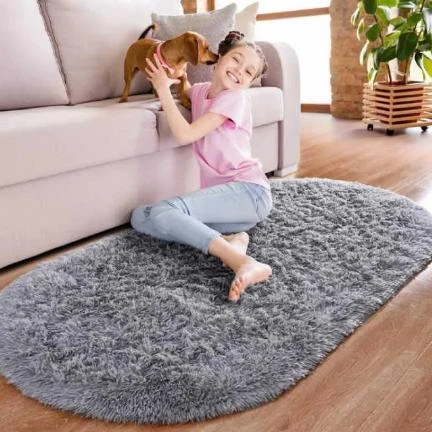
Large fake sheepskin rugs represent a significant segment within the broader floor covering and home textiles industry. Positioned as an affordable and ethically sourced alternative to genuine sheepskin, these rugs are increasingly utilized in residential, hospitality, and light commercial applications. The product fundamentally consists of a woven or knitted base material overlaid with a pile of synthetic fibers designed to mimic the texture and appearance of natural sheep wool. Core performance characteristics are defined by pile density, fiber composition, abrasion resistance, colorfastness, and overall aesthetic appeal. Demand is driven by consumer preferences for animal welfare, ease of maintenance, and cost-effectiveness, challenging the traditional dominance of natural sheepskin products. This guide provides a comprehensive technical analysis of large fake sheepskin rugs, covering material science, manufacturing processes, performance metrics, failure modes, and industry standards.
Material Science & Manufacturing
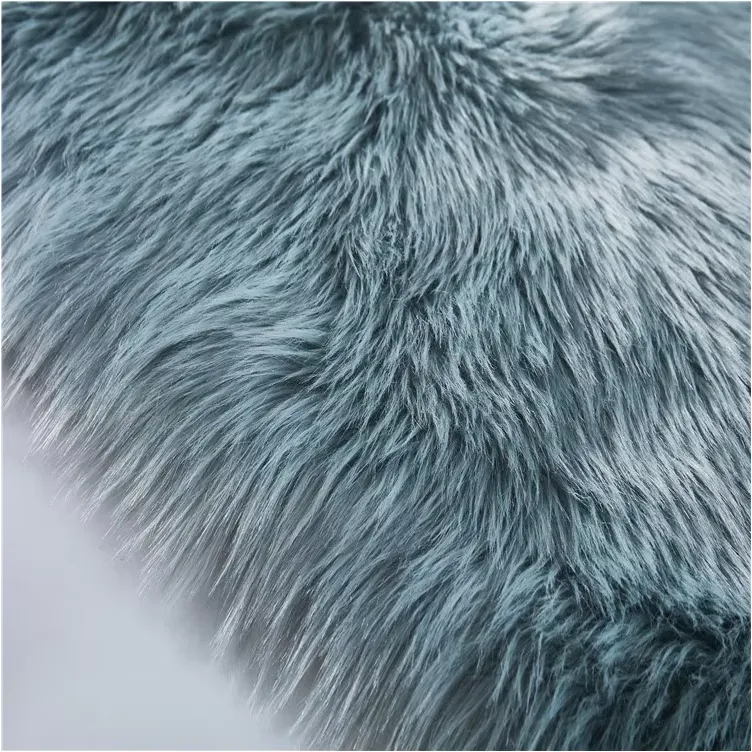
The manufacturing of large fake sheepskin rugs relies heavily on advancements in synthetic fiber technology. The base material is typically constructed from polypropylene (PP) or polyester (PET) woven or non-woven fabrics. PP offers excellent cost-effectiveness and moisture resistance, while PET provides superior resilience and dyeability. The pile fibers, responsible for the sheepskin aesthetic, are predominantly manufactured from acrylic, modacrylic, or a blend of these polymers. Acrylic fibers offer a close resemblance to natural wool in terms of texture and crimp, though exhibiting lower durability. Modacrylic fibers provide inherent flame retardancy, enhancing safety characteristics. The manufacturing process generally involves tufting or needle punching the pile fibers into the base fabric. Tufting creates a denser, more luxurious pile but is generally more expensive. Needle punching is a more economical process, producing a less dense but still acceptable texture. Critical parameters during manufacturing include yarn denier (fiber thickness), pile height, stitch density (for tufted rugs), and base fabric weight. Dyeing is typically performed using solution dyeing or exhaustion dyeing methods, with solution dyeing offering superior colorfastness. Post-processing treatments may include brushing, shearing, and anti-static finishing to enhance the aesthetic and functional properties. Chemical compatibility between the base and pile materials is crucial to prevent delamination and ensure structural integrity. Furthermore, the selection of appropriate adhesives, if used in bonding layers, must consider long-term stability and resistance to environmental factors.
Performance & Engineering
The performance of large fake sheepskin rugs is evaluated based on a range of mechanical and environmental resistance properties. Abrasion resistance, measured using the Taber abrasion test (ASTM D3886), is crucial for determining the rug’s lifespan under foot traffic. Tensile strength and elongation (ASTM D4157) indicate the rug’s resistance to tearing and stretching. Colorfastness to light (ISO 105-B02) and washing (ISO 105-C06) are essential for maintaining the aesthetic appearance over time. Flammability is a key safety concern, and rugs must meet relevant fire safety standards (see section 7). The pile density significantly influences the thermal insulation properties, providing a comfortable surface for walking and lounging. Static charge buildup can be a nuisance, and anti-static treatments are often applied to mitigate this issue. Environmental resistance is a critical factor. Prolonged exposure to ultraviolet (UV) radiation can cause fiber degradation, leading to discoloration and loss of strength. Resistance to common household chemicals, such as cleaning agents and spillages, must also be considered. Force analysis of the pile structure reveals the impact of pile height and density on compression set and resilience. A higher pile density generally results in better resilience but can also increase the risk of matting. Compliance requirements vary by region, with regulations pertaining to flammability, volatile organic compound (VOC) emissions, and restricted substances (e.g., REACH, RoHS).
Technical Specifications
| Parameter | Unit | Typical Value (Low-End) | Typical Value (High-End) |
|---|---|---|---|
| Pile Fiber Composition | - | Acrylic | Modacrylic/Acrylic Blend |
| Base Fabric Material | - | Polypropylene (PP) | Polyester (PET) |
| Pile Height | mm | 20 | 60 |
| Pile Density | g/m² | 800 | 2000 |
| Total Weight | g/m² | 1200 | 2800 |
| Abrasion Resistance (Taber) | Cycles to Wear | 500 | 2000 |
Failure Mode & Maintenance
Large fake sheepskin rugs are susceptible to several failure modes. Fiber shedding is a common issue, particularly with lower-quality acrylic rugs. This is caused by the breaking of fibers due to abrasion and wear. Pile crushing and matting occur under sustained pressure, reducing the rug’s aesthetic appeal and comfort. Delamination, the separation of the pile from the base fabric, can occur due to inadequate adhesion or chemical incompatibility. UV degradation leads to discoloration and brittleness of the fibers, especially in rugs exposed to direct sunlight. Oxidation of the polymer fibers can also contribute to degradation over time. Staining from spills is another common problem, requiring prompt cleaning. Maintenance recommendations include regular vacuuming to remove dust and debris, spot cleaning with mild detergent, and avoiding prolonged exposure to direct sunlight. Professional cleaning is recommended every 12-18 months. For delamination, adhesive reapplication, performed by a qualified textile restoration professional, may provide a temporary fix. Preventative measures include using rug pads to distribute weight and protect the base fabric, rotating the rug periodically to minimize localized wear, and implementing a spill response protocol to mitigate staining. The longevity of the rug is directly correlated to the quality of materials, manufacturing process, and adherence to proper maintenance practices.
Industry FAQ
Q: What is the primary difference in performance between acrylic and modacrylic pile fibers?
A: Acrylic fibers provide a closer aesthetic resemblance to natural wool in terms of texture and crimp, offering a softer feel. However, modacrylic fibers exhibit superior inherent flame retardancy and generally better resilience. Acrylic is more prone to shedding and UV degradation compared to modacrylic. The choice depends on the specific application and required safety standards.
Q: How does the base fabric material influence the overall durability of the rug?
A: The base fabric provides structural support for the pile fibers. Polyester (PET) base fabrics generally offer higher tensile strength and dimensional stability than polypropylene (PP) base fabrics. A robust base fabric resists stretching and tearing, preventing premature delamination. PP is more cost-effective and provides better moisture resistance.
Q: What are the key considerations for preventing color fading in these rugs?
A: Color fading is primarily caused by UV exposure. Using solution-dyed fibers significantly improves colorfastness. Minimizing direct sunlight exposure, utilizing window coverings, and rotating the rug periodically can further reduce fading. Regularly vacuuming also helps remove dust particles that can accelerate degradation.
Q: What is the recommended cleaning procedure for a spill on a fake sheepskin rug?
A: Immediately blot the spill with a clean, dry cloth. Avoid rubbing, as this can spread the stain and damage the fibers. For stubborn stains, use a mild detergent diluted in water and gently dab the affected area. Rinse thoroughly with clean water and allow to air dry. Avoid using harsh chemicals or abrasive cleaners.
Q: What flammability standards should be considered when sourcing these rugs for commercial applications?
A: For commercial applications, compliance with flammability standards such as NFPA 701 (Standard Methods of Fire Tests for Flame Propagation of Textiles and Films) and California Technical Bulletin 117 (Flammability of Foamed Plastic Used in Upholstery) is crucial. Ensure the rug has been tested and certified by an accredited testing laboratory.
Conclusion
Large fake sheepskin rugs represent a viable and increasingly popular alternative to genuine sheepskin, driven by ethical and economic considerations. Their performance is intrinsically linked to the quality of materials employed – particularly the pile fiber composition and base fabric – and the precision of the manufacturing process. Understanding the parameters governing abrasion resistance, colorfastness, and flammability is critical for ensuring product longevity and adherence to safety regulations.
Looking forward, advancements in bio-based synthetic fibers and sustainable manufacturing practices will likely play a significant role in further enhancing the environmental profile of these rugs. Continued research into fiber modification techniques and innovative pile construction methods will contribute to improved performance characteristics and extended product lifecycles. A holistic approach, encompassing material selection, manufacturing control, and proper maintenance, is essential for maximizing the value and minimizing the environmental impact of large fake sheepskin rugs.