


large faux fur rug white Performance Analysis
Introduction
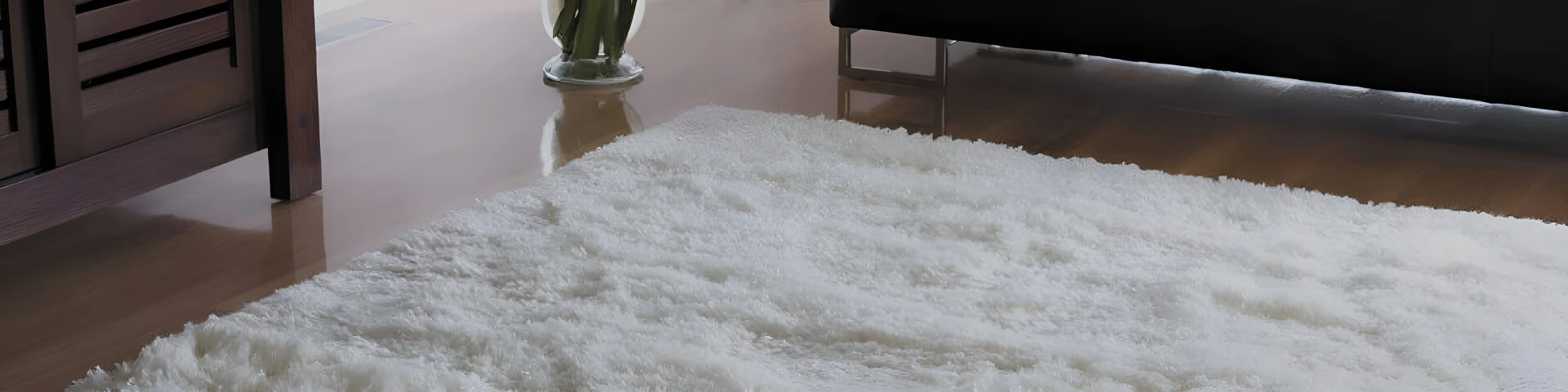
Large faux fur rugs (white) represent a significant segment within the broader floor covering industry, categorized as decorative textile products. Positioned as an alternative to natural fur rugs, they address ethical concerns and offer enhanced cost-effectiveness. These rugs are primarily composed of synthetic fibers engineered to mimic the appearance and tactile sensation of genuine animal fur. Their performance characteristics are governed by fiber composition, pile density, backing material, and manufacturing processes. Core performance metrics include durability, stain resistance, aesthetic appeal, and thermal insulation. The industry faces challenges in balancing realistic fur simulation with acceptable levels of shedding, ensuring colorfastness, and meeting evolving consumer preferences for sustainable materials and production methods. A major pain point is the perception of lower quality compared to natural fur, which manufacturers address through advancements in fiber technology and construction techniques.
Material Science & Manufacturing
The primary raw material for large faux fur rugs (white) is typically polyester, specifically polyethylene terephthalate (PET). Other synthetic fibers, such as acrylic and modacrylic, are also utilized, often in blends to achieve specific textures and properties. Polyester offers excellent fiber memory, resilience, and inherent stain resistance. Acrylic provides a softer hand-feel, closer to natural fur, but generally exhibits lower durability. Modacrylic improves flame retardancy. The manufacturing process begins with fiber extrusion. Molten polymer is forced through spinnerets to create continuous filaments. These filaments are then crimped – mechanically or chemically – to impart bulk and texture. The crimped fibers are subsequently tufted or woven into a backing material, commonly polypropylene or jute. Pile height, measured in millimeters, is a critical parameter. Higher pile heights (>50mm) offer a more luxurious feel but are more prone to matting. Density, measured in ounces per square yard, impacts durability and overall rug weight. A robust manufacturing process maintains consistent fiber height and density distribution. Dyeing occurs either at the fiber stage (solution dyeing) or after tufting/weaving (piece dyeing). Solution dyeing provides superior colorfastness. Finishing treatments may include anti-shedding compounds, stain repellents, and antimicrobial agents. Parameter control focuses on maintaining consistent polymer viscosity during extrusion, precise fiber crimping, and accurate tufting/weaving density.
Performance & Engineering
Performance assessment of large faux fur rugs (white) revolves around several key engineering properties. Tensile strength, measured using ASTM D4157, determines resistance to tearing. Elongation at break indicates flexibility. Pile crush resistance, assessed via repeated compression testing, evaluates the rug’s ability to recover its original appearance. Shedding, a significant consumer concern, is quantified by measuring the amount of fiber loss after abrasion testing (ASTM D538). Colorfastness to light (ISO 105-B02) and washing (ISO 105-C06) are crucial for maintaining aesthetic appeal. Flammability is governed by standards like CAL 117 for California and BS 476 for the UK. Thermal insulation (R-value) contributes to comfort and energy efficiency. The backing material significantly influences slip resistance, tested according to ASTM D2047. Force analysis during use involves both static and dynamic loads. Static loads determine compression set, while dynamic loads assess abrasion resistance and pile deformation. Environmental resistance considerations include UV degradation (particularly for outdoor applications) and resistance to mildew and mold growth in humid environments. Compliance requirements necessitate adherence to consumer product safety regulations and restrictions on hazardous substances (e.g., REACH, RoHS).
Technical Specifications
| Parameter | Unit | Typical Value (Standard Grade) | Premium Grade |
|---|---|---|---|
| Pile Height | mm | 40-50 | 60-80 |
| Pile Weight | g/m² | 800-1200 | 1500-2000 |
| Fiber Composition | % Polyester | 100 | 80/20 Polyester/Acrylic |
| Backing Material | - | Polypropylene | Latex with Cotton Canvas |
| Shedding (after 5000 cycles) | g | <0.5 | <0.2 |
| Colorfastness to Light | Rating (1-8) | 6-7 | 7-8 |
Failure Mode & Maintenance
Common failure modes for large faux fur rugs (white) include pile matting, fiber shedding, discoloration, and backing degradation. Pile matting results from repeated compression, causing fibers to lose their resilience. This is exacerbated by high foot traffic and improper cleaning. Fiber shedding, particularly in lower-grade rugs, occurs due to weak fiber anchoring and abrasion. Discoloration arises from UV exposure or staining. Backing degradation can manifest as cracking or delamination, compromising structural integrity. Oxidation of polyester fibers over prolonged periods leads to brittleness and color fading. Maintenance recommendations include regular vacuuming (using a brush-free attachment to minimize fiber removal), spot cleaning with mild detergent and water, and avoiding prolonged direct sunlight. Professional cleaning is advisable every 12-18 months. Avoid harsh chemicals and excessive moisture. For localized matting, gently fluff the pile with a soft brush. If backing delamination occurs, rug repair or replacement is generally necessary. Preventing failure involves selecting high-quality rugs, implementing a consistent cleaning schedule, and minimizing exposure to damaging environmental factors.
Industry FAQ
Q: What differentiates a high-quality faux fur rug from a lower-priced option?
A: High-quality rugs utilize superior fiber compositions (often blends including acrylic or modacrylic for enhanced feel and flame retardancy), higher pile weights, and more durable backing materials like latex with cotton canvas. They also undergo more rigorous testing for shedding, colorfastness, and flammability, resulting in a longer lifespan and improved aesthetic retention. Lower-priced options typically compromise on these factors to reduce production costs.
Q: How does the backing material affect the rug's performance?
A: The backing material provides structural support and influences slip resistance. Polypropylene is common for cost-effectiveness but offers limited durability. Latex provides better grip and resilience, while a latex-cotton canvas combination offers the highest level of stability and longevity. A compromised backing leads to delamination and overall rug failure.
Q: What is the expected lifespan of a large faux fur rug?
A: The lifespan varies significantly based on quality, traffic, and maintenance. A standard-grade rug may last 3-5 years with moderate use. A premium-grade rug, with proper care, can last 7-10 years or longer. Regular vacuuming and professional cleaning are crucial for maximizing lifespan.
Q: How resistant are faux fur rugs to staining?
A: Polyester fibers inherently possess good stain resistance, but susceptibility depends on the stain type. Water-based stains are generally easier to remove than oil-based stains. Prompt cleaning with a mild detergent is essential. Pre-treatment with a stain repellent can further enhance resistance.
Q: Are faux fur rugs considered environmentally friendly?
A: While not inherently "sustainable" due to their reliance on synthetic polymers, advancements are being made in using recycled polyester fibers (rPET) in faux fur production, reducing reliance on virgin materials. Responsible manufacturing practices, minimizing waste and energy consumption, are also important considerations.
Conclusion
Large faux fur rugs (white) represent a compelling alternative to natural fur, offering a balance of aesthetic appeal, cost-effectiveness, and ethical considerations. The performance of these rugs is intrinsically linked to material selection, manufacturing processes, and adherence to industry standards. Understanding the nuances of fiber properties, pile construction, and backing materials is critical for evaluating quality and predicting lifespan.
Future developments will likely focus on incorporating bio-based polymers, enhancing stain resistance, and improving the durability of backing materials. Continued innovation in fiber technology will aim to create faux fur rugs that more closely mimic the luxurious feel and longevity of genuine fur while minimizing environmental impact. The market demands increasingly sophisticated performance and sustainable practices, driving ongoing advancements in this segment of the textile industry.