


large faux rug Performance Analysis
Introduction
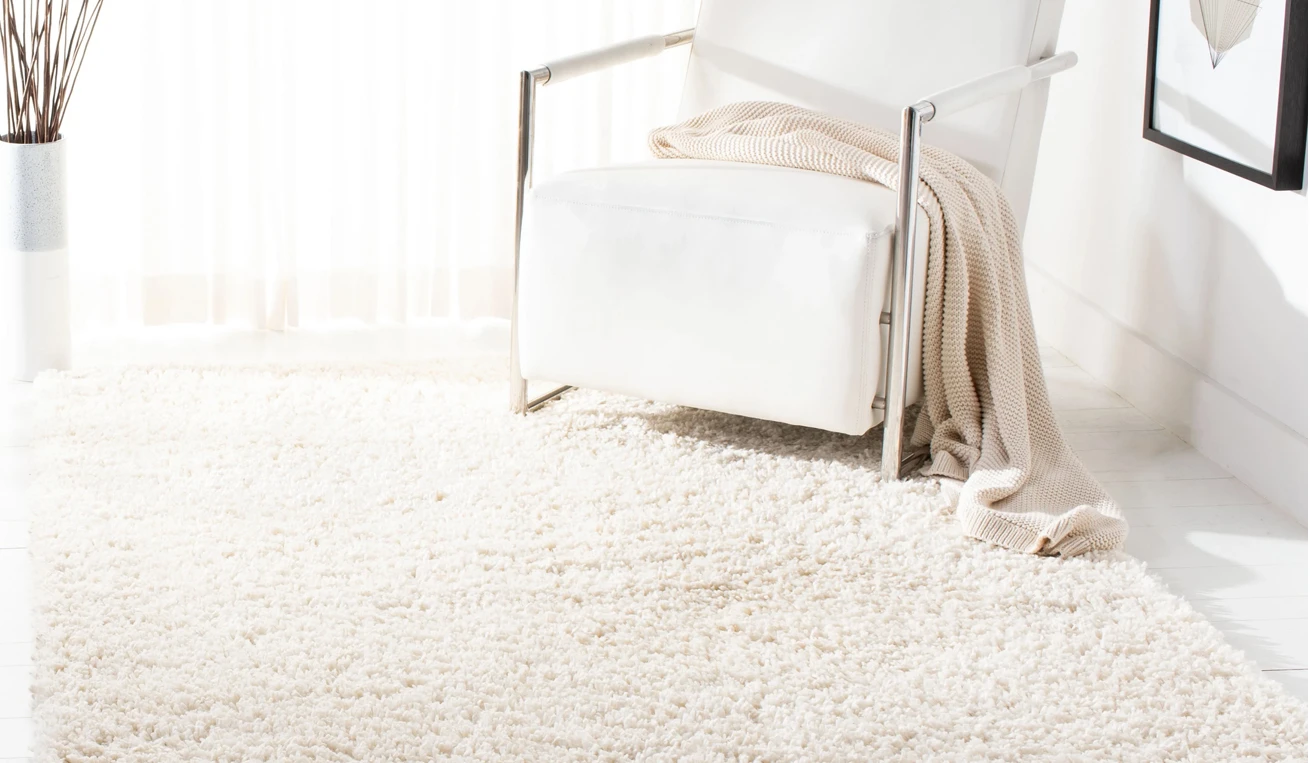
Large faux rugs represent a significant segment within the broader floor covering industry, positioned as cost-effective alternatives to natural fiber rugs such as wool, silk, and cotton. These rugs are typically manufactured using synthetic materials, primarily polypropylene, polyester, and acrylic, offering comparable aesthetics with enhanced durability and ease of maintenance. Their industrial application spans residential, commercial, and hospitality sectors, serving a crucial role in interior design and acoustic dampening. Core performance characteristics defining this product category include pile height, density, weight, stain resistance, and UV stability. The increasing demand for sustainable and affordable flooring solutions continues to drive innovation and market growth in the large faux rug sector. This technical guide will detail the material science, manufacturing processes, performance engineering, potential failure modes, and relevant industry standards associated with large faux rugs.
Material Science & Manufacturing
The dominant raw materials in large faux rug production are thermoplastic polymers. Polypropylene (PP) is favored for its cost-effectiveness, inherent stain resistance, and relatively high tensile strength (typically 25-40 MPa). Polyester (PET) offers superior softness, enhanced color vibrancy, and improved resistance to fading, exhibiting tensile strengths ranging from 55-75 MPa. Acrylic fibers provide a wool-like texture and excellent resilience, though with lower abrasion resistance and a tensile strength around 40-50 MPa. The manufacturing process generally involves several stages: fiber extrusion, yarn formation, tufting or weaving, primary backing adhesion, secondary backing application, and finishing. Fiber extrusion dictates the denier and cross-sectional shape of the fiber, influencing pile characteristics. Yarn formation, typically using heat-setting techniques, imparts curl and bulk. Tufting is the most common method, involving inserting fibers through a primary backing material (usually polypropylene), while weaving creates a more durable but generally more expensive structure. The adhesion of the primary backing is critical, typically employing latex-based adhesives. Secondary backing, often made of felt or jute, adds dimensional stability and cushioning. Key parameter control during manufacturing includes maintaining consistent fiber denier, precise tuft density (stitches per inch), uniform adhesive application, and controlled heat-setting temperatures to ensure dimensional stability and prevent fiber distortion. The choice of dye also significantly impacts performance; solution-dyed fibers offer superior fade resistance compared to yarn-dyed or piece-dyed options.

Performance & Engineering
Performance evaluation of large faux rugs focuses on several key engineering considerations. Force analysis concerns the rug’s ability to withstand foot traffic, furniture loading, and potential shear stresses. Pile fiber tensile strength and backing material tear resistance are critical parameters. Environmental resistance encompasses UV stability (measured by AATCC 163 testing), resistance to moisture absorption (WVTR – Water Vapor Transmission Rate), and resistance to common household chemicals and cleaning agents. Compliance requirements are often dictated by flammability standards (e.g., California Technical Bulletin 117), low VOC emission standards (e.g., CARB Section 93120.2), and potentially phthalate content restrictions (based on Consumer Product Safety Improvement Act – CPSIA). Functional implementation involves understanding the relationship between pile height, density, and weight to achieve desired comfort levels and aesthetic appearances. A higher pile height generally equates to increased comfort but may reduce durability. Pile density influences the rug’s ability to retain its shape and resist crushing. The overall weight impacts the rug’s stability and resistance to movement. Static load testing determines the rug's ability to support sustained weight without significant compression or deformation. Dynamic load testing simulates foot traffic to evaluate wear resistance and resilience.
Technical Specifications
| Parameter | Polypropylene (PP) | Polyester (PET) | Acrylic | Units |
|---|---|---|---|---|
| Tensile Strength | 25-40 | 55-75 | 40-50 | MPa |
| Pile Height | 8-15 | 10-20 | 12-18 | mm |
| Pile Density | 800-1200 | 1000-1500 | 900-1300 | stitches/m² |
| Total Weight | 1.5-2.5 | 1.8-3.0 | 1.7-2.8 | kg/m² |
| Water Absorption | <0.1 | <0.3 | <0.5 | % |
| UV Stability (AATCC 163) | 4-5 | 6-7 | 3-4 | Rating (1-7, 7=Excellent) |
Failure Mode & Maintenance
Large faux rugs are susceptible to several failure modes. Delamination, the separation of the pile from the backing, is a common issue often caused by inadequate adhesive application or prolonged exposure to moisture. Fatigue cracking of the fibers occurs due to repeated stress from foot traffic, particularly in high-traffic areas. Fiber crushing and matting result from sustained pressure, leading to a loss of pile resilience and aesthetic appeal. Oxidation and UV degradation cause fading and embrittlement of the fibers, especially in direct sunlight. Stain penetration, while often resisted, can occur with aggressive staining agents if not addressed promptly. Maintenance to mitigate these failures includes regular vacuuming to remove abrasive particles, immediate stain treatment using appropriate cleaning solutions, avoiding prolonged exposure to direct sunlight, and periodic professional cleaning. Preventative measures include using rug pads to distribute weight and reduce wear, rotating the rug to equalize wear patterns, and avoiding harsh chemicals during cleaning. Repair options for delamination are limited; adhesive re-application may provide temporary relief but rarely restores the original bond strength. Fiber crushing is often irreversible.
Industry FAQ
Q: What is the impact of pile material on the overall lifespan of a large faux rug?
A: The pile material significantly impacts lifespan. Polypropylene, while cost-effective, is prone to faster UV degradation and crushing compared to polyester. Polyester offers better resilience and fade resistance, extending lifespan in most applications. Acrylic, though soft, has lower abrasion resistance, potentially leading to premature wear in high-traffic zones.
Q: How does the backing material affect the rug’s dimensional stability?
A: The backing material provides crucial dimensional stability. A robust, woven polypropylene backing offers superior stability compared to a less dense, felt-based backing. The adhesive bond between the pile and the backing is equally critical; a weak bond leads to delamination and dimensional distortion.
Q: What are the key considerations when selecting a large faux rug for a commercial environment with high foot traffic?
A: For high-traffic commercial environments, prioritize rugs with high pile density, robust backing materials (woven polypropylene), and solution-dyed fibers for enhanced colorfastness and stain resistance. Consider a lower pile height to minimize crushing and facilitate easier cleaning.
Q: Are there specific cleaning agents that should be avoided when cleaning a large faux rug?
A: Harsh chemicals, solvents, and abrasive cleaners should be avoided. These can damage the fibers, cause discoloration, or weaken the adhesive bond. Mild detergents specifically formulated for synthetic fibers are recommended, and thorough rinsing is essential to remove residue.
Q: How important is the rug pad in maintaining the performance and longevity of a large faux rug?
A: A rug pad is crucial. It protects the rug from wear and tear, prevents slippage, provides cushioning, and distributes weight, reducing stress on the fibers and backing. It also helps prevent creasing and extends the rug's overall lifespan.
Conclusion
Large faux rugs provide a compelling combination of aesthetic appeal, affordability, and durability within the floor covering industry. Understanding the material science – specifically the properties of polypropylene, polyester, and acrylic – and the nuances of the manufacturing process is critical for selecting a rug suitable for a given application. Performance engineering considerations, including force analysis, environmental resistance testing, and compliance with industry standards, further contribute to informed decision-making.
Ultimately, longevity and performance are directly linked to proper maintenance practices and preventative measures. By recognizing potential failure modes like delamination, fiber crushing, and UV degradation, and implementing appropriate care routines, the lifespan and aesthetic value of a large faux rug can be significantly extended. Ongoing innovation in fiber technology and manufacturing techniques promises to further enhance the performance and sustainability of this increasingly popular flooring solution.