

large white faux fur rug Technical Analysis
Introduction
Large white faux fur rugs represent a significant segment within the broader decorative textiles industry, serving as a cost-effective and ethically sourced alternative to genuine animal fur. Positioned primarily in the interior design and home furnishings supply chain, these rugs are utilized for aesthetic enhancement, tactile comfort, and thermal insulation. Their market growth is driven by increasing consumer demand for cruelty-free products and accessible luxury. Core performance characteristics center on replicating the visual and textural qualities of natural fur, while maintaining durability and ease of maintenance. This guide provides an in-depth technical analysis of large white faux fur rugs, covering material science, manufacturing processes, performance parameters, failure modes, and relevant industry standards. The prevalent pain points in this industry revolve around achieving realistic aesthetics, maintaining fiber integrity during use and cleaning, and ensuring consistency in product quality and safety standards given varying manufacturing practices and material sourcing.
Material Science & Manufacturing
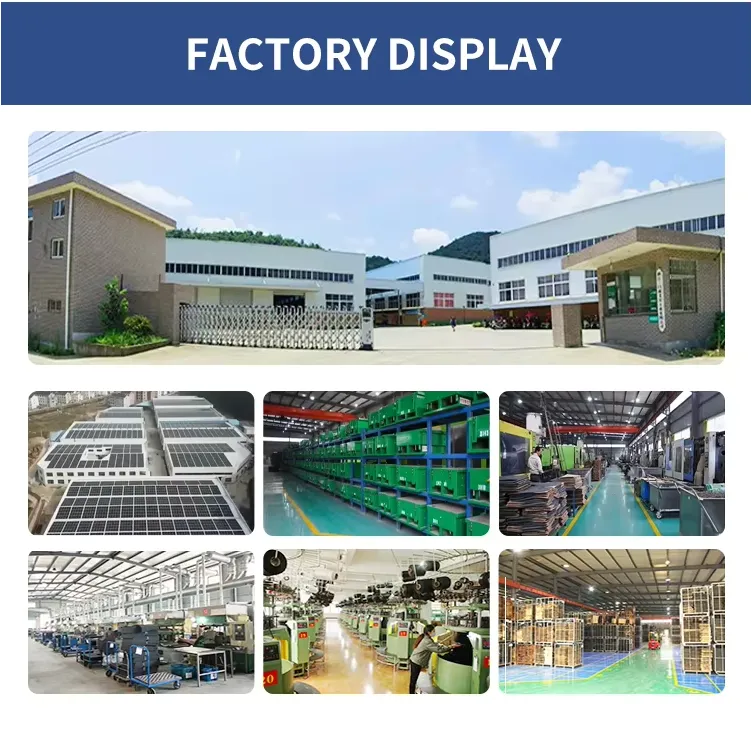
The foundational material for large white faux fur rugs is typically a blend of polyester and acrylic fibers. Polyester provides the structural base due to its high tensile strength (ranging from 400-700 MPa) and relatively low cost. Acrylic is utilized to mimic the softness, density, and visual appearance of natural fur. Fiber denier (fineness) is a critical parameter; lower denier fibers (typically between 0.5 to 1.5 denier) create a softer, more realistic feel. The manufacturing process begins with polymer extrusion, where polyester and acrylic resins are melted and forced through spinnerets to form continuous filaments. These filaments are then crimped to enhance bulk and texture. The backing material usually consists of a non-woven polypropylene fabric, providing dimensional stability and preventing fiber shedding. The core manufacturing stage involves tufting or weaving these fibers into the backing material. Tufting, the more common method, utilizes needles to insert the fibers, followed by latex application for secure anchoring. Weaving offers a denser pile but is more complex and expensive. Key parameter control during manufacturing includes maintaining consistent fiber density, uniform pile height (typically 50-80mm), and accurate color matching utilizing established color standards like Pantone. The latex adhesive used must be low-VOC to meet environmental regulations. Dyeing typically occurs before tufting/weaving using disperse dyes suitable for polyester and acrylic, ensuring colorfastness under UV exposure and washing. Post-treatment processes include brushing, shearing, and quality control inspections for defects.
Performance & Engineering
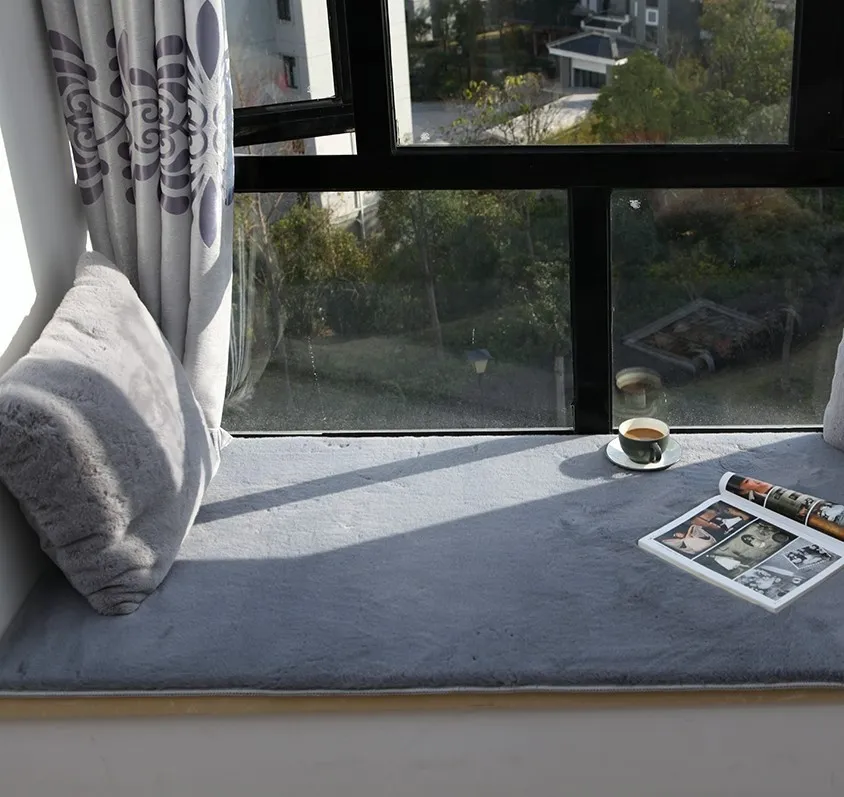
The performance of a large white faux fur rug is fundamentally assessed through its resistance to compression, abrasion, and environmental factors. Force analysis reveals that the pile height and fiber density significantly impact load distribution and resilience. Higher density piles exhibit greater resistance to matting and footprint retention. Abrasion resistance, measured using methods like the Taber abrasion test (ASTM D4966), is critical for durability, particularly in high-traffic areas. Target values typically exceed 5000 cycles for acceptable performance. Environmental resistance focuses on colorfastness to light (ISO 105-B02) and resistance to common household stains. Acrylic fibers are inherently more susceptible to UV degradation than polyester; therefore, UV stabilizers are often incorporated during the polymer extrusion stage. Compliance requirements vary by region, with flammability standards (e.g., California Proposition 65) being paramount. Rugs must exhibit a low flame spread rate and limited smoke development. Functional implementation concerns center on ensuring consistent pile height across the entire surface area, preventing uneven wear patterns, and maintaining a consistent aesthetic appearance. The backing material’s strength is vital to prevent delamination, especially during cleaning or relocation. The pile's ability to recover from compression set (permanent deformation under load) is also a crucial performance indicator.
Technical Specifications
| Parameter | Unit | Typical Value | Testing Standard |
|---|---|---|---|
| Pile Height | mm | 60-80 | ISO 3071 |
| Fiber Density | grams/m² | 800-1200 | GB/T 2986-2009 |
| Tensile Strength (Fiber) | MPa | 400-700 | ASTM D2256 |
| Abrasion Resistance (Taber) | Cycles | >5000 | ASTM D4966 |
| Colorfastness to Light | Grade | 4-5 | ISO 105-B02 |
| Flammability (Flame Spread) | mm/min | <200 | ASTM E84 |
Failure Mode & Maintenance
Large white faux fur rugs are susceptible to several failure modes. Fatigue cracking of the fibers occurs due to repeated compression and abrasion, particularly in high-traffic areas. This manifests as localized thinning of the pile. Delamination, the separation of the pile from the backing, is often caused by degradation of the latex adhesive due to humidity or temperature fluctuations. Oxidation of the acrylic fibers, accelerated by UV exposure, leads to discoloration and brittleness, causing the white fur to yellow over time. Matting, the collapse of the pile fibers, results in a flattened appearance and loss of tactile comfort. Contamination with liquids (especially oil-based substances) can cause staining and fiber damage. Maintenance is critical to prolonging lifespan. Regular vacuuming (using a brush attachment) removes dust and debris. Spot cleaning with a mild detergent and water is recommended for spills. Avoid harsh chemicals and excessive moisture. Professional cleaning is advised annually. To mitigate oxidation, minimizing direct sunlight exposure is crucial. For delamination, re-adhesive application (using a compatible latex formula) may provide temporary repair, but complete replacement is often necessary. Regular rotation of the rug can help distribute wear and prevent localized fatigue.
Industry FAQ
Q: What is the primary difference between polyester and acrylic faux fur, and how does it impact performance?
A: Polyester generally offers superior durability and stain resistance, while acrylic provides a softer, more realistic tactile experience. Polyester retains its shape better under compression, making it more resilient to foot traffic. Acrylic, however, is more prone to matting and UV degradation, leading to discoloration and fiber brittleness over time. High-quality rugs often utilize a blend to balance these properties.
Q: How can I ensure the rug is safe for use in a home with children or pets?
A: Verify that the rug meets relevant flammability standards (e.g., California Proposition 65). Ensure the latex adhesive used is low-VOC to minimize off-gassing. Select a rug with a tightly woven or tufted pile to prevent fiber shedding, reducing the risk of ingestion. Regularly vacuum the rug to remove allergens and pet dander.
Q: What is the recommended cleaning process for removing oil-based stains from a white faux fur rug?
A: Immediately blot the stain with a clean, absorbent cloth. Avoid rubbing, as this can spread the stain. Apply a small amount of mild dish soap diluted in water. Gently blot the area again. Rinse with clean water, being careful not to oversaturate the rug. Allow to air dry completely. For stubborn stains, professional cleaning is recommended.
Q: How does the denier of the fibers affect the look and feel of the rug?
A: Lower denier fibers (0.5-1.5 denier) are finer and create a softer, more luxurious feel, closely mimicking the texture of natural fur. Higher denier fibers (above 2 denier) are coarser and more durable, but may not provide the same level of softness. The denier directly influences the overall aesthetic and tactile perception of the rug.
Q: What are the long-term considerations regarding UV exposure and colorfastness for white faux fur rugs?
A: White and lighter-colored faux fur rugs are particularly susceptible to discoloration from UV exposure. Regular exposure to sunlight can cause the acrylic fibers to yellow over time. Utilizing UV stabilizers during manufacturing can mitigate this effect. Minimizing direct sunlight exposure (e.g., placing the rug away from windows or using curtains) is crucial for maintaining the rug's original appearance.
Conclusion
Large white faux fur rugs offer a viable and increasingly popular alternative to genuine animal fur, driven by ethical considerations and aesthetic preferences. Their performance is dictated by a complex interplay of material properties – primarily the blend of polyester and acrylic – and manufacturing processes such as tufting and weaving. Achieving optimal durability, colorfastness, and tactile qualities necessitates stringent quality control measures during fiber selection, dyeing, and adhesive application. Understanding the potential failure modes – including fiber fatigue, delamination, and UV degradation – is essential for informed maintenance and maximizing product lifespan.
The future of faux fur rug technology lies in advancements in fiber science, focusing on the development of more sustainable and UV-resistant acrylic alternatives. Further optimization of latex adhesive formulations to enhance bond strength and longevity is also critical. Addressing consumer demand for eco-friendly materials and production processes will be a key driver of innovation in this industry. Ultimately, a technically sound approach to design, manufacturing, and maintenance will ensure that large white faux fur rugs continue to provide both aesthetic appeal and long-term value.