


lavender faux fur rug Performance Analysis
Introduction
Lavender faux fur rugs represent a significant segment within the broader decorative textile industry, positioned as a cost-effective and ethically sourced alternative to genuine fur. These rugs utilize synthetic fibers engineered to mimic the aesthetic and tactile qualities of animal fur, predominantly targeting the residential and hospitality markets. The core performance characteristics – softness, visual appeal, and hypoallergenic properties – drive demand, though durability and maintenance represent ongoing areas of refinement. From a supply chain perspective, production typically involves fiber extrusion, dyeing, backing material application, and finishing processes. This technical guide will provide an in-depth examination of the material science, manufacturing, performance parameters, failure modes, and relevant industry standards pertaining to lavender faux fur rugs, intended for procurement professionals, quality control engineers, and manufacturers within the home furnishings sector.
Material Science & Manufacturing
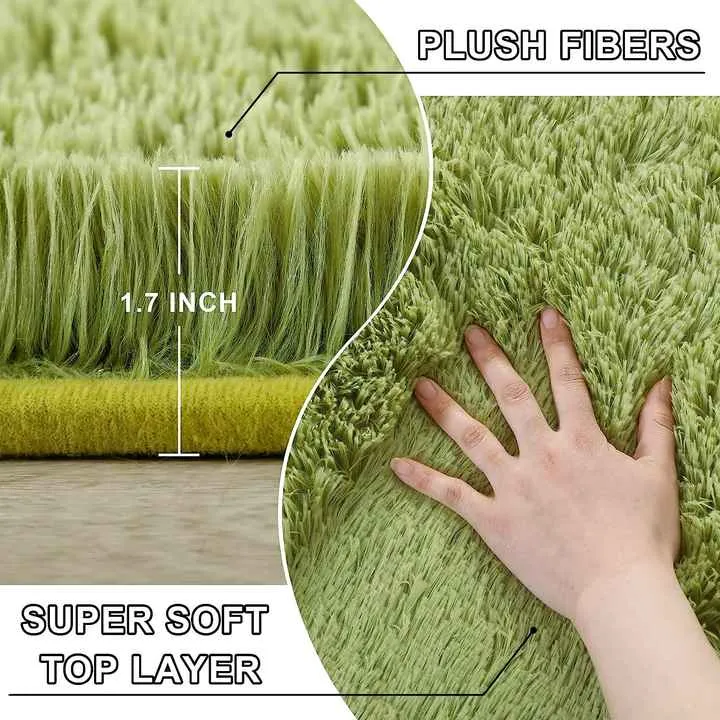
The primary constituent of lavender faux fur rugs is typically polypropylene (PP) or polyester (PET) microfibers. Polypropylene is favored for its inherent softness, resistance to staining, and lower cost, although it exhibits lower UV resistance compared to polyester. Polyester offers superior UV stability and resilience, but may feel less inherently soft. The dyeing process is crucial, utilizing solution dyeing or pigment printing to achieve the lavender hue. Solution dyeing involves adding pigment to the molten polymer before fiber extrusion, resulting in excellent colorfastness. Pigment printing applies pigment to the finished fiber surface, which is less durable but offers greater flexibility in design. The backing material typically consists of felt (often a blend of polyester and polypropylene), jute, or a non-woven fabric, providing structural integrity. Manufacturing processes include fiber extrusion, crimping (to create a more natural texture), cutting to specified pile lengths, and tufting or weaving the fibers into the backing material. Critical parameters during manufacturing include fiber denier (lower denier = finer fiber = softer feel), pile density (fibers per unit area – higher density = more luxurious feel), and backing weight (influences durability and slip resistance). Adhesive application (if used) must be carefully controlled to prevent migration and discoloration. Quality control focuses on color consistency, pile height uniformity, and adhesion strength.
Performance & Engineering
Performance analysis of lavender faux fur rugs centers on assessing tactile comfort, durability, and safety. Tactile comfort is quantified through pile height, fiber softness (determined by fiber denier and crimp), and bulk (volume occupied by the fibers). Durability is assessed through abrasion resistance (Taber abrasion test – measures fiber loss under repeated rubbing), tensile strength (measures resistance to tearing), and pile retention (ability of fibers to remain embedded in the backing). Environmental resistance is critical, particularly concerning flammability. Faux fur rugs must meet flammability standards (see Standards & Regulations). Static build-up is a common concern; antistatic treatments are often applied to reduce static cling. Force analysis under load reveals deformation characteristics; higher pile densities and backing weights provide greater resistance to compression. Compliance requirements include VOC emission limits (volatile organic compounds) to ensure indoor air quality and restrictions on certain dyes and chemicals (e.g., azo dyes). Slip resistance is evaluated using standard friction tests (e.g., ASTM D2047) to minimize the risk of falls. The rug’s dimensional stability is critical. Shrinkage or expansion due to changes in humidity or temperature can lead to warping or buckling.
Technical Specifications
| Parameter | Polypropylene (PP) | Polyester (PET) | Typical Range |
|---|---|---|---|
| Fiber Denier (dtex) | 20-80 | 30-120 | 40-100 |
| Pile Height (mm) | 25-60 | 25-60 | 30-50 |
| Pile Density (g/m²) | 800-2000 | 1000-2500 | 1200-2200 |
| Backing Weight (g/m²) | 150-300 | 150-300 | 200-280 |
| Tensile Strength (N/5cm) | 10-25 | 15-35 | 12-30 |
| Abrasion Resistance (cycles to wear) | 500-1500 | 800-2000 | 600-1800 |
Failure Mode & Maintenance
Lavender faux fur rugs are susceptible to several failure modes. Pile shedding is common, particularly with lower-quality rugs, due to insufficient fiber anchoring. Matting occurs when fibers become compressed and lose their upright posture, typically in high-traffic areas. Fiber breakage results from repeated stress and abrasion, leading to a thinning of the pile. Color fading is prevalent with prolonged UV exposure, especially with polypropylene fibers. Backing delamination occurs when the adhesive bond between the fibers and the backing material fails. Static cling can attract dust and debris, altering the rug’s appearance. Maintenance recommendations include regular vacuuming (using a brush attachment to avoid damaging the fibers), spot cleaning with a mild detergent and water, and avoiding prolonged direct sunlight. Professional cleaning is recommended for deep cleaning and stain removal. To mitigate failure modes, avoid placing heavy furniture directly on the rug and rotate the rug periodically to distribute wear evenly. For significant delamination, professional re-gluing may be possible, though the long-term effectiveness is uncertain. Proper storage in a cool, dry, and dark environment is essential to prevent degradation.
Industry FAQ
Q: What is the primary difference between polypropylene and polyester faux fur, and how does it impact rug performance?
A: Polypropylene offers a softer hand-feel and generally a lower price point, but it’s less resistant to UV degradation and abrasion than polyester. Polyester maintains its color and structural integrity better over time, especially in sunlit environments, but may initially feel slightly less soft. The choice depends on the intended application and budget. For high-traffic areas or rooms with significant sunlight exposure, polyester is the preferred option.
Q: How does pile density affect the durability and perceived quality of the rug?
A: Higher pile density (grams per square meter) generally equates to a more luxurious feel and increased durability. More fibers per unit area distribute wear more effectively, reducing the likelihood of pile shedding and matting. However, extremely high pile densities can also make the rug more difficult to clean.
Q: What flammability standards are typically applicable to faux fur rugs?
A: Faux fur rugs must typically meet the flammability requirements of standards like California Proposition 65 (regarding flame retardant chemicals) and pass tests such as the DOC FF 1-70 (pill test) and the UFAC Class 1 or Class II flammability tests. Compliance documentation from the manufacturer is crucial.
Q: What are the implications of using a different backing material (felt vs. jute vs. non-woven) on the rug's performance?
A: Felt provides good cushioning and is relatively inexpensive, but it’s prone to compression over time. Jute is more durable and eco-friendly but can be rougher to the touch and may shed. Non-woven fabrics offer a balance of durability, cost-effectiveness, and softness, and are often treated for enhanced slip resistance.
Q: How can static build-up be minimized in faux fur rugs, and what are the potential consequences of unchecked static?
A: Static build-up can be minimized through the application of antistatic treatments during manufacturing. Regular use of a humidifier can also help. Unchecked static attracts dust, debris, and pet hair, making the rug appear dirty and potentially causing discomfort. In extreme cases, static discharge can damage sensitive electronic equipment.
Conclusion
Lavender faux fur rugs offer a versatile and aesthetically pleasing flooring solution, contingent upon a nuanced understanding of material science and manufacturing processes. The choice between polypropylene and polyester fibers dictates the balance between cost, softness, and durability, while pile density and backing material selection influence performance characteristics like abrasion resistance and structural integrity. Addressing potential failure modes, such as pile shedding and color fading, through proper maintenance and material selection is crucial for maximizing product lifespan.
Continued innovation in fiber technology, dyeing techniques, and backing materials will drive further improvements in the performance and sustainability of lavender faux fur rugs. Future research should focus on developing bio-based synthetic fibers and more environmentally friendly dyeing processes. Furthermore, enhanced quality control measures throughout the supply chain are essential to ensure consistent product quality and adherence to relevant safety and environmental standards.