

light grey fur rug Performance Analysis
Introduction
Light grey fur rugs represent a significant segment within the broader decorative floor covering industry. These rugs, typically constructed from synthetic fibers mimicking natural animal fur, are positioned as a cost-effective and ethically sourced alternative to genuine fur. Their primary function is aesthetic – providing warmth, texture, and a luxurious feel to interior spaces. Performance characteristics center on pile density, fiber type (primarily polyester and acrylic), backing material durability, and colorfastness. The industry faces increasing scrutiny regarding material sustainability, manufacturing processes (specifically volatile organic compound emissions), and consumer expectations for longevity and ease of maintenance. The product’s position in the supply chain involves raw material production (polymer synthesis), fiber extrusion, rug weaving or knitting, dyeing, finishing, and distribution. Core performance is assessed through metrics like pile height, weight, abrasion resistance, and flammability.
Material Science & Manufacturing
The predominant raw materials for light grey fur rugs are polyester and acrylic fibers. Polyester, a thermoplastic polymer derived from petroleum, offers good resilience, stain resistance, and affordability. Acrylic, also a synthetic polymer, provides a softer texture more closely resembling natural fur, but typically has lower abrasion resistance. Pile fiber denier (fineness) generally ranges from 800 to 3000, influencing the rug’s softness and density. Backing materials include jute, polypropylene, and felt, selected for their structural integrity and cost-effectiveness. Manufacturing processes typically involve fiber extrusion, followed by tufting or weaving to create the pile. Tufting is more common for higher pile depths, while weaving provides greater structural stability. Dyeing is crucial for achieving the desired light grey shade, often employing solution dyeing (adding pigment during fiber extrusion) or yarn dyeing. Finishing processes include brushing, shearing, and backing application. Critical parameter control during manufacturing involves consistent fiber denier, accurate dye bath formulations (to ensure uniform color), proper tufting gauge and loop pile height, and effective adhesion between the pile and backing. Chemical compatibility between fibers, dyes, and backing materials is vital to prevent delamination or color bleeding. The use of flame retardants is also common to meet flammability standards.
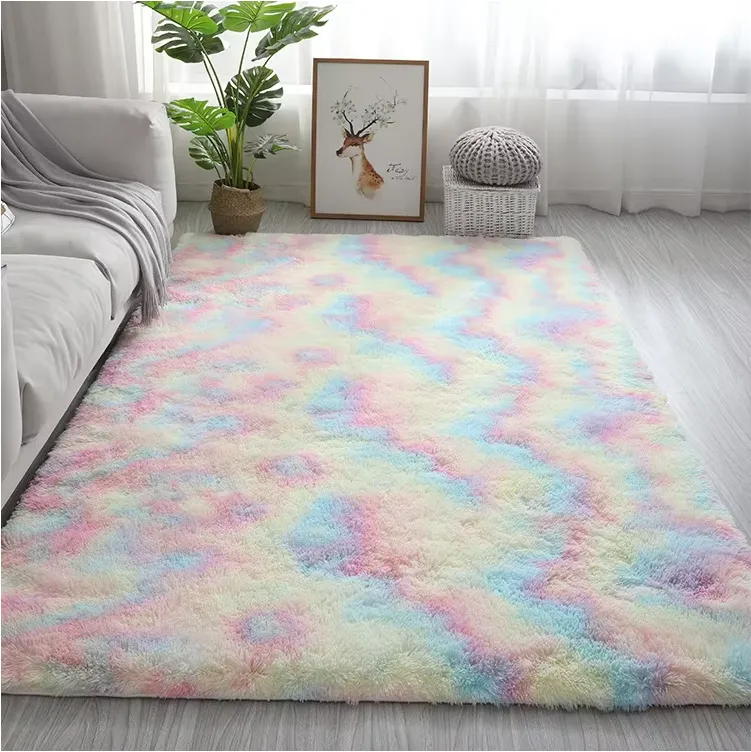
Performance & Engineering
The performance of a light grey fur rug is dictated by several engineering principles. Pile height and density contribute to the rug’s thermal insulation properties and underfoot comfort. Force analysis considers the compressive strength of the pile fibers, their ability to recover from deformation (resilience), and the shear strength of the fiber-backing interface. Environmental resistance concerns include UV degradation (causing color fading), moisture absorption (leading to mold growth), and abrasion resistance (affecting pile longevity). Compliance requirements include flammability standards (such as California Proposition 65 for VOC emissions and fire safety), lead content regulations, and labeling requirements. Functional implementation demands consideration of slip resistance (achieved through backing materials and surface treatments) and dimensional stability (preventing shrinkage or stretching). Furthermore, the rug’s ability to withstand repeated foot traffic and furniture placement without significant pile compression or fiber shedding is a key performance indicator. The long-term performance relies on the chemical bonding of the fibers, the backing material's resistance to moisture and decay, and the dye's ability to retain its color under exposure to light and cleaning agents.
Technical Specifications
| Parameter | Units | Typical Value (Polyester) | Typical Value (Acrylic) |
|---|---|---|---|
| Pile Height | mm | 25-50 | 30-60 |
| Pile Weight | g/m² | 800-1500 | 600-1200 |
| Fiber Denier | dtex | 800-2000 | 800-3000 |
| Abrasion Resistance (Taber Abrasion) | Cycles to Wear | 10,000-20,000 | 5,000-10,000 |
| Colorfastness to Light | Grey Scale Rating | 4-5 | 3-4 |
| Moisture Absorption | % Weight Gain | 0.5-1.0 | 1.0-2.0 |
Failure Mode & Maintenance
Common failure modes for light grey fur rugs include pile shedding, matting (loss of pile resilience), color fading, and delamination of the pile from the backing. Pile shedding typically arises from fiber breakage due to abrasion and repeated foot traffic. Matting occurs due to plastic deformation of the fibers under sustained pressure. Color fading is caused by UV degradation, particularly in rugs exposed to direct sunlight. Delamination results from inadequate adhesion between the pile and backing, often exacerbated by moisture exposure. Oxidation of the polymer fibers can also lead to brittleness and cracking over time. Preventive maintenance includes regular vacuuming (using a suction-only nozzle to avoid snagging), spot cleaning with mild detergents, and avoidance of prolonged exposure to direct sunlight. Professional cleaning is recommended every 12-18 months. In cases of delamination, adhesive re-application may provide a temporary solution, but complete replacement is often necessary. To mitigate failure, consider a rug pad to reduce abrasion and provide cushioning, and rotate the rug periodically to distribute wear evenly. For significant staining, prompt attention with appropriate stain removal agents is critical to prevent permanent discoloration.
Industry FAQ
Q: What is the primary difference between polyester and acrylic fur rugs in terms of longevity?
A: Polyester generally exhibits superior abrasion resistance compared to acrylic. This translates to a longer lifespan, particularly in high-traffic areas. While acrylic offers a softer texture initially, it is more prone to fiber breakage and matting over time, leading to a reduced aesthetic appeal and functional performance.
Q: How can I prevent color fading in a light grey fur rug?
A: Minimizing exposure to direct sunlight is crucial. Use curtains or blinds to filter UV radiation. Rotating the rug periodically will distribute light exposure evenly. Consider applying a UV protectant spray specifically designed for synthetic fibers, though its effectiveness varies.
Q: What type of backing material offers the best resistance to moisture damage?
A: Polypropylene backing offers the highest resistance to moisture. Jute, while more environmentally friendly, is susceptible to mold and mildew growth if exposed to prolonged moisture. Felt backings offer moderate resistance but can compress over time.
Q: Are there any specific cleaning agents I should avoid when cleaning a light grey fur rug?
A: Avoid harsh chemicals, bleach, and solvents, as these can damage the fibers and cause discoloration. Strong alkaline cleaners can also break down the polymer structure. Use a mild detergent specifically formulated for synthetic rugs, and always test in an inconspicuous area first.
Q: What is the significance of pile density in relation to rug performance?
A: Higher pile density generally equates to increased comfort, improved thermal insulation, and greater durability. A denser pile provides better support and resilience, resisting compression and maintaining its appearance for a longer period. However, extremely dense piles can be more difficult to clean effectively.
Conclusion
Light grey fur rugs, while offering an aesthetic and economical alternative to natural fur, demand a thorough understanding of material science, manufacturing processes, and potential failure modes. The choice between polyester and acrylic fibers dictates performance characteristics like abrasion resistance, colorfastness, and texture. Maintaining longevity requires diligent maintenance practices, including regular vacuuming, prompt stain removal, and protection from UV exposure.
Future developments in this sector will likely focus on sustainable materials, such as recycled polyester and bio-based polymers. Improved manufacturing techniques, like enhanced fiber bonding and advanced dyeing processes, will further enhance the performance and durability of these rugs. Continued innovation in backing materials will also be essential to address concerns regarding moisture resistance and structural integrity, aligning with consumer demand for higher-quality, longer-lasting products.