


long faux sheepskin rug Performance Analysis
Introduction
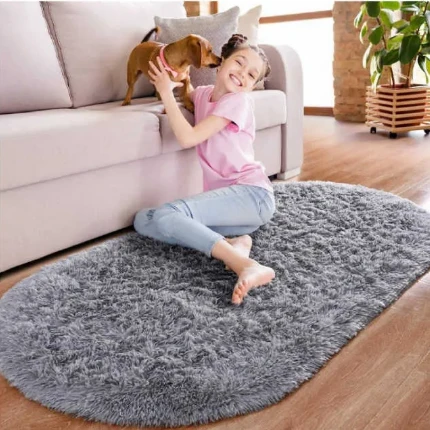
Long faux sheepskin rugs represent a significant segment within the broader decorative textile industry, serving as an alternative to natural sheepskin due to cost, ethical considerations, and ease of maintenance. These rugs are typically employed in residential and light commercial settings, providing aesthetic warmth and a perceived sense of luxury. Their construction relies heavily on synthetic fiber technology, specifically focusing on replicating the tactile qualities and visual appearance of genuine sheepskin. The core performance characteristics—softness, density, pile height, and durability—are dictated by the specific polymers used, the manufacturing techniques employed, and the quality control measures implemented. This guide provides a comprehensive technical overview of long faux sheepskin rugs, encompassing material science, manufacturing processes, performance considerations, failure modes, and relevant industry standards. The industry faces persistent challenges in balancing aesthetic appeal with long-term durability, resistance to wear and tear, and minimizing environmental impact through sustainable material sourcing and production practices.
Material Science & Manufacturing
The primary raw materials for long faux sheepskin rugs are synthetic fibers, predominantly utilizing acrylic, polyester (specifically micro-polyester), and polypropylene. Acrylic fibers offer a high degree of softness and a wool-like texture, making them a common choice for replicating the feel of sheepskin. However, acrylic suffers from lower abrasion resistance and a propensity to pill. Polyester, particularly micro-polyester, provides improved durability and resilience, although achieving the same level of softness as acrylic requires specialized fiber denier and processing techniques. Polypropylene is favored for its cost-effectiveness and stain resistance, but typically exhibits a lower level of tactile comfort.
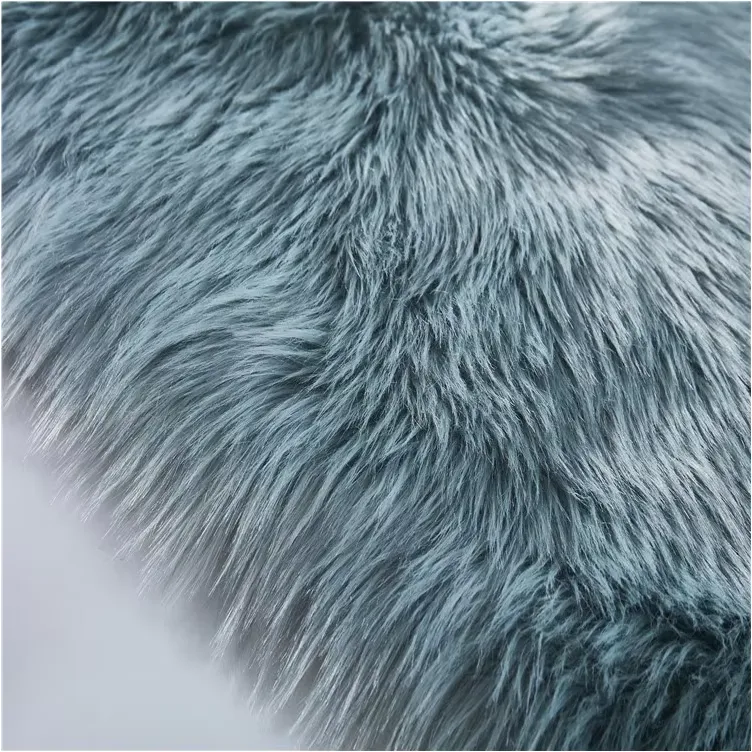
Manufacturing typically begins with the production of these synthetic fibers through melt spinning or dry spinning processes. The fibers are then processed into a yarn with a specific denier (weight per unit length) and crimp (wave-like structure) to impart bulk and texture. The rug construction itself is primarily achieved through two methods: tufting and weaving. Tufting involves inserting loops of yarn into a primary backing material (typically polypropylene or jute) and securing them with a secondary backing material, often a latex or polyurethane coating. Weaving, while less common for large faux sheepskin rugs due to cost considerations, involves interlacing warp and weft yarns to create a more durable and intricate pile. Pile height is a critical parameter, typically ranging from 20mm to 60mm, directly influencing the perceived softness and aesthetic appearance. Dyeing is usually performed on the fiber before tufting or weaving to ensure consistent color throughout the pile. Post-processing often includes shearing or carving to create specific patterns or textures, mimicking the natural variation found in sheepskin. Key parameter control includes monitoring fiber denier, yarn twist, loop density, and backing material adhesion to ensure consistent product quality.
Performance & Engineering
The performance of a long faux sheepskin rug is dictated by several key engineering factors. Shear strength of the pile is critical for resisting matting and maintaining aesthetic appearance. This is directly correlated to the fiber type (polyester generally exhibiting higher shear strength than acrylic) and yarn twist. Tensile strength, particularly of the backing materials, determines the rug’s resistance to tearing and delamination. Force analysis under simulated foot traffic conditions is often employed to predict long-term durability. Environmental resistance is a crucial consideration. Exposure to ultraviolet (UV) radiation can cause fading and degradation of the synthetic fibers, particularly acrylic. Therefore, UV stabilizers are often incorporated into the fiber formulation. Moisture resistance is also important, as prolonged exposure to moisture can promote microbial growth and compromise the structural integrity of the backing materials.
Compliance requirements vary depending on the intended market. In the US, the Federal Flammability Standard (16 CFR Part 1610) dictates flammability performance. In the EU, EN 13501-1 addresses fire classification. Many manufacturers also voluntarily adhere to OEKO-TEX Standard 100, ensuring the absence of harmful substances. The functional implementation involves carefully considering the end-use environment. Rugs intended for high-traffic areas require higher pile density and more durable backing materials. Rugs intended for use in children’s rooms must meet stricter flammability and chemical safety standards. The rug's dimensional stability is also critical. Excessive shrinkage or stretching post-manufacture can lead to buckling or distortion.
Technical Specifications
| Parameter | Acrylic Fiber | Micro-Polyester Fiber | Polypropylene Fiber | Typical Value (Long Faux Sheepskin Rug) |
|---|---|---|---|---|
| Fiber Denier (dtex) | 1.5 - 3 | 0.8 - 1.5 | 2 - 4 | 1.5 - 2.5 |
| Pile Height (mm) | 20 - 60 | 20 - 60 | 20 - 50 | 40 - 50 |
| Pile Weight (g/m²) | 800 - 1500 | 1200 - 2000 | 600 - 1200 | 1400 - 1800 |
| Tensile Strength (N/cm) | 3 - 5 | 5 - 8 | 4 - 6 | 6 - 7 |
| UV Resistance (Rating 1-5, 5=Excellent) | 2 | 3 | 3 | 3 (with UV Stabilizer) |
| Moisture Absorption (%) | 3 - 5 | 0.5 - 1 | 0.1 - 0.5 | 0.8 - 1.2 |
Failure Mode & Maintenance
Long faux sheepskin rugs are susceptible to several failure modes. Pilling is a common issue, particularly with acrylic fibers, resulting from the abrasion of loose fibers on the surface. Matting occurs when the pile fibers become compressed and lose their resilience, typically due to heavy foot traffic. Delamination refers to the separation of the pile from the backing material, often caused by adhesive failure or physical stress. Fading is a result of UV exposure, leading to color loss and a diminished aesthetic appearance. Fiber breakage can occur due to repeated bending and flexing, reducing pile density and overall durability. Microbial growth can develop in humid environments, particularly if the rug is exposed to spills or moisture, resulting in unpleasant odors and potential structural damage.
Professional maintenance involves regular vacuuming to remove loose dirt and debris. Spot cleaning should be performed immediately to prevent stains from setting. Avoid harsh chemicals or abrasive cleaners, as these can damage the synthetic fibers. For deeper cleaning, professional rug cleaning services are recommended. Periodic rotation of the rug can help distribute wear evenly. To mitigate pilling, a fabric shaver can be used to remove loose fibers. Protecting the rug from direct sunlight can help prevent fading. Addressing spills promptly and thoroughly is crucial to prevent microbial growth and staining. Storing the rug in a dry, well-ventilated area when not in use is also recommended. Inspecting the backing for signs of delamination and repairing minor issues promptly can extend the rug’s lifespan.
Industry FAQ
Q: What is the primary difference in longevity between an acrylic and polyester faux sheepskin rug?
A: Polyester faux sheepskin rugs generally exhibit superior longevity compared to acrylic rugs. While acrylic provides a softer initial hand feel, polyester possesses significantly better abrasion resistance, tensile strength, and resilience, leading to less pilling and matting over time. The typical lifespan of a polyester rug is 5-7 years with moderate use, while an acrylic rug may show significant wear within 3-5 years.
Q: How does the backing material affect the overall performance of the rug?
A: The backing material is crucial for structural integrity. Polypropylene backings offer good moisture resistance and are cost-effective. Jute backings are more breathable but susceptible to moisture damage and mold growth. Latex or polyurethane coatings provide better adhesion between the pile and the backing, enhancing durability and preventing delamination. The weight and density of the backing material also influence the rug’s overall stability and resistance to deformation.
Q: What flammability standards are most relevant for faux sheepskin rugs intended for residential use in the US?
A: The most relevant flammability standard in the US is 16 CFR Part 1610, which establishes performance requirements for the flammability of carpets and rugs. This standard focuses on assessing the rate of flame spread and the generation of smoke. Compliance with this standard is mandatory for rugs sold in the US.
Q: What is the impact of pile height on cleaning and maintenance requirements?
A: Higher pile heights (e.g., >50mm) tend to trap more dirt and debris, requiring more frequent and thorough vacuuming. They can also be more challenging to spot clean, as spills may penetrate deeper into the pile. Lower pile heights (e.g., <30mm) are easier to clean and maintain, but may not provide the same level of plush comfort.
Q: Are there any environmentally friendly alternatives to traditional petroleum-based synthetic fibers used in faux sheepskin rugs?
A: While the majority of faux sheepskin rugs utilize petroleum-based fibers, there is growing interest in recycled polyester options (rPET) derived from post-consumer plastic bottles. These materials offer a lower environmental footprint compared to virgin polyester. Bio-based alternatives, such as fibers derived from corn starch or sugarcane, are also being explored, but are not yet widely available for high-volume rug production.
Conclusion
Long faux sheepskin rugs represent a versatile and cost-effective alternative to natural sheepskin, offering a range of aesthetic and functional benefits. Their performance is inextricably linked to the careful selection of synthetic fibers – acrylic, polyester, and polypropylene – and the precise control of manufacturing parameters. Understanding the specific properties of each material, the nuances of tufting and weaving techniques, and the relevant industry standards is critical for ensuring product quality, durability, and compliance. Addressing industry pain points concerning UV resistance, pilling, and delamination through advanced fiber formulations and improved manufacturing processes remains a key area of focus for innovation.
Looking forward, the industry is likely to see increased adoption of recycled and bio-based materials, driven by growing consumer demand for sustainable products. Further research into improving the abrasion resistance of acrylic fibers and enhancing the stain resistance of polyester will also be crucial. The development of more robust and environmentally friendly backing materials will play a significant role in extending the lifespan and reducing the environmental impact of long faux sheepskin rugs. Continued emphasis on rigorous quality control and adherence to evolving safety regulations will be paramount for maintaining consumer confidence and establishing long-term market viability.