


long fur carpet Performance Analysis
Introduction
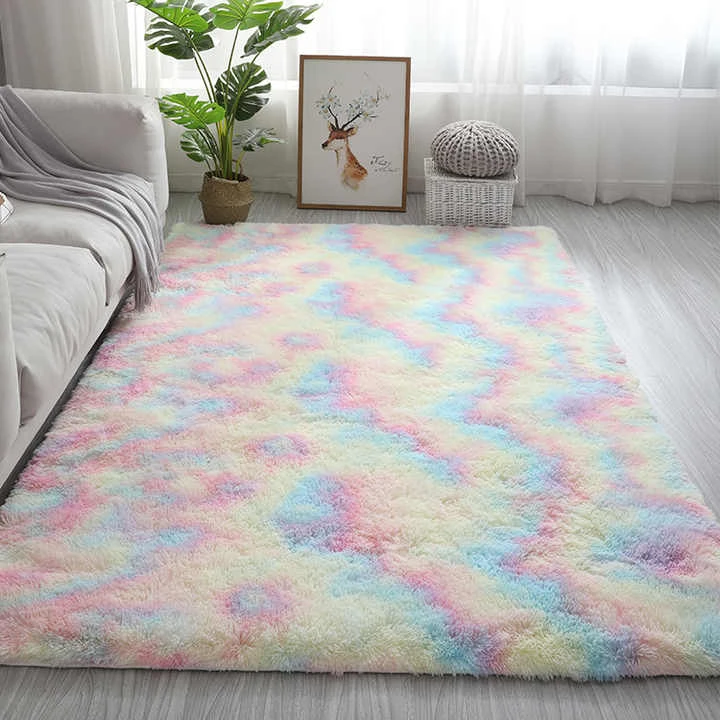
Long fur carpet, characterized by its extended pile height and dense fiber construction, represents a specific segment within the broader floor covering industry. Technically positioned as a luxury and comfort-focused product, it differs significantly from low-pile, cut-and-loop, or woven carpets. Its position in the supply chain begins with raw material sourcing (typically synthetic polymers like polypropylene, acrylic, or polyester), followed by fiber extrusion, yarn formation, tufting/weaving, and finishing processes. Core performance attributes center around tactile comfort, aesthetic appeal, and thermal insulation. However, these benefits are offset by inherent challenges related to cleanability, durability under heavy traffic, and potential shedding. Understanding these trade-offs is critical for appropriate application and long-term performance. The industry currently faces increasing pressure to incorporate recycled materials and reduce the environmental impact of production processes, impacting fiber selection and manufacturing methodologies.
Material Science & Manufacturing
The dominant raw materials in long fur carpet production are synthetic polymers. Polypropylene (PP) is prevalent due to its cost-effectiveness, inherent stain resistance, and relatively good resilience. However, PP exhibits lower UV resistance and can be prone to matting. Acrylic fibers offer a wool-like hand feel and superior dyeability but lack the robustness of polypropylene. Polyester (PET) provides a balance of durability, stain resistance, and cost, and increasingly incorporates recycled content. Nylon, though less common in long fur due to cost, provides exceptional abrasion resistance. Fiber production involves melt extrusion, where polymer pellets are heated and forced through spinnerets to create filaments. These filaments are then drawn (stretched) to increase tensile strength and oriented for improved resilience. Yarn formation utilizes techniques such as twisting or bulking to impart texture and bulk. The core manufacturing process is typically tufting, where yarns are inserted into a primary backing material (often polypropylene or jute). This is followed by latex coating to secure the tufts and a secondary backing for added stability and cushioning. Critical process parameters include pile height (typically exceeding 38mm), yarn density (stitches per inch), latex weight, and backing material composition. Control of these parameters directly influences carpet performance, including pile recovery, wear resistance, and dimensional stability. Improper latex curing can lead to delamination, while inconsistent yarn density results in uneven pile appearance and potential premature wear.
Performance & Engineering
The performance of long fur carpet is governed by several key engineering principles. Pile height directly influences compression resistance and perceived softness; higher piles offer greater comfort but are more susceptible to flattening under load. Yarn denier (thickness) impacts durability; thicker yarns exhibit higher wear resistance. The carpet's resilience, or its ability to recover from compression, is a critical performance indicator. This is determined by fiber properties and yarn construction. Force analysis reveals that long fur carpets experience shear forces during foot traffic, leading to fiber bending and potential breakage. Environmental resistance is paramount. Moisture absorption can lead to mildew growth and fiber degradation, making stain resistance (typically achieved through chemical treatments) crucial. UV exposure, particularly in areas with direct sunlight, can cause color fading and fiber embrittlement. Fire resistance is a compliance requirement governed by standards like NFPA 253 (USA) and EN 13501-1 (Europe). These standards dictate flammability testing and require carpets to meet specific smoke development and flame spread criteria. Dimensional stability, preventing shrinkage or stretching, is maintained through the use of stable backing materials and proper manufacturing tension control. Static electricity build-up, common with synthetic fibers, is addressed through the incorporation of conductive fibers or antistatic treatments.
Technical Specifications
| Parameter | Unit | Typical Value (Range) | Test Method |
|---|---|---|---|
| Pile Height | mm | 40-60 | ASTM D598 |
| Pile Density | stitches/10cm | 8-12 | ASTM D418 |
| Yarn Material | - | Polypropylene, Polyester, Acrylic | Visual Inspection & Fiber Analysis |
| Yarn Denier | dtex | 800-1500 | ASTM D129 |
| Total Weight | g/m² | 1200-2000 | ASTM D3891 |
| Backing Material | - | Polypropylene, Jute | Visual Inspection & Composition Analysis |
| Dimensional Stability (Change in length after washing) | % | ≤ 2.0 | ISO 23998 |
Failure Mode & Maintenance
Long fur carpet is susceptible to several failure modes. Fiber Fatigue: Repeated compression and flexing lead to fiber breakage, resulting in pile loss and a worn appearance. Matting: Heavy foot traffic causes the pile to lay down, reducing resilience and creating dark areas. Shedding: Loose fibers released during manufacturing and initial use accumulate on the surface, requiring frequent vacuuming. Delamination: Loss of adhesion between the pile fibers and the backing material, caused by improper latex curing or prolonged moisture exposure. Staining: Spills and dirt penetrate the pile, requiring prompt cleaning. Oxidation: UV exposure degrades the polymer chains, leading to color fading and fiber embrittlement. Preventative maintenance is crucial. Regular vacuuming (at least twice weekly) removes dirt and debris, minimizing abrasion. Prompt stain removal with appropriate cleaning agents prevents permanent discoloration. Professional deep cleaning every 12-18 months restores pile resilience and removes embedded dirt. Rotate area rugs to distribute wear evenly. Avoid excessive moisture exposure. In cases of delamination, professional re-gluing may be possible, but complete replacement is often necessary. For significant matting, pile lifting techniques can temporarily improve appearance, but the underlying damage remains. Avoid harsh chemicals or abrasive cleaning tools that can damage the fibers.
Industry FAQ
Q: What is the primary difference between polypropylene and polyester long fur carpet in terms of durability?
A: While both are cost-effective, polyester generally exhibits slightly better resilience and recovery from compression compared to polypropylene. However, polypropylene is inherently more stain-resistant. In heavy-traffic areas, polyester might maintain its appearance for a longer period, resisting matting better than polypropylene. The choice depends on the balance of stain resistance and wear resistance required for the application.
Q: How does the backing material influence the long-term performance of long fur carpet?
A: The backing provides structural integrity. Polypropylene backings offer excellent moisture resistance but can be less dimensionally stable. Jute backings are more breathable and environmentally friendly but are susceptible to moisture damage and rot. A properly applied latex adhesive is crucial for bonding the pile fibers to the backing, preventing delamination. Higher-quality backings and latex formulations contribute significantly to carpet lifespan.
Q: What flammability standards are typically applied to long fur carpet?
A: In the United States, NFPA 253 (Standard Methods for Fire Tests of Carpet) is a common requirement. In Europe, EN 13501-1 (Fire classification of building products and building elements) is the prevailing standard. These standards assess flame spread, smoke development, and heat release. Carpets must meet specific classifications to be considered compliant for use in various building types.
Q: Is it possible to repair significant matting in long fur carpet?
A: While temporary improvement can be achieved through pile lifting techniques (using specialized grooming tools), significant matting indicates permanent fiber deformation. These techniques redistribute the fibers but don't restore their original resilience. Complete restoration is generally not feasible, and replacement is often the most effective long-term solution.
Q: What is the environmental impact of long fur carpet production, and are there sustainable alternatives?
A: Traditional long fur carpet relies heavily on petroleum-based synthetic polymers. Production generates waste and consumes energy. Sustainable alternatives include carpets made from recycled PET (plastic bottles) or bio-based polymers. Utilizing jute backing instead of synthetic options reduces reliance on fossil fuels. Furthermore, responsible manufacturing processes that minimize waste and energy consumption are crucial for reducing the overall environmental footprint.
Conclusion
Long fur carpet represents a specialized flooring solution prioritizing comfort and aesthetic appeal. Its performance characteristics are fundamentally linked to the selection of raw materials—primarily synthetic polymers—and the precision of manufacturing processes, notably tufting and latex application. Understanding the interplay between pile height, yarn denier, and backing material is critical for predicting durability and resistance to environmental factors. Failure modes commonly arise from fiber fatigue, delamination, and staining, necessitating proactive maintenance strategies.
The future of long fur carpet lies in embracing sustainable practices. The increased use of recycled materials, development of bio-based polymers, and implementation of closed-loop manufacturing systems will be essential for mitigating its environmental impact. Further research into fiber treatments and backing technologies will improve stain resistance, durability, and overall performance, solidifying its position within the evolving floor covering industry.