

lux rabbit faux fur rug Performance Analysis
Introduction
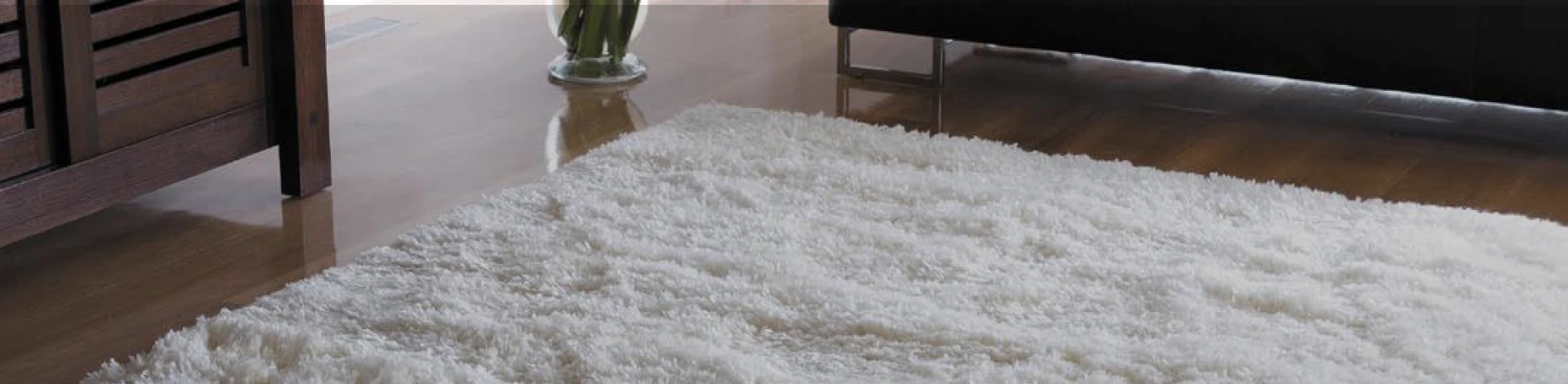
The lux rabbit faux fur rug represents a significant advancement in synthetic floor coverings, offering a plush and aesthetically pleasing alternative to natural animal hides. Positioned within the broader home furnishings industry, specifically the rug and carpet sector, it bridges the gap between luxury and ethical sourcing. Its core performance characteristics revolve around simulating the tactile qualities of rabbit fur—softness, density, and visual warmth—while offering enhanced durability, ease of maintenance, and cost-effectiveness. The rug’s construction utilizes advanced polymer fiber technology, designed to mimic the natural fiber structure of rabbit fur, creating a product suitable for a variety of residential and commercial applications. A key industry pain point addressed by this product is the consumer demand for luxury materials without the associated ethical concerns or high cost of genuine fur. Furthermore, the rug offers improved consistency in texture and coloration compared to natural hides, addressing quality control challenges often encountered in traditional manufacturing.
Material Science & Manufacturing
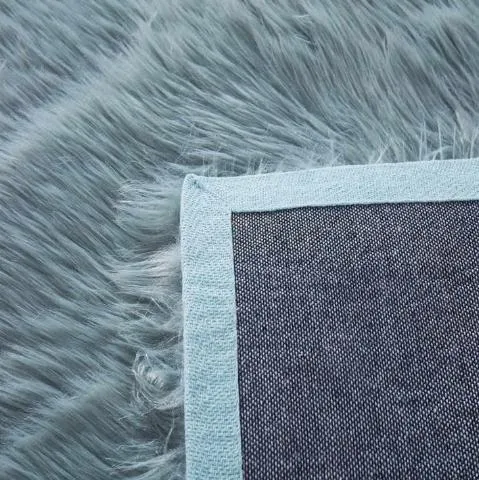
The foundation of the lux rabbit faux fur rug lies in the selection of synthetic polymers. Predominantly, the “fur” fibers are composed of modacrylic or acrylic fibers, chosen for their inherent softness, bulk, and dyeability. Modacrylic fibers, a copolymer of acrylonitrile and methyl acrylate, offer flame retardancy and excellent resistance to pilling, crucial for maintaining aesthetic appeal and safety. Acrylic fibers, derived from acrylonitrile, provide a cost-effective alternative with good colorfastness and UV resistance. The backing material is typically constructed from polypropylene or polyester, chosen for their durability, dimensional stability, and resistance to moisture. The manufacturing process begins with fiber extrusion, where the polymer pellets are melted and forced through spinnerets to create continuous filaments. These filaments are then crimped to enhance bulk and tactile properties, mimicking the natural wave of rabbit fur. The crimped fibers are subsequently cut to a specific length, typically ranging from 30-50mm, to achieve the desired pile height. The pile is then woven or tufted into a backing material. Tufting involves inserting the fibers into the backing using needles, creating a dense pile. Woven construction, while less common for faux fur, offers increased durability and pattern complexity. A crucial parameter is pile density, measured in ounces per square yard (oz/yd²), directly impacting the rug’s perceived luxury and durability. Dyeing occurs either before or after tufting/weaving, utilizing reactive dyes to ensure colorfastness and vibrant hues. A final finishing process involves shearing the pile to achieve a uniform height and brushing to enhance the softness and fluffiness. Quality control at each stage, including fiber tensile strength testing and color matching, is critical for ensuring consistent product performance.
Performance & Engineering
The performance of the lux rabbit faux fur rug is determined by several key engineering considerations. Force analysis focuses on the pile’s resilience and recovery, crucial for maintaining its plush appearance under foot traffic. This is quantified by measuring pile compression and rebound characteristics using standardized testing methods. Environmental resistance is paramount, particularly concerning moisture absorption and UV degradation. Polypropylene and polyester backing materials provide excellent resistance to moisture, preventing mold and mildew growth. However, the acrylic or modacrylic fibers themselves can be susceptible to UV degradation over prolonged exposure to sunlight, leading to fading and embrittlement. UV stabilizers are often incorporated into the fiber formulation to mitigate this effect. Compliance requirements vary by region but generally encompass flammability standards (e.g., California Proposition 65 for VOC emissions, and European EN 14041 for flammability). The rug’s construction must meet these standards to ensure consumer safety. Furthermore, the rug’s dimensional stability is crucial to prevent warping or shrinkage over time. This is assessed through repeated washing and drying cycles under controlled conditions. The backing material's tensile strength and elongation properties are critical parameters influencing the rug’s ability to withstand stress and strain. Slip resistance is also an important consideration, often enhanced by applying a latex or PVC backing to prevent movement on smooth floor surfaces.
Technical Specifications
| Parameter | Units | Typical Value | Testing Standard |
|---|---|---|---|
| Pile Fiber Composition | % | Modacrylic/Acrylic Blend (80/20) | ASTM D2411 |
| Pile Height | mm | 35-40 | ASTM D5931 |
| Pile Density | oz/yd² | 1200-1800 | ASTM D5931 |
| Backing Material | - | Polypropylene/Polyester | ASTM D3801 |
| Tensile Strength (Backing) | lbs | >150 (Warp & Weft) | ASTM D4595 |
| Colorfastness to Light | Rating (1-5) | 4-5 (Grey Scale) | ISO 105-B02 |
Failure Mode & Maintenance
Several failure modes can affect the longevity of the lux rabbit faux fur rug. Pilling, the formation of small fiber balls on the surface, is a common occurrence, particularly with acrylic fibers. This is caused by fiber abrasion during use and can be minimized through proper fiber selection and the use of anti-pilling treatments. Matting, a reduction in pile height and density, results from fiber compression under sustained load. Regular fluffing and vacuuming can help restore pile loft. Fiber breakage and shedding can occur due to mechanical stress or UV degradation. The use of UV stabilizers in the fiber formulation mitigates UV damage, while avoiding excessive stretching or pulling can prevent mechanical breakage. Color fading, as previously mentioned, is a consequence of UV exposure and can be minimized through the use of UV-resistant dyes and limiting direct sunlight exposure. Delamination, the separation of the pile from the backing, is a more serious failure mode typically caused by adhesive failure or physical damage. Proper bonding techniques during manufacturing are crucial to prevent delamination. Maintenance recommendations include regular vacuuming with a brush attachment to remove dust and debris, spot cleaning with a mild detergent and water, and avoiding harsh chemicals or abrasive cleaners. Professional cleaning is recommended every 12-18 months to maintain the rug’s appearance and hygiene. Promptly addressing spills prevents staining and fiber damage. Rotation of the rug every 6 months helps distribute wear evenly and extends its lifespan.
Industry FAQ
Q: What is the primary difference between modacrylic and acrylic fibers used in this rug, and how does that impact durability?
A: Modacrylic fibers are inherently flame retardant and exhibit superior resistance to pilling compared to standard acrylic fibers. While acrylic offers a more economical price point, modacrylic contributes to enhanced long-term durability and safety by minimizing fiber shedding and reducing the risk of ignition. The blend aims to balance cost and performance.
Q: How does the rug perform in high-traffic areas compared to genuine rabbit fur or other synthetic options like polyester shag rugs?
A: The lux rabbit faux fur rug demonstrates superior resilience in high-traffic areas compared to genuine rabbit fur, which is delicate and prone to matting. While polyester shag rugs can offer comparable softness initially, they typically exhibit greater pilling and faster pile compression over time. Our rug’s blend of modacrylic/acrylic and robust backing provides a balance of comfort and wear resistance, maintaining a plush appearance for a longer duration.
Q: What is the expected lifespan of the rug under normal residential use, and what factors influence that?
A: Under normal residential use, the rug is expected to last 5-8 years, depending on traffic levels, maintenance practices, and exposure to direct sunlight. Factors that significantly influence lifespan include the frequency of vacuuming, the promptness of spill cleanup, the avoidance of harsh chemicals, and the degree of UV exposure. Regular rotation of the rug also helps to distribute wear evenly.
Q: Does the rug emit any volatile organic compounds (VOCs), and what certifications address this concern?
A: The rug is manufactured using low-VOC materials and processes. While some minor off-gassing is inherent in any synthetic product, we strive to minimize VOC emissions. We are compliant with California Proposition 65 standards, which regulate VOC emissions from consumer products, and can provide testing data upon request. Furthermore, we are exploring certifications like OEKO-TEX Standard 100 to provide independent verification of our commitment to minimizing harmful substances.
Q: Is the rug machine washable, and what are the recommended cleaning procedures?
A: While the rug is not recommended for complete machine washing due to the backing material, it can be spot cleaned with a mild detergent and water. For a more thorough cleaning, professional dry cleaning is recommended. Avoid using harsh chemicals, bleach, or abrasive cleaners, as these can damage the fibers. Vacuuming regularly with a brush attachment is essential for maintaining the rug's appearance and preventing dust buildup.
Conclusion
The lux rabbit faux fur rug represents a compelling solution for consumers seeking the aesthetic and tactile qualities of rabbit fur without the associated ethical or cost barriers. Its performance hinges on the careful selection of polymer fibers – primarily modacrylic and acrylic – combined with a durable backing material. Rigorous manufacturing processes, encompassing fiber extrusion, tufting/weaving, dyeing, and finishing, are critical for ensuring consistent quality and performance characteristics.
Ongoing advancements in polymer technology and manufacturing techniques promise further enhancements in the rug’s durability, UV resistance, and overall performance. Future development efforts should focus on incorporating bio-based polymers to reduce environmental impact and exploring innovative backing materials with enhanced dimensional stability and slip resistance. The rug’s success will depend on continued adherence to industry standards and a commitment to providing a sustainable and luxurious product that meets evolving consumer demands.