

natural faux fur rug Performance Analysis
Introduction
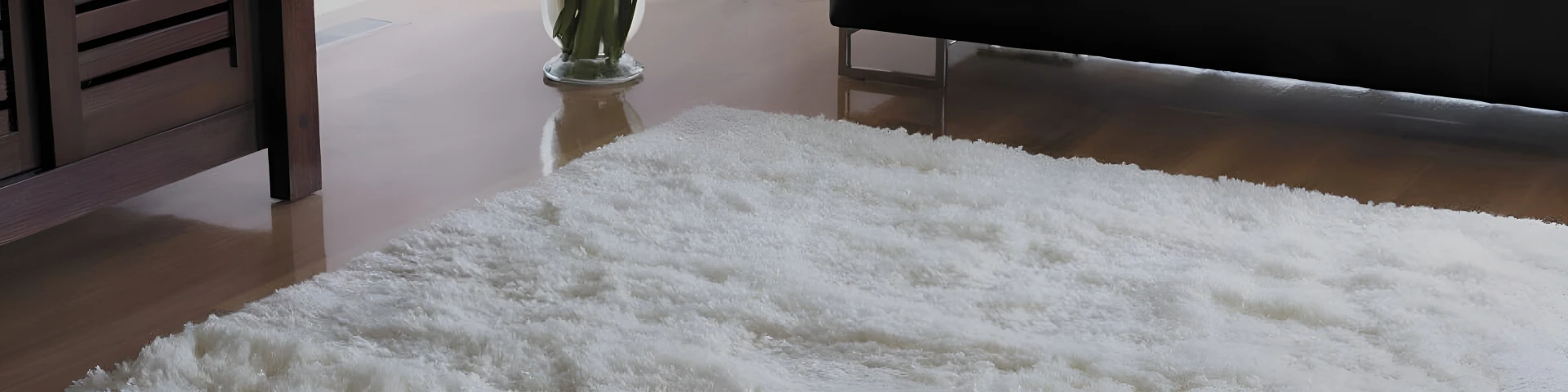
Natural faux fur rugs represent a significant development in the floor covering industry, bridging the aesthetic appeal of genuine animal fur with the ethical and sustainability concerns driving modern consumer preferences. These rugs are constructed using synthetic fibers meticulously engineered to mimic the texture, density, and visual characteristics of natural fur. Their technical position within the textile chain lies between raw polymer production and finished home furnishings, requiring expertise in fiber extrusion, tufting or weaving, dyeing, and finishing processes. Core performance attributes include pile height, fiber density, abrasion resistance, colorfastness, and dimensional stability. A primary industry pain point is achieving a truly realistic tactile experience alongside durable performance and environmental responsibility. Early iterations often suffered from a 'plastic' feel and limited longevity, necessitating advancements in fiber technology and manufacturing techniques. The focus now centers on bio-based polymers and optimized fiber constructions to deliver a premium product that minimizes environmental impact without compromising quality.
Material Science & Manufacturing
The foundation of natural faux fur rugs lies in the selection of synthetic fibers, predominantly utilizing polypropylene (PP), polyester (PET), and more recently, acrylics derived from bio-based sources. Polypropylene is favored for its cost-effectiveness, inherent moisture resistance, and ability to be easily textured. Polyester provides superior resilience and color retention, but is less hydrophobic than PP. Acrylic fibers offer a closer approximation to the feel of natural fur, but generally exhibit lower abrasion resistance. Manufacturing typically involves either tufting or weaving. Tufting, the more common method, employs needles to insert looped or cut pile fibers through a primary backing material (often polypropylene). Weaving interlaces warp and weft yarns, creating a denser, more durable pile. Key parameter control during manufacturing includes denier (fiber thickness), crimp frequency (affecting pile loft and texture), and yarn twist (influencing durability and abrasion resistance). Dyeing processes frequently utilize solution dyeing, where pigment is incorporated into the fiber during extrusion, ensuring excellent colorfastness. Backing materials are critical for dimensional stability and prevent shedding. Latex or polyurethane coatings are applied to secure the pile and provide cushioning. A critical aspect is ensuring chemical compatibility between the fiber, dye, backing, and coating materials to prevent degradation or discoloration over time. The use of non-toxic, low-VOC (Volatile Organic Compounds) adhesives and dyes is becoming increasingly important to address consumer health concerns and comply with stringent environmental regulations.
Performance & Engineering
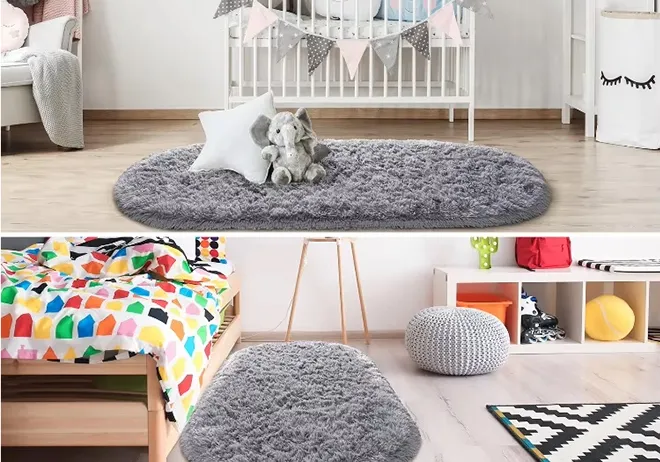
Performance assessment of natural faux fur rugs necessitates evaluating several key engineering parameters. Abrasion resistance, measured using methods like the Wyzenbeek test (ASTM D4157), determines the rug's ability to withstand foot traffic and maintain its aesthetic appearance. Pile retention force, assessed through tuft bind tests, indicates the strength of the fiber attachment to the backing. Colorfastness to light (ASTM D1654) and washing (AATCC 163) are crucial to prevent fading or bleeding. Dimensional stability, evaluated via shrinkage testing after washing or exposure to humidity, ensures the rug maintains its original size and shape. Fire resistance is a paramount safety concern, often addressed through application of fire-retardant treatments meeting standards like NFPA 701. Environmental resistance requires assessment of UV stability (particularly for outdoor applications), resistance to mildew and mold growth (especially in humid environments), and resistance to common household stains. Force analysis involves understanding the load-bearing capacity of the backing material and the fiber's tensile strength. Compliance requirements vary by region, encompassing regulations related to flammability, VOC emissions (CARB Phase II, GREENGUARD Gold), and restricted substances (REACH, RoHS). The structural integrity also needs to withstand repeated compression cycles to avoid permanent matting and loss of loft. Ensuring proper fiber selection and manufacturing processes can address these potential engineering challenges.
Technical Specifications
| Parameter | Polypropylene (PP) | Polyester (PET) | Acrylic (Bio-Based) | Units |
|---|---|---|---|---|
| Pile Height | 20-50 | 25-60 | 30-55 | mm |
| Fiber Density | 800-1200 | 900-1500 | 700-1100 | fibers/100 cm² |
| Abrasion Resistance (Wyzenbeek) | 5,000-10,000 | 8,000-15,000 | 3,000-7,000 | cycles |
| Colorfastness to Light (ASTM D1654) | Grade 4-5 | Grade 5-6 | Grade 3-4 | - |
| Water Absorption | <0.1 | 0.5-1.0 | 0.8-1.5 | % |
| Tensile Strength | 40-60 | 60-80 | 30-50 | cN/tex |
Failure Mode & Maintenance
Natural faux fur rugs, while durable, are susceptible to various failure modes. Common issues include fiber shedding, particularly in high-traffic areas, resulting from inadequate tuft bind or fiber abrasion. Matting and crushing of the pile can occur under sustained compression, reducing the rug’s aesthetic appeal and cushioning properties. Color fading is a concern with prolonged exposure to direct sunlight, especially with lower-grade dyes. Delamination of the backing material can lead to structural failure and fiber loss, often caused by moisture ingress or adhesive degradation. Oxidation of the fibers, particularly polypropylene, can result in brittleness and discoloration over time, especially in warmer climates. Maintenance is crucial to prolonging the rug’s lifespan. Regular vacuuming (using a suction-only nozzle to avoid snagging) removes dirt and debris that contribute to abrasion. Spot cleaning with a mild detergent and water is recommended for spills, avoiding harsh chemicals that can damage the fibers. Professional cleaning every 12-18 months can restore pile loft and remove deeply embedded dirt. Rotating the rug periodically distributes wear evenly. Avoid prolonged exposure to direct sunlight and excessive moisture. In case of significant damage, professional repair or replacement may be necessary. Addressing these potential issues proactively will maximize the functional lifespan and aesthetic value of the rug.
Industry FAQ
Q: What is the difference between polypropylene and polyester faux fur rugs in terms of stain resistance?
A: Polypropylene generally exhibits superior inherent stain resistance compared to polyester. This is due to its hydrophobic nature, meaning it repels water-based stains. Polyester, while offering better resilience and color retention, is more prone to absorbing liquids, making it potentially more susceptible to staining. However, both materials can be treated with stain-resistant finishes to enhance their performance.
Q: How does the pile height affect the durability of a faux fur rug?
A: Generally, a lower pile height (20-30mm) tends to be more durable as it experiences less stress and is less prone to matting. Higher pile heights (40-60mm) provide a more luxurious feel but are more susceptible to crushing underfoot and may require more frequent maintenance to restore their loft.
Q: What are the environmental considerations when choosing a faux fur rug?
A: Look for rugs made with recycled polyester (rPET) or bio-based acrylic fibers derived from renewable sources. Consider the manufacturing processes and ensure the rug is free of harmful chemicals like formaldehyde and phthalates. Certifications like OEKO-TEX Standard 100 and GOTS (Global Organic Textile Standard) indicate adherence to strict environmental and social criteria.
Q: How important is the rug backing material for long-term performance?
A: The backing material is critical for dimensional stability and preventing shedding. High-quality backings, often made of polypropylene or latex with a secondary jute or felt layer, provide superior support and prevent the rug from warping or unraveling. Ensure the backing is securely bonded to the pile to maximize durability.
Q: What is the best way to clean a faux fur rug without damaging the fibers?
A: Regular vacuuming with a suction-only nozzle is essential. For spot cleaning, use a mild detergent diluted in cool water and blot gently, avoiding vigorous rubbing. Always test the cleaning solution in an inconspicuous area first. Avoid using harsh chemicals or steam cleaners, as they can damage the fibers. Professional cleaning is recommended for deep cleaning and stain removal.
Conclusion
Natural faux fur rugs have evolved significantly, offering a viable and ethical alternative to genuine animal fur. The success of these products hinges on the careful selection of synthetic fibers – polypropylene, polyester, and increasingly, bio-based acrylics – combined with precise manufacturing control over pile construction, dyeing, and backing application. Understanding the critical performance parameters – abrasion resistance, colorfastness, dimensional stability – and potential failure modes – shedding, matting, delamination – is paramount for ensuring longevity and customer satisfaction. The continued drive towards sustainable materials and environmentally responsible production processes will further solidify the position of natural faux fur rugs in the home furnishings market.
Looking forward, innovation in fiber technology will likely focus on developing even more realistic tactile properties and enhancing durability. Greater emphasis will be placed on circular economy principles, with increased use of recycled materials and biodegradable options. The integration of smart technologies, such as anti-microbial treatments and self-cleaning coatings, may also emerge as a differentiating factor. Ultimately, the future of natural faux fur rugs lies in balancing aesthetic appeal, functional performance, and environmental sustainability to meet the evolving demands of discerning consumers.