

navy faux sheepskin rug Performance Analysis

Introduction
Navy faux sheepskin rugs represent a synthetic alternative to traditional sheepskin, offering comparable aesthetic appeal with enhanced practicality and cost-effectiveness. Positioned within the broader floor coverings and home textiles industry, these rugs are fabricated primarily from acrylic, polyester, or modacrylic fibers engineered to mimic the texture and warmth of natural sheepskin. Their core performance characteristics center around tactile comfort, visual aesthetic, and durability in residential applications. Unlike natural sheepskin, faux varieties avoid the ethical concerns related to animal welfare and are often easier to clean and maintain. The increasing demand for vegan and cruelty-free products, coupled with the desire for luxurious textures at accessible price points, fuels the growing market for navy faux sheepskin rugs. This guide will delve into the material science, manufacturing processes, performance engineering, potential failure modes, and maintenance protocols associated with these increasingly popular floor coverings.
Material Science & Manufacturing
The foundation of navy faux sheepskin rugs lies in the selection and processing of synthetic fibers. Predominantly, acrylic fibers (typically 60-80% composition) are utilized due to their inherent softness, bulkiness, and ability to retain shape. Polyester (10-30%) is often blended with acrylic to enhance durability and resistance to abrasion. Modacrylic fibers (0-10%), providing flame retardancy, may be incorporated for safety compliance. The base fabric is typically a woven or non-woven polypropylene or polyester substrate, providing structural integrity. The ‘pile’ – the long, fluffy surface mimicking sheep’s wool – is created through a process involving fiber tufting or needle punching.
Fiber Production: Acrylic fibers are produced via the polymerization of acrylonitrile, a petroleum-based chemical. Variations in monomer composition and polymerization techniques influence fiber properties like denier (fineness), crimp, and dyeability. Polyester fibers are generated through the esterification of ethylene glycol and terephthalic acid. Careful control of molecular weight and crystallinity is vital for achieving desired texture and resilience.
Tufting/Needle Punching: Tufting involves inserting loops of yarn into the primary backing material. Loop pile is common, offering a more durable surface. Needle punching, conversely, mechanically interlocks fibers into the backing, creating a denser, more robust structure.
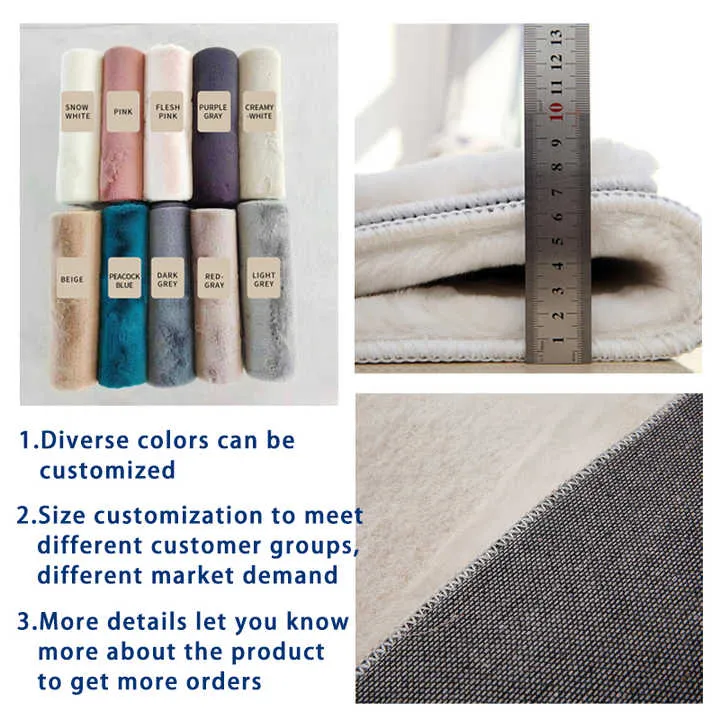
Dyeing & Finishing: Synthetic fibers are typically solution-dyed, meaning the colorant is incorporated before fiber formation, ensuring excellent colorfastness. Post-tufting or needle punching, the rug undergoes finishing processes including brushing, shearing, and backing application (often with latex or rubber for non-slip properties). Precise control of dyeing temperature, time, and chemical concentrations are crucial to achieving consistent navy coloration and preventing color bleeding or fading. The backing material’s adhesion strength dictates the rug’s overall longevity and resistance to delamination.
Performance & Engineering
The performance of a navy faux sheepskin rug is assessed across multiple parameters, including compression resilience, abrasion resistance, colorfastness, flammability, and dimensional stability. Compression Resilience – the ability to recover shape after being subjected to weight – is crucial for maintaining aesthetic appeal and comfort. This is directly related to fiber crimp and density. Abrasion Resistance, quantified through methods like the Taber Abrasion Test, determines the rug’s ability to withstand foot traffic and resist wear.
Colorfastness is evaluated to light, washing, and rubbing, ensuring the navy dye remains vibrant over time. Poor colorfastness leads to dye transfer and fading, diminishing the rug’s aesthetic value. Flammability is a critical safety consideration. Faux sheepskin, being synthetic, is inherently more flammable than natural wool; therefore, flame-retardant treatments (typically based on phosphorus compounds) are often applied. Compliance with flammability standards (see Standards & Regulations section) is mandatory for market access.
Dimensional Stability refers to the rug’s ability to maintain its shape and size after exposure to moisture or temperature fluctuations. The backing material plays a key role in preventing stretching or shrinkage. Furthermore, the rug’s pile height and density impact its overall thermal insulation properties, contributing to underfoot comfort. Engineering considerations extend to backing material selection, ensuring adequate grip on various floor surfaces to mitigate slip hazards. Static electricity build-up is also a concern with synthetic materials, and anti-static treatments may be applied to minimize this effect.
Technical Specifications
| Parameter | Units | Typical Value (Navy Faux Sheepskin Rug) | Test Method |
|---|---|---|---|
| Pile Height | mm | 20-60 | ASTM D3884 |
| Pile Density | oz/yd² | 300-800 | ASTM D3884 |
| Fiber Composition | % | Acrylic 60-80%, Polyester 10-30%, Modacrylic 0-10 | FTIR Spectroscopy |
| Colorfastness to Light | Rating (1-5) | 4-5 | ISO 105-B02 |
| Colorfastness to Washing | Rating (1-5) | 3-4 | ISO 105-C06 |
| Abrasion Resistance (Taber) | Cycles to Wear | 200-500 | ASTM D3886 |
Failure Mode & Maintenance
Navy faux sheepskin rugs are susceptible to several failure modes. Fiber Shedding is common, particularly in the initial stages of use, due to loose fibers not fully secured during manufacturing. Pile Matting occurs as fibers become compressed and lose their resilience with prolonged foot traffic, resulting in a flattened appearance. Color Fading can result from prolonged exposure to UV radiation (sunlight), even with solution-dyed fibers. Delamination – the separation of the pile from the backing – is a critical failure mode, often caused by degradation of the adhesive or wear of the backing material. Staining is a concern, as synthetic fibers can be susceptible to certain dyes and chemicals.
Maintenance involves regular vacuuming (using a suction-only attachment to avoid pulling fibers) and spot cleaning with mild detergent and water. Avoid harsh chemicals or abrasive cleaners. For significant spills, professional cleaning is recommended. Rotating the rug periodically can distribute wear more evenly, minimizing matting. Exposure to direct sunlight should be minimized to prevent fading. To address delamination, adhesive re-application may be possible, but the repair is often temporary. Preventative measures include using rug pads to provide cushioning and reduce wear, and avoiding placement in high-traffic areas if long-term aesthetic integrity is paramount.
Industry FAQ
Q: What is the primary difference between acrylic and polyester faux sheepskin rugs regarding durability?
A: Polyester generally exhibits superior abrasion resistance and resilience compared to acrylic. While acrylic offers a softer initial hand feel, polyester retains its shape and withstands wear and tear for a longer duration, making it a preferable choice for high-traffic areas. However, modern acrylic formulations are continually improving in durability.
Q: How does the backing material impact the overall lifespan of the rug?
A: The backing material is critical for structural integrity. Latex backings are cost-effective but prone to degradation over time, leading to cracking and delamination. Rubber backings offer greater durability and non-slip properties but can be more expensive. The adhesive used to bond the pile to the backing is also crucial; a strong, flexible adhesive is essential for long-term performance.
Q: What flammability standards are typically applicable to faux sheepskin rugs in the US and Europe?
A: In the US, rugs are often required to meet the flammability requirements outlined in 16 CFR Part 1610. In Europe, the EN 13501-1 standard classifies the reaction to fire performance of building products, including textiles. Compliance with these standards typically involves flame-retardant treatments.
Q: Is solution dyeing more effective than yarn dyeing for faux sheepskin rugs, and why?
A: Solution dyeing is significantly more effective for faux sheepskin rugs. Because the dye is integrated into the fiber during production, it offers superior colorfastness to light, washing, and rubbing. Yarn dyeing, where pre-made yarn is dyed, is more prone to color bleeding and fading, especially with repeated cleaning.
Q: What are the environmental considerations associated with faux sheepskin rug production and disposal?
A: The production of synthetic fibers relies on petroleum-based feedstocks, contributing to carbon emissions. Disposal is also a concern, as synthetic materials are not readily biodegradable. However, advancements in recycling technologies are emerging, allowing for the recovery and reuse of polyester and acrylic fibers. Choosing rugs with recycled content can mitigate the environmental impact.
Conclusion
Navy faux sheepskin rugs offer a compelling balance of aesthetic appeal, affordability, and practicality. Their performance is fundamentally governed by the properties of the synthetic fibers used in their construction—primarily acrylic and polyester—and the effectiveness of the manufacturing processes employed. Understanding the interplay between fiber selection, tufting/needle punching techniques, dyeing procedures, and backing material characteristics is crucial for evaluating long-term durability, colorfastness, and overall quality.
Future development in this sector will likely focus on enhancing the sustainability of faux sheepskin rugs through the increased utilization of recycled materials, the development of bio-based synthetic fibers, and the optimization of manufacturing processes to minimize environmental impact. Furthermore, advancements in fiber technology will continue to improve the tactile properties and performance characteristics of these increasingly popular floor coverings.