

orange faux fur rug Performance Analysis
Introduction
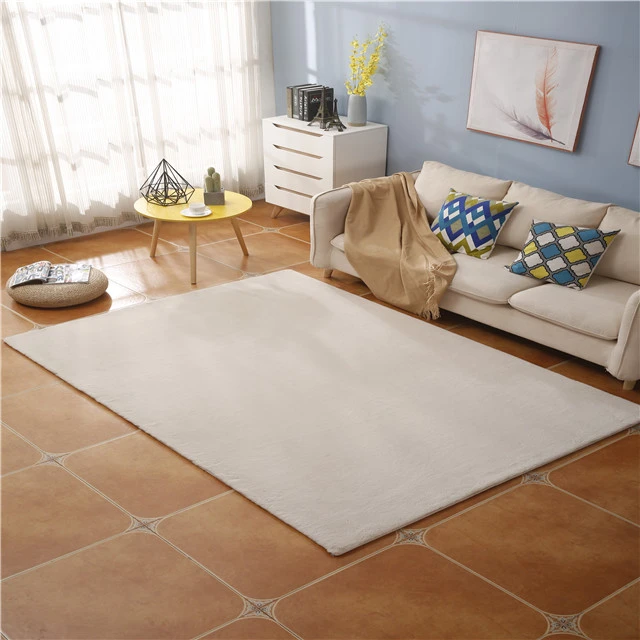
Orange faux fur rugs represent a significant segment within the synthetic floor covering market, offering an aesthetic alternative to natural animal hides without the associated ethical and sustainability concerns. These rugs are primarily composed of acrylic or polyester fibers engineered to mimic the texture and appearance of genuine fur. Positioned between high-end natural fur and lower-cost woven rugs, orange faux fur rugs cater to a demand for comfortable, visually appealing, and relatively affordable home décor. Core performance characteristics include pile density, fiber durability, colorfastness, and ease of maintenance. Addressing concerns surrounding shedding, static electricity, and flammability are key industry challenges. This guide provides a comprehensive technical overview of orange faux fur rug construction, performance, failure modes, and relevant industry standards.
Material Science & Manufacturing
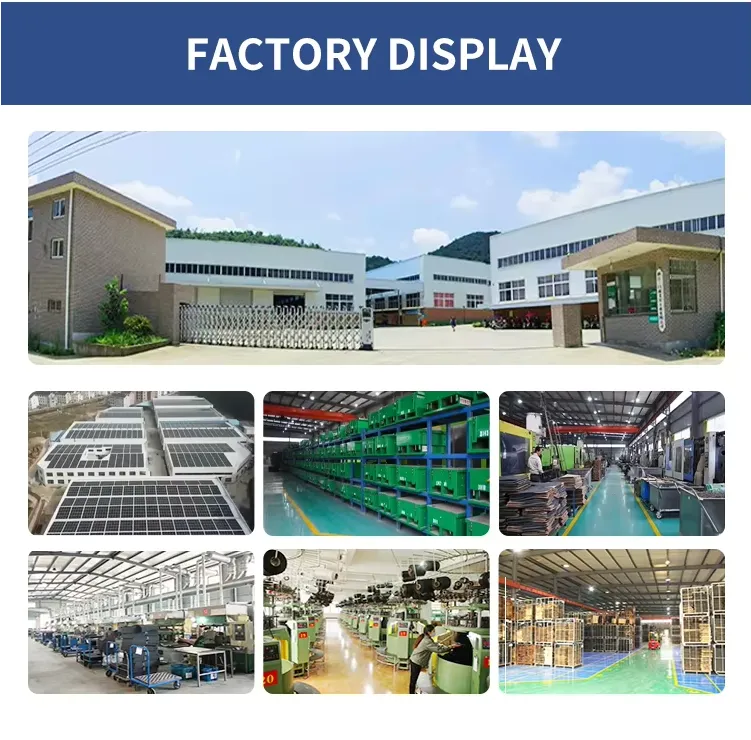
The primary raw materials for orange faux fur rugs are acrylic and polyester fibers, with acrylic generally favored for its closer resemblance to natural fur in terms of texture and warmth. Polyester offers increased durability and resistance to crushing. The base cloth is typically constructed from polypropylene or jute, providing structural integrity. The dyeing process utilizes acrylic or polyester-specific dyes to achieve the desired orange hue; colorfastness is a critical parameter. Manufacturing involves several key stages. First, the base cloth is prepared and secured. Then, the fibers are either woven or tufted into the base cloth. Tufting is more common for faux fur, creating a denser pile. Following tufting, the rug undergoes a shearing process to achieve the desired pile height and uniformity. A latex or polyurethane backing is applied to enhance dimensional stability and prevent slippage. Parameter control during manufacturing focuses on fiber denier (fineness), pile height, pile density (grams per square meter), and dye penetration. Fiber denier directly impacts the softness and drape of the rug. Precise control of these parameters is crucial to maintain consistent quality and performance characteristics. The quality of the backing material also influences the longevity and structural integrity, resisting delamination and maintaining shape over extended use.
Performance & Engineering
The performance of an orange faux fur rug is governed by several engineering principles. Static load testing determines the resilience and recovery of the pile after compression – a critical factor for comfort and aesthetic retention. Tensile strength of both the fibers and the backing material dictates the rug’s resistance to tearing and deformation. Colorfastness, assessed using the Gray Scale method (ISO 105-B02), quantifies resistance to fading from light exposure and washing. Flammability is a significant concern, requiring compliance with fire safety regulations (see standards section). The rug's performance under cyclical stress (foot traffic) impacts pile shedding and fiber degradation. Environmental resistance, specifically moisture vapor transmission rate (MVTR), is important for preventing mildew growth in humid environments. The engineering design also considers electrostatic charge buildup and mitigation strategies, such as incorporating antistatic fibers or treatments. Force analysis during manufacturing determines optimal tufting density to achieve the desired pile height and density while maintaining structural integrity. The rug's weight (grams per square meter) is a direct correlate to its perceived quality and durability.
Technical Specifications
| Parameter | Unit | Acrylic Fiber | Polyester Fiber |
|---|---|---|---|
| Pile Height | mm | 25-50 | 20-40 |
| Pile Density | g/m² | 800-1500 | 600-1200 |
| Fiber Denier | dtex | 3-6 | 2-5 |
| Tensile Strength (Fiber) | cN/tex | 60-80 | 70-90 |
| Colorfastness to Light (Gray Scale) | Grade | 4-5 | 3-4 |
| Flammability (Oxygen Index) | % | >25 | >28 |
Failure Mode & Maintenance
Common failure modes for orange faux fur rugs include pile shedding, matting, fiber breakage, delamination of the backing, and color fading. Pile shedding is primarily caused by fiber fatigue from abrasion and cyclical stress. Matting occurs when the pile fibers become compressed and lose their resilience, reducing the rug’s aesthetic appeal and comfort. Fiber breakage can be attributed to UV exposure and mechanical damage. Delamination of the backing material is often a result of poor adhesive bonding or exposure to moisture. Color fading results from prolonged exposure to sunlight. Maintenance recommendations include regular vacuuming (using a suction-only nozzle to avoid snagging), spot cleaning with mild detergent, and avoiding direct sunlight. Professional cleaning is recommended annually. Preventative measures include rotating the rug periodically to distribute wear, using rug pads to provide cushioning and prevent slippage, and avoiding harsh chemicals or abrasive cleaning agents. Repairing minor delamination can be achieved with fabric adhesive, but extensive damage typically necessitates replacement. Proper storage in a cool, dry place when not in use can also extend the rug’s lifespan.
Industry FAQ
Q: What is the primary difference between acrylic and polyester faux fur in terms of longevity?
A: Polyester generally exhibits superior abrasion resistance and crush resistance compared to acrylic. While acrylic offers a softer, more natural feel initially, polyester fibers tend to maintain their shape and structural integrity for a longer period under heavy foot traffic, making polyester a preferable choice for high-use areas.
Q: How does the rug backing contribute to overall durability?
A: The rug backing is critical for dimensional stability and preventing delamination. A high-quality latex or polyurethane backing provides robust adhesion to the pile fibers and prevents the rug from distorting or unraveling. The backing also enhances grip, reducing slippage and improving safety.
Q: What is the impact of UV exposure on the color and fibers of an orange faux fur rug?
A: Prolonged UV exposure can cause significant color fading and fiber degradation. UV radiation breaks down the chemical bonds in the dyes and polymers, resulting in discoloration and reduced tensile strength. Regularly rotating the rug and minimizing direct sunlight exposure are crucial preventative measures.
Q: Are faux fur rugs inherently flammable, and what measures are taken to mitigate this risk?
A: Most synthetic fibers are inherently flammable. Manufacturers address this risk by applying flame-retardant treatments to the fibers and backing. Compliance with flammability standards (see standards section) is essential to ensure consumer safety.
Q: How does pile density affect the comfort and perceived quality of the rug?
A: Higher pile density (grams per square meter) generally translates to a plusher, more comfortable feel. It also contributes to a more luxurious appearance and improved sound absorption. However, extremely high pile density can make cleaning more difficult.
Conclusion
Orange faux fur rugs represent a viable and increasingly popular alternative to natural fur, offering a balance of aesthetic appeal, affordability, and ethical sourcing. Their performance characteristics are heavily influenced by the choice of fiber (acrylic or polyester), manufacturing processes, and quality control measures. Understanding the material science principles governing fiber properties, pile construction, and backing adhesion is crucial for selecting a durable and long-lasting product.
Continued research and development in fiber technology and flame-retardant treatments are expected to further enhance the performance and safety of orange faux fur rugs. Industry trends towards sustainable materials and environmentally friendly manufacturing processes will also likely shape the future of this market segment. Addressing concerns around shedding and static electricity will remain key areas of focus for manufacturers striving to meet evolving consumer expectations.