

oval faux fur rug Performance Analysis
Introduction
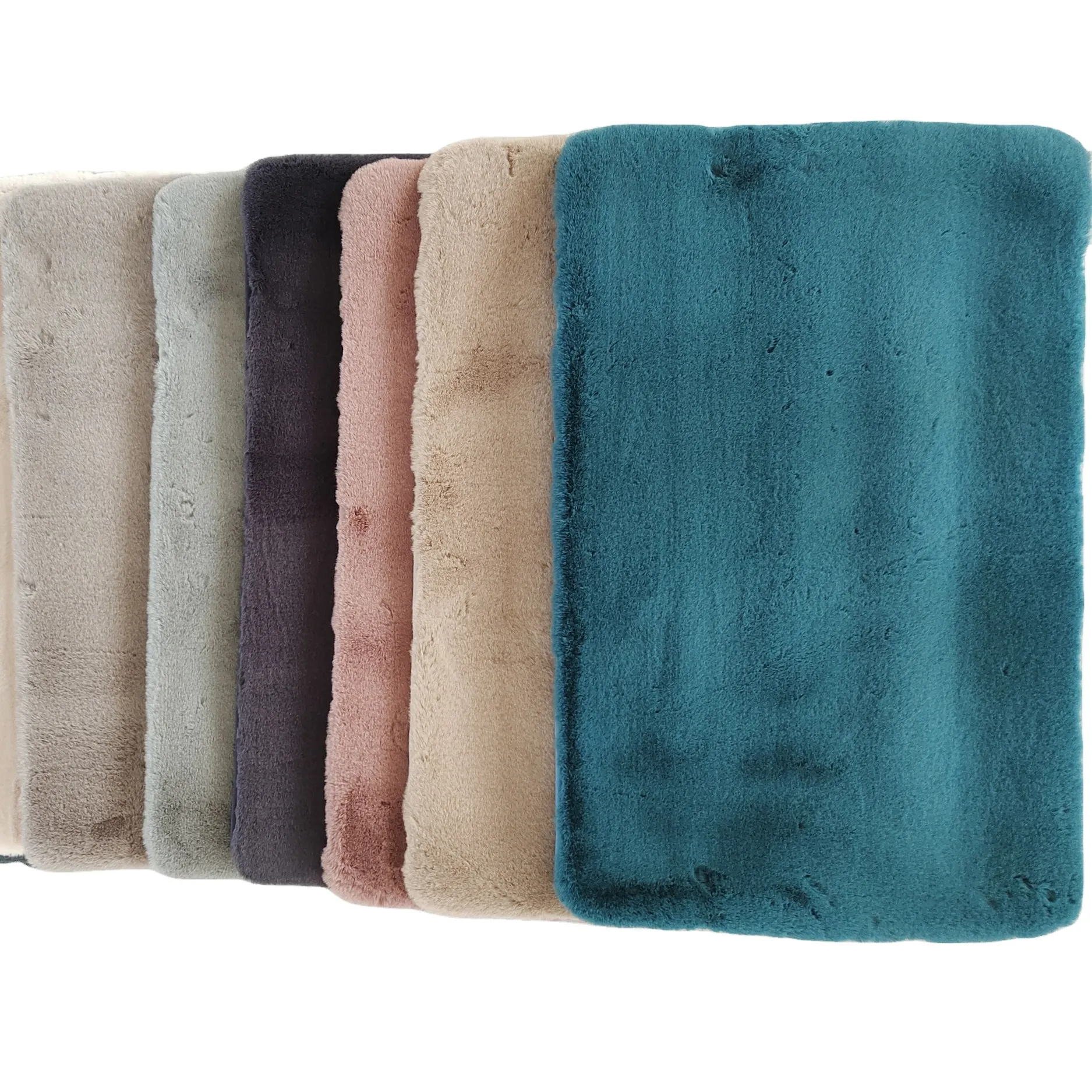
The oval faux fur rug represents a significant development in the interior textiles market, offering a cost-effective and aesthetically versatile alternative to genuine fur rugs. Positioned within the broader floor covering industry, and specifically within the segment of decorative rugs, it serves both functional and aesthetic purposes. This guide provides a comprehensive technical overview, detailing material composition, manufacturing processes, performance characteristics, potential failure modes, and relevant industry standards. Core performance metrics center around pile density, fiber shedding, colorfastness, and the overall durability of the synthetic materials used. A key industry pain point is consistently achieving a realistic ‘feel’ and appearance while maintaining robust wear resistance, particularly in high-traffic areas. This guide addresses these concerns from a materials science and engineering perspective.
Material Science & Manufacturing
Oval faux fur rugs primarily utilize synthetic fibers, most commonly polypropylene (PP) or polyester (PET) due to their cost-effectiveness and ability to mimic the texture of animal fur. Polypropylene, possessing a lower density (0.91 g/cm³) compared to polyester (1.38 g/cm³), contributes to a lighter weight rug, but generally exhibits lower UV resistance. The backing material is typically jute, felt, or a combination of both, offering structural support. Manufacturing begins with the production of the fiber filaments via melt spinning or similar processes. These filaments are then heat-set to create the desired crimp and texture, crucial for achieving the fur-like appearance. The fibers are subsequently tufted into a primary backing material, forming the pile. Density – measured in ounces per square yard (oz/yd²) – is a critical parameter controlled during tufting. A secondary backing is then applied, often latex or polyurethane foam, for enhanced stability and cushioning. The oval shape is achieved through precision cutting, typically utilizing automated knife cutting systems, after which edges are serged or bound to prevent unraveling. Key parameter control focuses on consistent fiber denier (measured in grams per kilometer), tufting gauge (distance between needles), and backing adhesive application rate. The quality of the dye used is also critical, as inconsistencies lead to uneven color and reduced lightfastness.
Performance & Engineering
The performance of an oval faux fur rug is governed by several engineering considerations. Pile compression resistance, tested via methods like the Martindale Abrasion Test (measuring cycles to wear), directly correlates with longevity. The rug's ability to withstand foot traffic and maintain its pile height is paramount. Colorfastness, assessed according to standards like ISO 105 B02 (colorfastness to washing) and ISO 105 B04 (colorfastness to rubbing), is critical for maintaining aesthetic appeal. Environmental resistance includes resistance to staining (evaluated using standardized stain tests with common household liquids) and fading due to UV exposure. The backing material contributes to dimensional stability; excessive moisture absorption can lead to shrinkage or warping. Static charge buildup, a common issue with synthetic fibers, is often mitigated through the addition of anti-static treatments during manufacturing. Force analysis related to the rug's structural integrity considers tensile strength of the backing material and the pull-out force required to remove fibers from the tufting. Compliance requirements vary by region but typically include flammability standards (e.g., California Proposition 65 for phthalates) and restrictions on hazardous substances (e.g., REACH in Europe). Proper fiber anchoring to the backing is crucial to minimize fiber loss and maintain the rug’s appearance over time.
Technical Specifications
| Parameter | Polypropylene (PP) Rug | Polyester (PET) Rug | Units |
|---|---|---|---|
| Pile Height | 25-40 | 30-50 | mm |
| Pile Density | 800-1200 | 900-1500 | gsm (grams per square meter) |
| Fiber Denier | 200-400 | 300-600 | dtex |
| Tufting Gauge | 5/32 – 5/64 | 5/32 – 5/64 | inches |
| Backing Material | Jute/Felt | Jute/Felt | - |
| Colorfastness to Washing (ISO 105 B02) | 4-5 | 4-5 | Grade (1-5) |
Failure Mode & Maintenance
Oval faux fur rugs are susceptible to several failure modes. Fiber shedding is a common issue, particularly during the initial use phase, stemming from loosely anchored fibers. This is exacerbated by high-traffic areas and aggressive vacuuming. Matting, or pile compression, occurs due to repeated foot traffic, reducing the rug’s plushness and aesthetic appeal. Oxidation of the polypropylene fibers, induced by prolonged UV exposure, leads to color fading and embrittlement. Delamination of the backing material, caused by adhesive failure, results in structural instability. Staining, especially from oil-based substances, can be difficult to remove due to the hydrophobic nature of synthetic fibers. Maintenance recommendations include regular vacuuming (using a suction-only attachment to minimize fiber loss), spot cleaning with mild detergent and water, and professional cleaning when necessary. Avoid prolonged direct sunlight exposure to prevent fading. For delamination, re-adhering the backing with a suitable rug adhesive may provide a temporary solution, but complete replacement is often required. Preventative measures include using rug pads to reduce wear and tear, and rotating the rug periodically to distribute traffic evenly. Periodic application of a fiber protectant can also mitigate staining.
Industry FAQ
Q: What is the primary difference in durability between polypropylene and polyester faux fur rugs?
A: Polyester generally exhibits superior abrasion resistance and resilience compared to polypropylene. While polypropylene is lighter and more cost-effective, polyester fibers withstand crushing and maintain their pile height for a longer duration under moderate to heavy foot traffic. However, the specific denier and tufting density play significant roles in overall durability for both materials.
Q: How does the backing material impact the overall performance of the rug?
A: The backing material provides crucial structural support and dimensional stability. Jute is a natural fiber offering good strength but is susceptible to moisture absorption and subsequent shrinkage. Felt provides cushioning and helps prevent slipping, but has lower tensile strength. A combination of jute and felt, or the use of synthetic backings like polyurethane foam, offers a balanced performance profile.
Q: What are the key considerations for colorfastness testing and achieving consistent dye results?
A: Colorfastness is evaluated using standardized tests like ISO 105 B02 and B04. Achieving consistent dye results requires careful control of dye concentration, temperature, and dyeing time. The quality of the dye itself is paramount, with higher-grade dyes offering improved lightfastness and washfastness. Pre-treatment of the fibers to ensure uniform dye uptake is also critical.
Q: What is the typical lifespan of a high-quality oval faux fur rug under normal residential use?
A: A high-quality faux fur rug, with a pile density of 1200 gsm or greater and a polyester fiber composition, can reasonably be expected to last 5-7 years under normal residential use with proper maintenance. Rugs in high-traffic areas or exposed to direct sunlight may exhibit noticeable wear and fading sooner.
Q: What preventative measures can be taken to minimize fiber shedding?
A: Fiber shedding is inherent in tufted rugs, especially during initial use. Regular vacuuming with a suction-only attachment (avoiding beater bars) is crucial. A rug pad can help minimize friction and reduce fiber loss. Avoid aggressive scrubbing or harsh cleaning chemicals, as these can exacerbate shedding. Periodic brushing with a soft-bristled brush can help align fibers and reduce loose strands.
Conclusion
The oval faux fur rug presents a compelling option within the floor covering market, balancing aesthetic appeal with cost-effectiveness. Its performance characteristics are fundamentally linked to the materials science of the synthetic fibers employed – polypropylene and polyester – and the manufacturing precision applied during tufting and backing processes. Understanding parameters such as pile density, fiber denier, and colorfastness ratings is critical for evaluating product quality and predicting long-term durability.
Continued advancements in fiber technology and manufacturing techniques are poised to further enhance the performance and longevity of faux fur rugs, addressing current limitations related to fiber shedding and UV resistance. Adhering to relevant industry standards, such as those pertaining to flammability and chemical emissions, remains essential for ensuring consumer safety and environmental responsibility. Future innovations may focus on incorporating recycled materials and developing bio-based synthetic fibers to further enhance sustainability.