

oversized faux fur rug Performance Analysis

Introduction
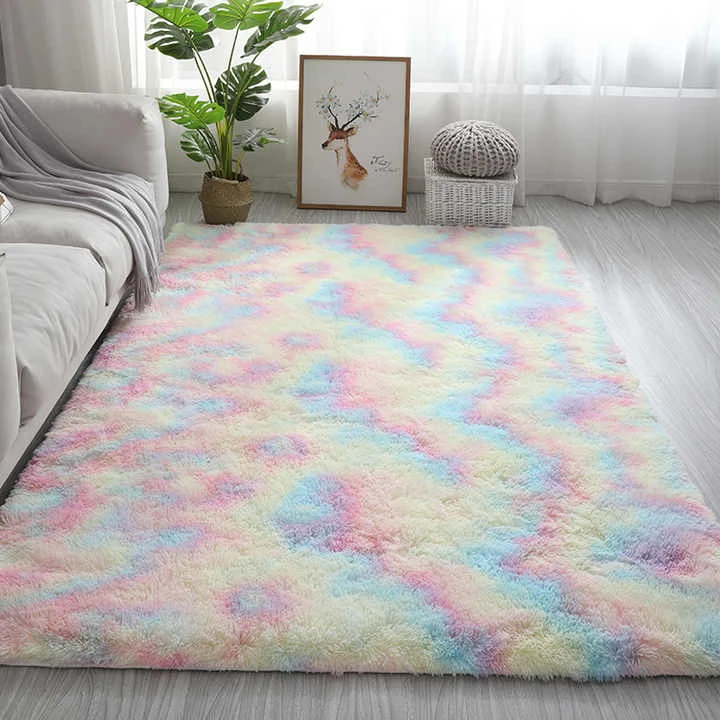
Oversized faux fur rugs represent a significant segment within the broader decorative textiles market, distinguished by their substantial dimensions and imitation of animal fur. Unlike traditional wool or sheepskin rugs, these are predominantly manufactured using synthetic fibers, typically acrylic or polyester, bonded to a backing material. Their technical position lies in providing aesthetic appeal and tactile comfort without the ethical concerns and high maintenance requirements associated with genuine animal fur. Core performance characteristics include pile density, fiber durability, flame retardancy, and colorfastness. These rugs are utilized in residential and commercial settings, often serving as focal points within interior design schemes. A key industry pain point revolves around ensuring consistent quality across variations in fiber composition, backing integrity, and adherence to evolving flammability standards. Consumer demand favors products offering both luxurious feel and robust construction to withstand heavy foot traffic and prolonged use.
Material Science & Manufacturing
The primary raw materials in oversized faux fur rugs are synthetic polymers, predominantly acrylic and polyester. Acrylic fibers (polyacrylonitrile) are favored for their wool-like texture and ability to mimic the loft of natural fur, exhibiting good drape and bulk. However, acrylic tends to pill and has lower abrasion resistance compared to polyester. Polyester microfibers, conversely, offer superior durability, stain resistance, and color retention, though they may lack the same degree of softness. Backing materials typically consist of jute, polypropylene, or a combination of both. Jute provides a natural, biodegradable base, but is susceptible to moisture absorption and mildew growth. Polypropylene offers better moisture resistance and structural stability. Manufacturing processes involve several key stages: fiber extrusion (producing the acrylic or polyester filaments), fiber cutting (to achieve desired pile length), tufting (inserting the fibers into the backing material), and finishing (shearing, brushing, and dyeing). Critical parameter control focuses on fiber denier (diameter – impacting softness), pile weight (grams per square meter – influencing density and luxury), and dye penetration (ensuring consistent color throughout the pile). The choice of adhesive used to bind the fibers to the backing is also crucial; latency and shear strength must be precisely calibrated to prevent shedding and delamination. Advanced manufacturing techniques include utilizing different pile heights and densities within a single rug to create textured effects. Maintaining consistent yarn tension during tufting is vital to prevent uneven pile distribution and structural weaknesses.
Performance & Engineering
The performance of oversized faux fur rugs is dictated by several engineering considerations. Force analysis focuses on compressive strength (resistance to flattening under weight), tensile strength (resistance to tearing), and shear strength (resistance to fiber pull-out). Environmental resistance includes assessing colorfastness to light exposure (UV degradation of dyes), resistance to staining from common household spills, and flammability performance. Compliance requirements vary by region but generally adhere to standards addressing flammability (preventing rapid flame spread) and VOC emissions (volatile organic compounds released from the materials). Functional implementation relies on the structural integrity of the backing material and the secure adhesion of the fibers. The weight of the rug itself is a critical engineering factor; heavier rugs tend to be more stable and less prone to shifting, but also more difficult to handle and transport. Pile density directly impacts thermal insulation properties, contributing to a warmer feel underfoot. Abrasion resistance, measured by the Wyzenbeek test, determines the rug’s durability in high-traffic areas. Ensuring dimensional stability is essential to prevent warping or shrinking over time, necessitating careful control of fiber shrinkage rates during manufacturing. Understanding the creep behavior of the backing material under sustained load is important for predicting long-term performance.
Technical Specifications
| Parameter | Acrylic Pile | Polyester Pile | Backing Material |
|---|---|---|---|
| Pile Height (mm) | 40-60 | 30-50 | Jute/Polypropylene Composite |
| Pile Weight (g/m²) | 800-1200 | 600-1000 | Density (g/m²) |
| Fiber Denier | 1-3 | 0.8-2 | Tensile Strength (N/mm²) |
| Colorfastness (Grey Scale Rating) | 4-5 | 5-6 | Moisture Absorption (%) |
| Flammability (Pass/Fail - ASTM E84) | Pass (with treatment) | Pass | VOC Emissions (μg/m³) |
| Abrasion Resistance (Wyzenbeek Cycles) | 5,000-10,000 | 10,000-20,000 | Dimensional Stability (%) |
Failure Mode & Maintenance
Oversized faux fur rugs are susceptible to several failure modes. Shedding, particularly in acrylic pile rugs, is a common issue resulting from inadequate fiber anchoring or mechanical stress. Matting and crushing occur due to prolonged compression, reducing pile loft and aesthetic appeal. Fiber degradation, specifically in acrylic, can happen with prolonged UV exposure, leading to color fading and embrittlement. Delamination, the separation of the pile from the backing, is a critical failure mode stemming from insufficient adhesive bonding or moisture ingress. Pile distortion arises from uneven wear and tear or improper cleaning methods. Maintenance to mitigate these issues involves regular vacuuming (using a suction-only attachment to avoid fiber damage), spot cleaning with mild detergent, and professional cleaning as needed. Avoiding direct sunlight exposure minimizes UV degradation. Rotating the rug periodically promotes even wear. For spills, immediate blotting (rather than rubbing) is recommended. In cases of delamination, professional repair or adhesive reapplication may be necessary. Preventative measures include using rug pads to distribute weight and reduce wear, and avoiding the use of harsh chemicals or abrasive cleaning tools. Addressing moisture promptly prevents mildew growth in jute-backed rugs.
Industry FAQ
Q: What is the primary difference between acrylic and polyester faux fur, and how does that impact durability?
A: Polyester generally exhibits significantly higher abrasion resistance and tensile strength compared to acrylic. While acrylic offers a softer, more “wool-like” feel, it’s more prone to pilling and fiber breakage under stress. Polyester rugs are better suited for high-traffic areas and will maintain their appearance longer.
Q: What backing materials are best suited for rugs intended for damp environments?
A: Polypropylene backing is the preferred choice for damp environments due to its inherent moisture resistance. Jute, while eco-friendly, readily absorbs moisture and can support mildew growth. A polypropylene/jute blend offers a compromise but requires careful monitoring for dampness.
Q: How important is pile weight (GSM) in determining the overall quality and feel of the rug?
A: Pile weight (grams per square meter) is a key indicator of rug quality and perceived luxury. Higher GSM translates to a denser, plusher pile, providing superior comfort and durability. Lower GSM rugs may feel thinner and less resilient.
Q: What flammability standards should be considered when sourcing these rugs for commercial applications?
A: Commercial applications typically require compliance with ASTM E84 (Surface Burning Characteristics) and potentially state or local fire codes. Passing these standards ensures the rug meets minimum safety requirements regarding flame spread and smoke development.
Q: Can faux fur rugs be effectively cleaned without damaging the fibers, and what cleaning methods are recommended?
A: Yes, with proper care. Vacuuming regularly with a suction-only attachment is crucial. Spot cleaning should be done with a mild detergent and cool water, blotting gently. Avoid harsh chemicals, abrasive cleaners, and excessive moisture. Professional cleaning is recommended for deep cleaning and stain removal.
Conclusion
Oversized faux fur rugs represent a complex interplay of material science, manufacturing processes, and performance engineering. The selection of appropriate fibers – acrylic or polyester – hinges on balancing desired aesthetics with durability requirements. Critical to the rug’s longevity are the quality of the backing material, the strength of the adhesive bond, and adherence to relevant flammability and VOC emission standards. Understanding the potential failure modes, such as shedding, delamination, and fiber degradation, is paramount for implementing effective maintenance strategies.
Future development in this sector will likely focus on incorporating recycled materials, enhancing fiber performance through nano-engineering, and developing more sustainable manufacturing processes. Continued innovation in adhesive technology will be crucial to improving long-term durability and preventing delamination. Furthermore, addressing consumer demand for eco-friendly options will drive the adoption of bio-based polymers and more sustainable backing materials.