

pink faux rug Performance Analysis
Introduction
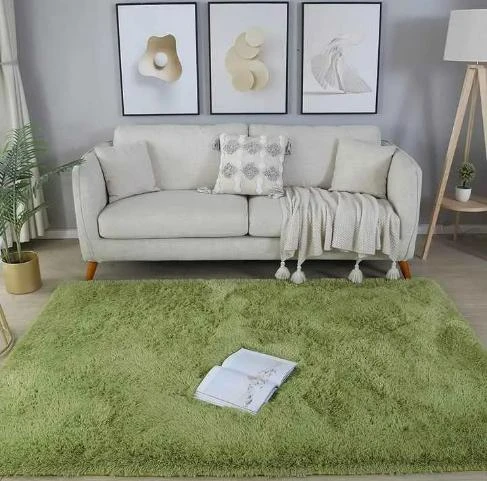
Pink faux rugs represent a synthetic floor covering designed to mimic the aesthetic of traditional wool or natural fiber rugs. Positioned within the broader textile and home furnishings industry, they serve as a cost-effective and often more practical alternative to natural materials. Their primary function is decorative, adding warmth and visual appeal to interior spaces. However, critical performance characteristics extend beyond aesthetics to encompass durability, stain resistance, ease of cleaning, and safety considerations. The core performance of a pink faux rug hinges on the composition of its synthetic fibers (typically polypropylene, polyester, or acrylic) and the construction of its backing, which directly influence its longevity and resistance to wear. Understanding these parameters is crucial for procurement and quality control within both retail and commercial applications.
Material Science & Manufacturing
The majority of pink faux rugs utilize polypropylene (PP), polyester (PET), or acrylic fibers due to their cost-effectiveness, colorfastness, and inherent stain resistance. Polypropylene, the most common material, is a thermoplastic polymer derived from propylene gas. Its strength is relatively low compared to PET and acrylic, but its excellent moisture resistance makes it ideal for rugs prone to spills. Polyester offers superior resilience and UV resistance, enhancing color stability, while acrylic provides a wool-like texture but can be less durable. The dye used is crucial; solution-dyed fibers offer the highest level of colorfastness, meaning the color is incorporated into the polymer itself during production, rather than applied to the surface. Manufacturing typically involves extrusion of the polymer into filaments, followed by texturing to create the desired pile height and density. These filaments are then tufted – inserted – into a primary backing material, commonly polypropylene woven or non-woven fabric. A secondary backing, often latex or polyurethane foam, is applied to provide additional cushioning, stability, and prevent shedding. Key parameter control during manufacturing includes maintaining consistent fiber denier (thickness), accurate tuft density, and uniform application of the secondary backing adhesive. Improper control can lead to uneven wear, shedding, and premature failure.
Performance & Engineering
The performance of a pink faux rug is directly linked to its resistance to compression, tensile stress, and environmental factors. Force analysis reveals that prolonged compression, particularly from furniture placement, can cause permanent pile deformation (crushing). Tensile strength, while not typically a primary failure mode, is important for preventing tearing during handling or transport. Environmental resistance focuses on colorfastness to light (UV degradation), resistance to temperature fluctuations, and susceptibility to microbial growth in humid environments. Compliance requirements vary by region but generally include flammability standards (e.g., testing to ensure rugs meet specific flame spread and smoke development limits) and restrictions on the use of harmful chemicals (e.g., azo dyes, phthalates). Specifically, the pile height, fiber density, and backing material influence the rug’s ability to withstand foot traffic. Higher pile heights generally provide greater comfort but can be more susceptible to matting and crushing. The backing material’s tensile strength and dimensional stability are critical for preventing wrinkles and distortions. The overall design must account for the expected end-use environment. A rug intended for high-traffic areas requires a more robust construction than one designed for a low-use bedroom.
Technical Specifications
| Parameter | Polypropylene (PP) | Polyester (PET) | Acrylic | Typical Value (Pink Faux Rugs) |
|---|---|---|---|---|
| Fiber Denier (dtex) | 200-600 | 300-800 | 400-1200 | 400-600 |
| Pile Height (mm) | 5-15 | 8-20 | 10-25 | 8-12 |
| Pile Weight (g/m²) | 800-1500 | 1200-2500 | 1000-2000 | 1000-1800 |
| Tensile Strength (MPa) | 30-50 | 60-80 | 40-60 | 40-70 (depending on fiber blend) |
| Colorfastness to Light (Grade 1-5) | 3-4 | 4-5 | 3-4 | 4-5 (solution-dyed) |
| Water Absorption (%) | 0.1-0.5 | 0.4-1.0 | 1.0-2.0 | 0.1-0.7 |
Failure Mode & Maintenance
Common failure modes in pink faux rugs include pile crushing, shedding, color fading, and delamination of the backing. Pile crushing occurs due to prolonged compression, permanently distorting the fiber structure. Shedding is often observed in new rugs as loose fibers are released during initial use, but excessive shedding can indicate poor tufting quality or inadequate backing adhesion. Color fading results from UV exposure, particularly with non-solution-dyed fibers. Delamination, where the secondary backing separates from the primary backing, leads to instability and potential tripping hazards. Oxidation of polypropylene fibers over extended periods can cause brittleness and cracking. Maintenance to mitigate these issues involves regular vacuuming to remove abrasive particles, prompt stain removal using appropriate cleaning agents (avoid harsh chemicals), and avoiding prolonged direct sunlight exposure. For delamination, professional re-gluing or replacement of the backing is recommended. Preventative measures include using rug pads to distribute weight evenly, rotating the rug to minimize localized wear, and limiting exposure to excessive moisture. Periodic professional cleaning can also extend the rug’s lifespan by removing deeply embedded dirt and restoring pile loft.
Industry FAQ
Q: What is the impact of fiber denier on rug durability?
A: Lower denier fibers (thinner filaments) generally result in a softer feel but reduced abrasion resistance. Higher denier fibers are more durable but can feel coarser. The optimal denier depends on the intended use – a high-traffic area requires a higher denier, while a low-use bedroom can utilize a lower denier for increased comfort.
Q: How does solution dyeing differ from traditional dyeing methods, and why is it advantageous?
A: Traditional dyeing involves applying dye to the surface of the fiber. Solution dyeing incorporates the color pigment into the polymer melt before the fibers are extruded. This results in superior colorfastness, as the color is inherent to the fiber itself and won't wash out or fade as easily. It's particularly important for pink rugs, as fading is more visually noticeable.
Q: What backing materials provide the best dimensional stability?
A: Polyurethane foam backings generally offer superior dimensional stability compared to latex backings. Polyurethane is less prone to cracking and shrinking over time, maintaining the rug's shape and preventing wrinkles. Woven polypropylene backings also exhibit excellent stability.
Q: What cleaning agents should be avoided when cleaning a pink faux rug?
A: Harsh chemicals like bleach, strong detergents, and solvent-based cleaners can damage the synthetic fibers, causing discoloration or degradation. Avoid abrasive cleaners that can scratch or fray the pile. Mild soap and water are generally the safest options, and always test in an inconspicuous area first.
Q: How do flammability standards impact the construction of faux rugs?
A: Flammability standards, such as those set by the Consumer Product Safety Commission (CPSC), require rugs to meet specific flame spread and smoke development limits. Manufacturers often achieve compliance by applying flame-retardant treatments or utilizing inherently flame-resistant fibers. These treatments must be durable and not compromise the rug's other performance characteristics.
Conclusion
Pink faux rugs, while offering an aesthetically pleasing and cost-effective alternative to natural fiber rugs, necessitate a thorough understanding of their material composition, manufacturing processes, and potential failure modes. The selection of appropriate fibers – polypropylene, polyester, or acrylic – coupled with a robust backing system, directly influences the rug’s durability, stain resistance, and overall lifespan. Careful consideration of key parameters such as fiber denier, pile height, and colorfastness is crucial for procuring high-quality products that meet specific performance requirements.
Looking forward, advancements in synthetic fiber technology and manufacturing techniques will likely lead to even more durable, sustainable, and aesthetically diverse pink faux rug options. Focus on reducing the environmental impact of production, utilizing recycled materials, and developing biodegradable synthetic fibers will be key areas of innovation. Further research into optimizing backing materials to enhance dimensional stability and prevent delamination will also contribute to improved product longevity and reduced waste.