


rabbit faux fur area rug Performance Analysis
Introduction
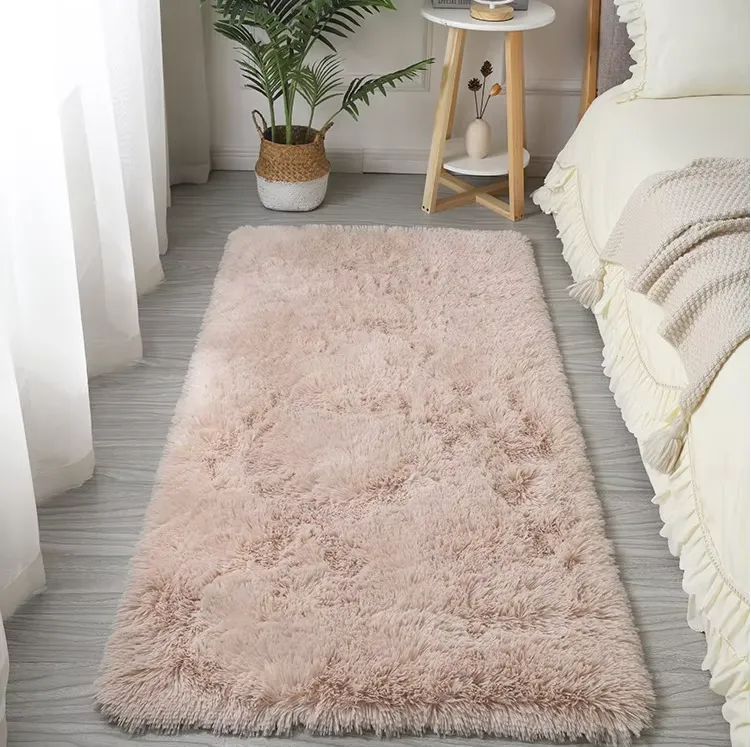
Rabbit faux fur area rugs represent a significant segment within the broader decorative floor coverings market. These rugs are characterized by their attempt to replicate the texture and aesthetic of genuine rabbit fur using synthetic fibers. Positioned as a luxury and comfort item, they serve as interior design elements in residential and light commercial spaces. Their technical position falls within the textile and polymer science domains, relying on advancements in fiber production and bonding techniques. Core performance characteristics center around tactile feel, aesthetic appeal (colorfastness and pile density), durability against abrasion, and ease of maintenance. A key industry pain point is achieving a realistic fur-like texture and luster without utilizing animal products, coupled with ensuring longevity and resistance to common household stressors such as foot traffic, spills, and UV exposure. Furthermore, consumer demand for environmentally responsible products drives the need for sustainable fiber sources and manufacturing processes.
Material Science & Manufacturing
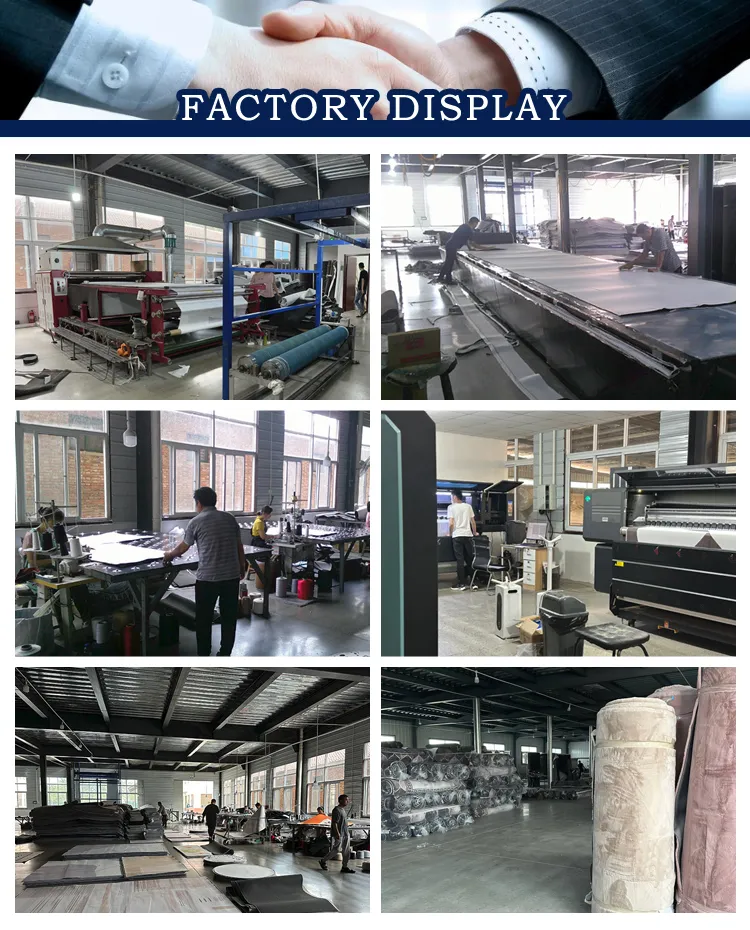
The primary raw material in rabbit faux fur area rugs is typically a synthetic fiber, most commonly polypropylene or polyester. Polypropylene offers cost-effectiveness and inherent moisture resistance, while polyester provides superior dyeability and a softer hand feel. The fibers themselves are often produced via melt spinning, where polymer pellets are heated and extruded through spinnerets to form continuous filaments. These filaments are then crimped – either mechanically or through chemical modifications – to impart bulk and texture. The manufacturing process typically involves several stages: fiber production, dyeing, tufting or weaving, and backing application. Tufting is the more common method, where fibers are inserted into a primary backing material (usually polypropylene) using needles. Weaving creates a more robust and durable structure but is generally more expensive. The backing is then coated with a latex or polyurethane adhesive to secure the fibers and provide structural integrity. Key parameter control during manufacturing includes denier (fiber fineness), crimp frequency, pile height, and the density of fiber insertion. Dyeing utilizes solution dyeing (adding color during polymer extrusion) or yarn dyeing, with solution dyeing offering superior colorfastness. Pile height, ranging from 20mm to 60mm, dictates the perceived plushness and overall aesthetic. Fiber orientation and entanglement during the tufting process greatly influence the rug’s ability to mimic the natural lay of rabbit fur.
Performance & Engineering
Performance analysis of rabbit faux fur area rugs involves assessing several critical factors. Abrasion resistance, measured using methods like the Taber abrasion test (ASTM D3886), determines the rug’s ability to withstand foot traffic and maintain its pile integrity. Tensile strength, both lengthwise and crosswise (ASTM D4160), indicates the rug’s resistance to tearing and pulling. Colorfastness to light (AATCC 163) and washing (AATCC 107) are crucial for maintaining aesthetic appeal over time. Flammability is a significant safety concern, and rugs are often tested to meet standards like California Technical Bulletin 117, ensuring they meet minimum fire resistance requirements. The backing material plays a vital role in preventing delamination and ensuring dimensional stability. Force analysis relates to the weight-bearing capacity of the rug and its ability to retain its shape under sustained pressure. Environmental resistance includes assessing the rug’s response to humidity, temperature fluctuations, and UV exposure, which can cause fading or fiber degradation. Proper engineering focuses on selecting appropriate fiber types, backing materials, and adhesive formulations to optimize performance characteristics and longevity. Chemical resistance testing is also performed to ensure compatibility with common cleaning agents and prevent damage from accidental spills.
Technical Specifications
| Parameter | Polypropylene (Standard Grade) | Polyester (Microfiber) | Backing Material | Pile Height (mm) |
|---|---|---|---|---|
| Fiber Denier | 75-100 | 60-80 | Polypropylene/Jute Blend | 30-40 |
| Pile Weight (g/m²) | 800-1200 | 1000-1500 | Latex/Polyurethane | 40-50 |
| Abrasion Resistance (Taber Cycles) | 500-800 | 800-1200 | Density (g/m²) | 1200-1800 |
| Colorfastness to Light (AATCC 163 - Rating 1-5) | 4-5 | 4.5-5 | Moisture Content (%) | <5 |
| Tensile Strength (N/50mm) - Warp | 200-300 | 250-350 | Total Weight (kg/m²) | 1.5-2.5 |
| Tensile Strength (N/50mm) - Weft | 200-300 | 250-350 | Flammability (California TB 117) | Pass |
Failure Mode & Maintenance
Common failure modes in rabbit faux fur area rugs include fiber shedding, matting, delamination, and color fading. Fiber shedding typically occurs due to loose fibers not adequately secured during the tufting or weaving process. Matting results from the compression of fibers under sustained pressure, reducing pile height and creating a flattened appearance. Delamination, the separation of the pile from the backing, is often caused by adhesive failure due to moisture exposure or inadequate bond strength. Color fading arises from prolonged exposure to UV radiation, leading to dye degradation. Oxidation of polypropylene fibers can also lead to brittleness and discoloration over time. Maintenance is crucial for extending the rug's lifespan. Regular vacuuming (using a suction-only attachment to avoid snagging) removes dirt and debris. Spot cleaning with a mild detergent and water is recommended for spills, followed by thorough drying. Avoid harsh chemicals or abrasive cleaners, as these can damage the fibers. Professional cleaning is advisable every 12-18 months. To mitigate delamination, avoid placing the rug in areas with high humidity or direct sunlight. Rotate the rug periodically to distribute wear evenly and prevent localized matting. Addressing spills promptly and employing proper vacuuming techniques can significantly reduce fiber shedding.
Industry FAQ
Q: What is the primary difference between polypropylene and polyester faux fur rugs in terms of durability?
A: While both materials are durable, polyester generally exhibits superior abrasion resistance and resilience compared to polypropylene. Polyester fibers tend to hold their shape better and resist crushing, leading to a longer-lasting pile. Polypropylene, however, is inherently more stain-resistant and less prone to moisture absorption.
Q: How does the backing material affect the overall performance and longevity of the rug?
A: The backing material is critical. A high-quality backing, typically a polypropylene/jute blend coated with a robust latex or polyurethane adhesive, provides dimensional stability, prevents delamination, and enhances overall durability. Jute adds natural strength, while the synthetic coating ensures resistance to moisture and mildew.
Q: What are the key considerations regarding flammability and safety standards for faux fur rugs?
A: Faux fur rugs should comply with relevant flammability standards, such as California Technical Bulletin 117. These standards assess the rug's resistance to ignition and flame spread. The fiber type and backing material play a significant role in meeting these requirements. Lower pile heights generally offer better fire resistance.
Q: How can I minimize fiber shedding in a new faux fur rug?
A: Initial fiber shedding is common with new rugs. Regular vacuuming (using a suction-only attachment) for the first few weeks is crucial. Avoid vigorous scrubbing or pulling on loose fibers. A rug pad can also help to stabilize the rug and reduce shedding.
Q: What is the impact of UV exposure on the color and texture of faux fur rugs?
A: Prolonged UV exposure can cause color fading and degradation of the fibers, particularly in polypropylene rugs. Placing the rug away from direct sunlight or using curtains/blinds to filter UV rays can minimize these effects. Polyester generally exhibits better UV resistance, but all synthetic fibers will eventually degrade with prolonged exposure.
Conclusion
Rabbit faux fur area rugs represent a balance between aesthetic appeal, cost-effectiveness, and ethical sourcing. Understanding the underlying material science – particularly the properties of polypropylene and polyester – is essential for evaluating performance characteristics. The manufacturing process, focusing on fiber crimping, tufting density, and adhesive bonding, directly impacts the rug’s durability and longevity. Careful consideration of abrasion resistance, colorfastness, and flammability is crucial for ensuring product safety and meeting industry standards.
Looking forward, innovation in fiber technology, such as the development of recycled and bio-based synthetic fibers, will play a key role in enhancing the sustainability of these products. Further research into adhesive formulations with improved bonding strength and moisture resistance will also be vital for minimizing delamination and extending product lifespan. Ultimately, informed material selection and meticulous manufacturing processes are paramount to delivering high-quality, long-lasting faux fur area rugs that meet the evolving demands of the market.