

rabbit faux rug Performance Analysis
Introduction
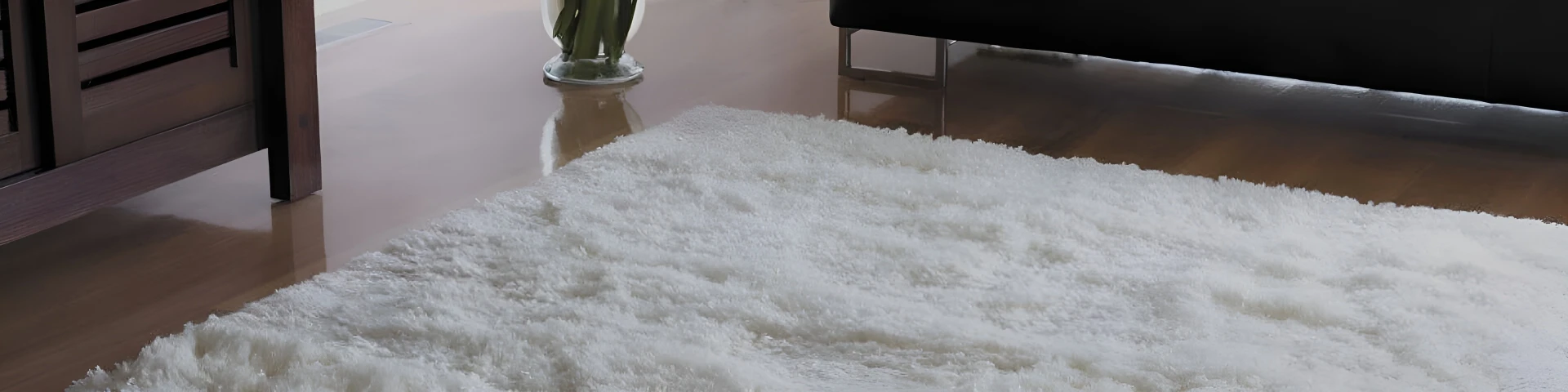
Rabbit faux rug, representing a synthetic alternative to natural rabbit fur, occupies a significant niche within the broader textile and home furnishings industry. Positioned as a cruelty-free and often more cost-effective option, its technical relevance lies in replicating the aesthetic and tactile qualities of genuine fur while leveraging the advancements in polymer science and textile manufacturing. Core performance characteristics center around thermal insulation, aesthetic appeal, durability under typical domestic use conditions, and adherence to flammability standards. The growing demand for sustainable and ethically sourced materials has propelled the faux fur market, creating increased scrutiny on material composition, manufacturing processes, and long-term performance attributes. This guide provides a detailed technical overview of rabbit faux rug, covering material science, manufacturing, performance analysis, failure modes, and relevant industry standards, aimed at procurement professionals, textile engineers, and quality control personnel.
Material Science & Manufacturing
The primary material component of rabbit faux rug is typically a polyester or acrylic microfiber, chosen for its ability to mimic the texture and sheen of natural rabbit fur. Polyester (polyethylene terephthalate - PET) offers superior durability and resistance to abrasion, while acrylic polymers provide a softer hand feel and better dye uptake. The base fabric is often knitted or woven from polyester or polypropylene, providing structural support for the pile fibers. Manufacturing typically involves several key steps: Fiber extrusion – the polymer is melted and forced through spinnerets to create continuous filaments. These filaments are then crimped to enhance bulk and create a more natural appearance. Pile formation – the crimped fibers are attached to the base fabric using various techniques, including weaving, knitting, or needle punching. Needle punching is common for creating a dense, plush pile. Dyeing and finishing – the rug is dyed to achieve the desired color and pattern. Finishing treatments may include softening agents, anti-static treatments, and stain repellents. Pile cutting and grooming – the pile is cut to a uniform length and groomed to enhance its appearance and simulate the texture of real rabbit fur. Parameter control is critical throughout the process. Fiber denier (fineness) directly impacts the softness and drape. Pile density dictates the rug’s weight, thermal insulation, and overall appearance. Dyeing uniformity and colorfastness are assessed using spectrophotometry and wash testing. The structural integrity of the base fabric and pile attachment are key determinants of long-term durability.
Performance & Engineering
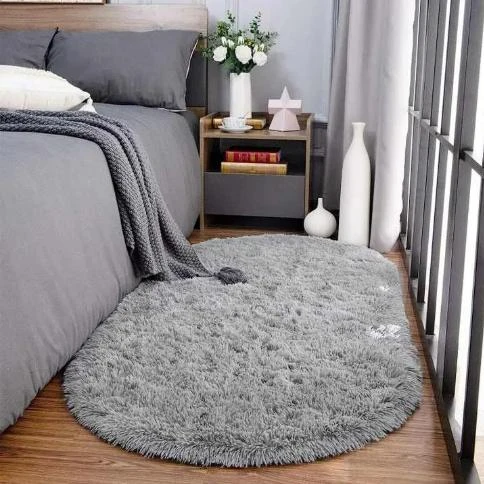
Performance characteristics of rabbit faux rug are evaluated based on several engineering principles. Thermal insulation is a crucial factor, determined by the pile density, fiber type, and air entrapment within the structure. Testing is conducted according to ASTM C177, measuring thermal resistance (R-value). Durability is assessed through abrasion testing (ASTM D3886), simulating foot traffic. Tensile strength of the base fabric and pile attachment are measured using ASTM D4266, providing insight into resistance to tearing and delamination. Flammability is a critical safety concern, addressed through testing per California Technical Bulletin 117 (CS 117) and similar standards. The rug’s resistance to compression set – its ability to recover its original shape after being subjected to sustained pressure – is evaluated to predict its long-term aesthetic performance. Environmental resistance is another consideration; UV exposure can cause color fading and fiber degradation, tested according to ASTM G154. Chemical resistance, especially to common household cleaning agents, is assessed to ensure longevity and prevent staining. The design of the pile structure (fiber height, density, crimp) directly impacts its tactile properties and ability to mimic the look and feel of natural rabbit fur. Force analysis considers the stress distribution within the pile fibers and their attachment points, informing design choices for enhanced durability.
Technical Specifications
| Parameter | Polyester Faux Rabbit Rug | Acrylic Faux Rabbit Rug | Typical Range |
|---|---|---|---|
| Pile Fiber Composition | 100% Polyester | 100% Acrylic | Polyester/Acrylic Blend (50/50) |
| Base Fabric Material | Polyester Knit | Polypropylene Woven | Polyester/Cotton Blend |
| Pile Height (mm) | 30-40 mm | 40-50 mm | 25-60 mm |
| Pile Density (grams/m²) | 800-1200 g/m² | 600-1000 g/m² | 500-1500 g/m² |
| Abrasion Resistance (Wyzenbeek cycles) | >10,000 cycles | >8,000 cycles | 5,000 – 20,000 cycles |
| Flammability (CS 117) | Pass | Pass | Pass/Fail |
Failure Mode & Maintenance
Rabbit faux rug is susceptible to several failure modes. Pile shedding is a common issue, particularly during initial use, resulting from loose fibers dislodging from the base fabric. This is exacerbated by frequent abrasion and improper cleaning. Fiber fatigue, caused by repeated bending and compression, can lead to pile breakage and a reduction in density over time. Delamination, the separation of the pile from the base fabric, is a critical failure mode indicating inadequate pile attachment strength. UV degradation causes color fading and fiber embrittlement, particularly with acrylic fibers. Oxidation can lead to fiber discoloration and reduced pliability. Staining from spills or improper cleaning agents is also a frequent issue. Maintenance recommendations include regular vacuuming to remove loose debris and prevent matting. Spot cleaning with mild detergent and water is advised for spills. Avoid harsh chemicals and excessive heat. Professional cleaning is recommended annually to restore pile loft and remove embedded dirt. Protecting the rug from direct sunlight minimizes UV degradation. Rotating the rug periodically distributes wear evenly and prolongs its lifespan. Addressing spills immediately prevents permanent staining. For delamination, professional rug repair services may be able to re-secure the pile, although complete restoration may not be possible.
Industry FAQ
Q: What is the primary difference in performance between polyester and acrylic faux rabbit rugs?
A: Polyester generally offers superior abrasion resistance and durability, making it suitable for high-traffic areas. Acrylic provides a softer hand feel and better dye uptake, resulting in a more visually appealing and realistic aesthetic, but is more susceptible to UV degradation and pilling.
Q: How does the pile density affect the thermal insulation properties of the rug?
A: Higher pile density equates to greater air entrapment within the structure, improving thermal resistance (R-value) and providing better insulation. However, excessively high density can also lead to a stiffer and less comfortable feel.
Q: What is the significance of the flammability testing (CS 117) for faux fur rugs?
A: CS 117 ensures the rug meets safety standards regarding its resistance to ignition and flame spread. Passing this test is crucial for compliance with regulations in many jurisdictions and minimizes the risk of fire hazards.
Q: What types of cleaning agents should be avoided when cleaning a rabbit faux rug?
A: Harsh chemicals, bleach, and solvents should be avoided as they can damage the fibers, cause discoloration, and reduce the rug’s lifespan. Mild detergent and water are recommended for spot cleaning.
Q: How can I mitigate the risk of pile shedding in a new faux rabbit rug?
A: Initial pile shedding is common. Frequent vacuuming with a low-suction vacuum cleaner during the first few weeks of use can help remove loose fibers. Avoid aggressive brushing or scrubbing, which can exacerbate the problem.
Conclusion
Rabbit faux rug represents a technically sophisticated alternative to natural fur, successfully replicating aesthetic qualities through careful material selection and manufacturing processes. The performance of these rugs is dictated by factors such as fiber composition, pile density, and adherence to rigorous testing standards for durability, flammability, and UV resistance. Understanding these key parameters is crucial for informed procurement decisions and ensuring long-term product satisfaction.
The future of faux fur technology will likely involve the development of more sustainable materials, improved manufacturing techniques for enhanced durability, and advanced fiber treatments to enhance resistance to environmental degradation and staining. Continuous refinement of these aspects will solidify the position of rabbit faux rug as a viable and ethically responsible option within the textile industry.