

rabbit fur rugs for sale Performance Analysis
Introduction
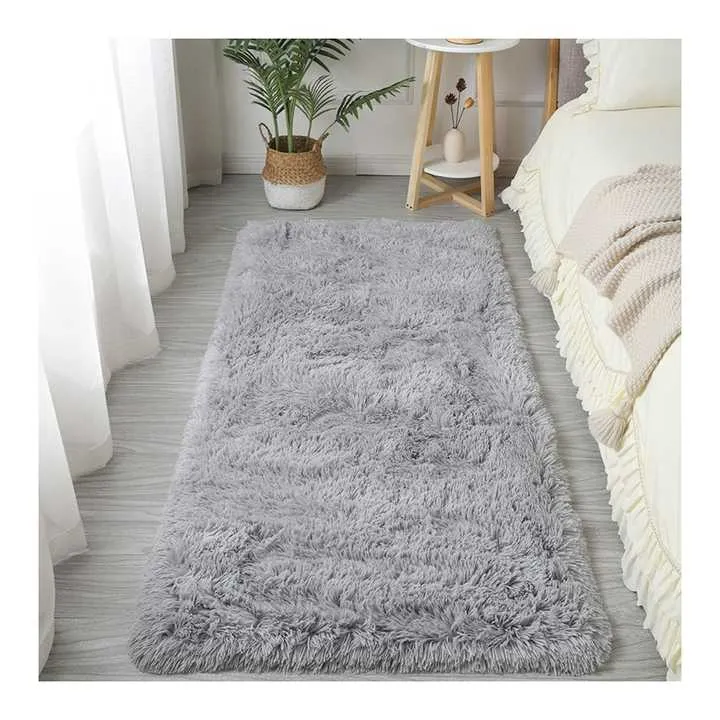
Rabbit fur rugs represent a niche segment within the broader floor covering market, distinguished by their inherent softness, thermal properties, and aesthetic appeal. Unlike traditionally sourced animal hides, rabbit fur offers a distinct fiber structure that impacts its performance characteristics. This technical guide details the material science, manufacturing processes, performance considerations, potential failure modes, and maintenance protocols relevant to rabbit fur rugs intended for both residential and light commercial applications. The rug's position in the supply chain extends from rabbit farming and pelt processing, through tanning and dyeing, to final rug construction (weaving, knitting, or attachment to backing materials). Core performance attributes center on pile density, fiber length, colorfastness, and resistance to wear and degradation. Understanding these facets is crucial for informed procurement, quality control, and long-term product durability. The industry currently faces challenges concerning ethical sourcing, consistent fur quality across different breeds, and minimizing environmental impact during tanning and processing.
Material Science & Manufacturing
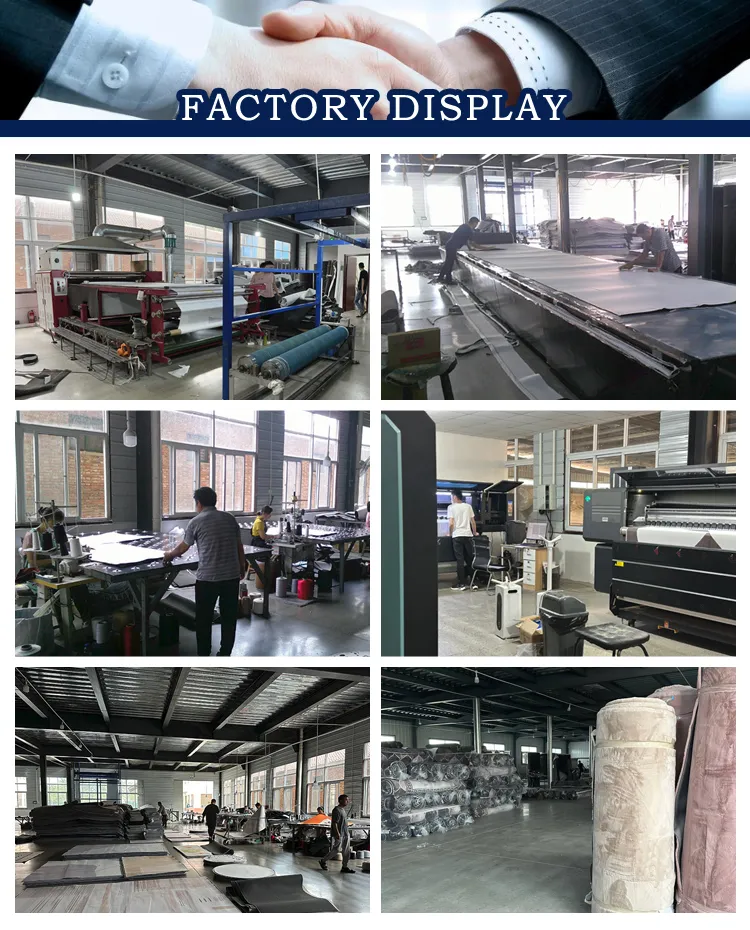
The primary material constituent is rabbit fur, specifically the undercoat, which provides the desirable softness. Several rabbit breeds are utilized, including Rex, Satin, and Angora, each exhibiting variations in fiber density, length, and texture. Rex rabbits are prized for their velvet-like short pile, while Angora rabbits yield exceptionally long and fine fibers. Fiber diameter typically ranges from 17-25 micrometers, contributing to the rug’s soft handle. Chemically, rabbit fur consists primarily of keratin, a fibrous structural protein also found in human hair and wool. Manufacturing initiates with pelt processing, involving skinning, curing (salting or drying), and dehairing. Tanning is critical to preserve the hide and prevent decomposition, commonly employing chemical tanning agents such as chromium salts or vegetable tannins. Dyeing follows, utilizing reactive dyes to achieve desired color palettes. The tanned and dyed fur is then processed into rugs through several methods: weaving (creating a structured pile), knitting (yielding a more flexible and stretchable rug), or by attaching sheared or whole fur pelts to a backing material (often jute, cotton, or synthetic fabrics) using adhesive bonding or stitching. Parameter control during tanning is paramount – pH levels, temperature, and chemical concentrations must be rigorously monitored to prevent irreversible damage to the fiber structure and maintain suppleness. Shearing precision dictates pile uniformity and aesthetic quality.
Performance & Engineering
Performance analysis of rabbit fur rugs necessitates consideration of several key factors. Pile density, measured in ounces per square yard (oz/yd²), directly correlates with the rug’s perceived luxury and thermal insulation. Fiber length impacts the rug's resilience and susceptibility to matting. Colorfastness, assessed via standardized tests like the AATCC 16E (lightfastness) and AATCC 15 (washfastness), determines the rug's resistance to fading and bleeding. Environmental resistance focuses on moisture absorption and potential for mildew growth. Rabbit fur, being a natural protein fiber, is susceptible to damage from prolonged exposure to moisture and requires careful drying. Force analysis reveals relatively low tensile strength compared to synthetic fibers, demanding gentle cleaning protocols. The structural integrity is heavily dependent on the backing material; therefore, its tensile strength, elongation at break, and dimensional stability are critical engineering parameters. Compliance requirements relate primarily to flammability (meeting standards like NFPA 701 for commercial applications) and the absence of harmful chemicals (compliance with REACH and OEKO-TEX standards). The rug's weight distribution and potential for slip hazards also need to be evaluated, particularly in high-traffic areas. Pile height also impacts the coefficient of friction and the rug’s ability to remain stable on various flooring surfaces.
Technical Specifications
| Parameter | Unit | Typical Value (Rex Rabbit) | Typical Value (Angora Rabbit) |
|---|---|---|---|
| Pile Density | oz/yd² | 20-30 | 15-25 |
| Fiber Diameter | µm | 18-22 | 15-18 |
| Fiber Length | mm | 25-35 | 50-80 |
| Tensile Strength (Fiber) | cN/tex | 10-15 | 8-12 |
| Moisture Regain | % | 12-18 | 15-20 |
| Colorfastness to Light (AATCC 16E) | Rating (1-5) | 3-4 | 3-4 |
Failure Mode & Maintenance
Rabbit fur rugs are susceptible to several failure modes. Fiber shedding is a common occurrence, particularly during initial use. Matting and crushing of the pile can occur in high-traffic areas, reducing aesthetic appeal and diminishing thermal insulation. Dry cleaning is the recommended method for cleaning as aqueous cleaning agents can damage the fur. Moth infestation represents a significant threat, as moths feed on keratin. Regular brushing and the use of moth repellents are crucial preventative measures. Oxidation and yellowing can occur upon prolonged exposure to sunlight and pollutants. Degradation of the tanning agents can lead to fiber brittleness and loss of suppleness. Adhesive failure (in rugs where fur is attached to a backing) can result in fur detachment. Preventative maintenance includes regular vacuuming (using a gentle brush attachment), avoiding direct sunlight exposure, promptly addressing spills, and professional dry cleaning as needed. Restoration efforts for damaged rugs often involve re-tanning, re-dyeing, and localized pile repair. Identifying the root cause of failure (e.g., inadequate tanning, moth damage, excessive wear) is critical for effective repair strategies.
Industry FAQ
Q: What differentiates rabbit fur rugs from those made with sheepskin or cowhide?
A: Rabbit fur possesses a significantly softer and more delicate texture compared to sheepskin and cowhide. Its fiber structure is finer, resulting in a more luxurious feel. Sheepskin typically offers greater durability and resilience, while cowhide is known for its robust strength. Rabbit fur has a lower pile height, providing a different aesthetic than the longer pile of sheepskin. In terms of thermal properties, all three provide excellent insulation, but rabbit fur's density impacts its warmth retention.
Q: Are there ethical concerns associated with rabbit fur sourcing, and how are they addressed?
A: Ethical concerns revolve around animal welfare in rabbit farming. Reputable suppliers adhere to certification programs such as those from the International Fur Federation (IFF), which promote humane farming practices. These programs emphasize adequate living conditions, proper feeding, and humane slaughter methods. Transparency in the supply chain is also crucial, allowing consumers to trace the origin of the fur. Sustainable sourcing practices are increasingly important, focusing on minimizing environmental impact and supporting responsible farming operations.
Q: What is the expected lifespan of a high-quality rabbit fur rug with proper care?
A: With diligent care, a high-quality rabbit fur rug can last 10-20 years, or even longer. Regular vacuuming, professional dry cleaning every 1-2 years, and prompt attention to spills are essential. Protecting the rug from direct sunlight and moth infestation significantly extends its lifespan. The quality of the tanning process and the backing material also influence durability.
Q: How does the tanning process impact the quality and longevity of the fur?
A: The tanning process is paramount. Properly tanned fur remains supple, retains its natural oils, and resists decomposition. Improper tanning can lead to fiber brittleness, cracking, and premature degradation. Chromium tanning is common but raises environmental concerns due to chromium waste. Vegetable tanning offers a more eco-friendly alternative, but can be more time-consuming and expensive. The skill and experience of the tanner are critical to achieving optimal results.
Q: What are the common cleaning mistakes that can damage a rabbit fur rug?
A: Using water-based cleaning solutions is a common and damaging mistake. Rabbit fur is sensitive to water and can become matted, distorted, or even suffer fiber damage. Avoid steam cleaning, excessive rubbing, and harsh detergents. Attempting to wash the rug in a washing machine is also strongly discouraged. Improper drying can lead to shrinkage and fiber loss.
Conclusion
Rabbit fur rugs offer a luxurious and aesthetically pleasing flooring option, but their performance and longevity are inextricably linked to material science, manufacturing quality, and diligent maintenance. Understanding the nuances of fiber properties, tanning processes, and potential failure modes is crucial for both manufacturers and consumers. The selection of appropriate rabbit breeds, rigorous quality control during production, and adherence to established cleaning protocols are paramount to maximizing the rug’s lifespan and preserving its inherent qualities.
Future development within the industry will likely focus on more sustainable tanning methods, improved moth-proofing treatments, and enhanced backing materials that provide increased durability and stability. Further research into fiber modification techniques could potentially improve the rug’s resistance to wear and environmental degradation, expanding its applicability in diverse environments.