

round faux sheepskin rug Performance Analysis
Introduction
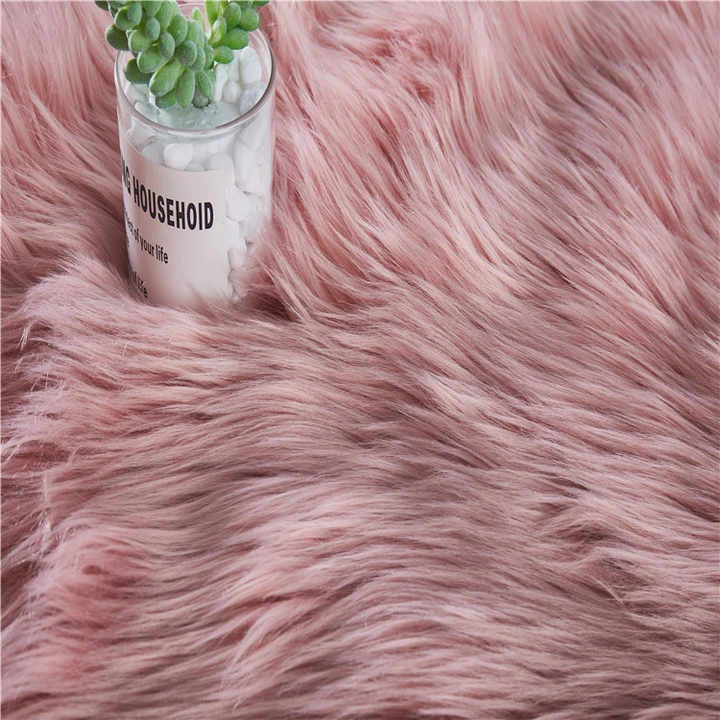
Round faux sheepskin rugs represent a significant category within the broader decorative textiles industry, specifically targeting the home furnishings and interior design sectors. These rugs are manufactured as alternatives to genuine sheepskin, utilizing synthetic fibers to mimic the aesthetic and tactile properties of natural wool. Their technical position lies in providing a cost-effective, hypoallergenic, and easily maintained surface covering for various applications – from floor accents and seating additions to children’s play areas and pet comfort zones. Core performance characteristics center on fiber durability, pile density, colorfastness, and resistance to wear and tear. Understanding these attributes is critical for manufacturers, retailers, and consumers alike, particularly given increasing scrutiny of material sourcing and product longevity. This guide provides a comprehensive technical analysis of round faux sheepskin rugs, covering material science, manufacturing processes, performance engineering, failure modes, and relevant industry standards.
Material Science & Manufacturing
The foundation of a round faux sheepskin rug rests on the selection and processing of synthetic fibers. Predominantly, these rugs are constructed from acrylic, polyester, or polypropylene fibers, chosen for their ability to replicate the texture and appearance of natural sheepskin. Acrylic fibers are favored for their wool-like hand feel and excellent dyeability, though they exhibit lower abrasion resistance compared to polyester. Polyester offers superior durability and resistance to crushing, but can feel less soft. Polypropylene is often selected for its affordability, stain resistance, and moisture resistance, making it suitable for high-traffic areas. The manufacturing process begins with polymer production—typically via the addition polymerization of acrylonitrile (for acrylic), the esterification of ethylene glycol and terephthalic acid (for polyester), or the polymerization of propylene (for polypropylene). These polymers are then spun into filaments, often using melt spinning or dry spinning techniques. Following fiber production, a crucial stage involves tufting or needle punching. Tufting involves inserting loops of fiber through a primary backing material (often polypropylene), creating the pile. Needle punching interlocks fibers directly into the backing using barbed needles. A latex or polyurethane adhesive secures the fibers to the backing. Finally, a secondary backing—typically felt or a non-woven fabric—is applied for enhanced stability and cushioning. Critical parameters during manufacturing include fiber denier (influencing softness and bulk), pile height (determining the rug's overall thickness and appearance), and backing weight (affecting durability and dimensional stability). Precise control of these parameters is vital for achieving the desired aesthetic and performance qualities. Dyeing processes, typically utilizing acid dyes for acrylic and disperse dyes for polyester, are also carefully monitored to ensure colorfastness and uniformity.

Performance & Engineering
The performance of a round faux sheepskin rug is dictated by several engineering considerations, focusing on durability, safety, and comfort. Pile resilience – the ability of the fibers to spring back after compression – is a key performance indicator, directly impacting the rug’s aesthetic appeal and longevity. This resilience is influenced by fiber type, denier, and the rug’s construction method. Force analysis reveals that constant foot traffic induces compressive stress on the pile, leading to gradual fiber deformation and wear. The rug’s backing plays a critical role in distributing these loads and preventing delamination. Environmental resistance is another important factor. Exposure to ultraviolet (UV) radiation can cause color fading and fiber degradation, particularly in acrylic fibers. Moisture resistance varies significantly by fiber type; polypropylene excels in this area, while acrylic and polyester can absorb some moisture, potentially leading to mildew growth if not properly dried. Compliance requirements are increasingly stringent, with regulations addressing flammability (particularly California Proposition 65), volatile organic compound (VOC) emissions (Green Label Plus certification by the Carpet and Rug Institute), and the presence of restricted substances (REACH and RoHS directives). Functional implementation centers around the rug’s intended use. For children’s play areas, low pile height and non-slip backings are essential for safety. For pet applications, stain resistance and ease of cleaning are paramount. The structural integrity of the rug – its ability to maintain its shape and dimensions over time – is also crucial, dependent on the backing material's tensile strength and the secure adhesion of the pile fibers. Careful consideration of these factors ensures optimal performance and user satisfaction.
Technical Specifications
| Parameter | Acrylic Fiber Rug | Polyester Fiber Rug | Polypropylene Fiber Rug | Units |
|---|---|---|---|---|
| Pile Height | 20-30 | 15-25 | 10-20 | mm |
| Pile Density | 800-1200 | 900-1400 | 600-1000 | grams/m² |
| Fiber Denier | 2-6 | 1.5-4 | 2-5 | dtex |
| Tensile Strength (Backing) | 200-300 | 250-350 | 150-250 | N/5cm |
| Colorfastness to Light (Grey Scale) | 4-5 | 5-6 | 6-7 | Rating (1-7) |
| Moisture Absorption | 3-5 | 0.5-2 | 0.1-1 | % |
Failure Mode & Maintenance
Round faux sheepskin rugs are susceptible to several failure modes, impacting their aesthetic appeal and functional performance. Pile crushing, resulting from prolonged compression, is a common issue, particularly in areas of high foot traffic. This leads to a flattened appearance and reduced softness. Fiber shedding, initially more pronounced in new rugs, can continue over time due to fiber breakage and loose fiber ends. Delamination, the separation of the pile from the backing, represents a significant failure mode, often caused by adhesive failure or physical stress. Oxidation, particularly in acrylic fibers exposed to UV radiation, can cause color fading and fiber embrittlement. Another failure mechanism is matting and tangling of the fibers, diminishing the rug’s overall appearance. Maintenance is crucial for mitigating these failures. Regular vacuuming – ideally using a suction-only vacuum cleaner to avoid damaging the fibers – removes dust and debris. Spot cleaning with a mild detergent and water is recommended for spills, avoiding harsh chemicals that can discolor or damage the fibers. Professional cleaning, utilizing low-moisture extraction methods, can revitalize the rug and remove deeply embedded dirt. Avoiding direct sunlight exposure minimizes UV-induced degradation. Rotation of the rug periodically helps distribute wear evenly, preventing localized crushing and fading. Addressing minor delamination issues promptly with fabric adhesive can prevent further deterioration. Proper maintenance extends the rug’s lifespan and preserves its aesthetic and functional qualities.
Industry FAQ
Q: What is the primary difference in durability between acrylic and polyester faux sheepskin rugs?
A: Polyester generally exhibits superior abrasion resistance and resilience compared to acrylic. While acrylic offers a softer, more wool-like feel, polyester fibers are less prone to crushing and maintain their shape for a longer duration under consistent foot traffic. This translates to a longer lifespan for polyester rugs, particularly in high-use areas.
Q: How does the backing material contribute to the overall stability of the rug?
A: The backing material provides critical structural support. A high-quality backing, typically a robust polypropylene or felt material, distributes weight evenly, prevents stretching and warping, and secures the pile fibers in place. Lower-quality backings are prone to cracking and delamination, leading to premature rug failure.
Q: What certifications should I look for to ensure a rug meets safety standards regarding VOC emissions?
A: The Green Label Plus certification from the Carpet and Rug Institute (CRI) is the gold standard for low-VOC emissions. This certification signifies that the rug has been independently tested and meets stringent requirements for indoor air quality. Additionally, compliance with REACH and RoHS directives indicates restrictions on hazardous substances.
Q: Can faux sheepskin rugs be safely cleaned with steam cleaners?
A: Steam cleaning is generally not recommended for faux sheepskin rugs. The high heat and moisture can damage the fibers and cause the backing to deteriorate. Low-moisture extraction cleaning methods are the preferred approach for deep cleaning, minimizing the risk of damage.
Q: How does fiber denier affect the feel and appearance of the rug?
A: Lower fiber denier values (e.g., 1.5-2 dtex) generally result in softer, more delicate fibers, creating a plusher feel. However, lower denier fibers are also more susceptible to wear and tear. Higher denier values (e.g., 5-6 dtex) offer greater durability and resilience but may feel slightly coarser to the touch. The optimal denier depends on the intended application and desired aesthetic.
Conclusion
Round faux sheepskin rugs offer a versatile and cost-effective alternative to natural sheepskin, providing both aesthetic appeal and functional comfort. Their performance is intrinsically linked to the material science of the synthetic fibers used—acrylic, polyester, and polypropylene—and the precision of the manufacturing processes employed. Understanding the interplay between pile height, density, fiber denier, and backing quality is paramount for ensuring durability and longevity.
Continued advancements in polymer technology and manufacturing techniques are driving improvements in the performance and sustainability of these rugs. Future developments will likely focus on enhancing UV resistance, increasing stain resistance, and utilizing recycled materials to minimize environmental impact. Selecting a rug that meets specific performance requirements and adhering to proper maintenance practices are key to maximizing its lifespan and enjoying its benefits for years to come.