


small animal hide rug Performance Analysis

Introduction
Small animal hide rugs represent a niche segment within the broader floor coverings market, distinguished by their use of pelts sourced from smaller mammals such as sheepskin, goatskin, rabbit, and occasionally beaver or fox. Positioned between luxury textile goods and raw material supply, these rugs serve primarily as decorative items, providing tactile warmth and aesthetic appeal. Their production chain involves animal husbandry, tanning, fur dressing, and finishing processes. Core performance characteristics revolve around durability, texture, thermal insulation, aesthetic variance (color, pattern), and adherence to animal welfare and environmental sustainability standards. Increasingly, consumer demand is driven by concerns regarding ethical sourcing and environmentally responsible tanning practices, presenting a significant challenge and opportunity for manufacturers. The inherent variability of natural hides necessitates robust quality control throughout the entire process, from raw material selection to final product inspection. Unlike synthetic rugs, the performance and longevity are deeply tied to the inherent fiber structure and collagen content of the hide.
Material Science & Manufacturing
The primary raw material is, fundamentally, collagen – a fibrous protein constituting approximately 70-80% of the dry weight of the hide. The collagen structure, consisting of tightly wound triple helices, dictates the hide's tensile strength and elasticity. Other components include water (variable, ~50-60% fresh hide), fats, and inorganic salts. Hide types vary considerably in fiber density and collagen crosslinking, affecting their suitability for rug production. Sheepskin, for instance, exhibits a relatively loose fiber structure resulting in a softer texture, while goatskin possesses tighter fibers and greater durability.
Manufacturing begins with the removal of the hide from the animal, followed by preservation – typically through salting, drying, or chilling. Tanning is the crucial process converting the perishable hide into stable leather. Common tanning methods include vegetable tanning (using tannins from tree bark), chrome tanning (using chromium salts), and aldehyde tanning (using formaldehyde or glutaraldehyde). Chrome tanning is the most prevalent method due to its speed and cost-effectiveness but faces increasing scrutiny regarding environmental impact. Vegetable tanning, while slower and more expensive, is considered more eco-friendly. After tanning, the hide undergoes fur dressing, involving mechanical and chemical treatments to soften the leather, remove excess fat, and prepare it for finishing. Finishing processes may include dyeing, shearing, and applying protective coatings. Shearing height and pattern are critical parameters controlling the final aesthetic. Quality control at each stage – raw material grading, tanning monitoring (pH, temperature, chromium content), and finishing inspection (color consistency, fiber density) – is essential to ensure product uniformity and performance. The orientation of the hair follicles during the stretching and drying process significantly impacts the final appearance and feel of the rug.
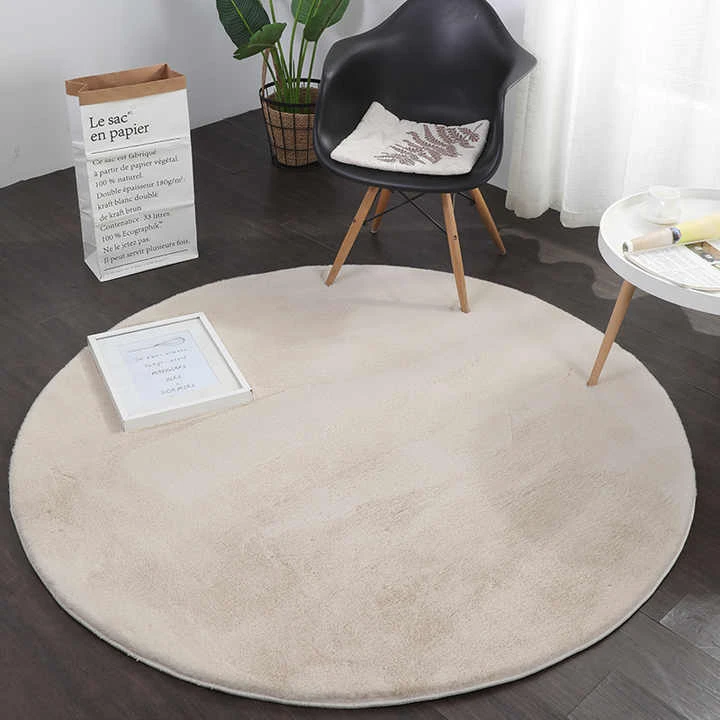
Performance & Engineering
The performance of a small animal hide rug is largely dictated by its resistance to abrasion, tensile strength, tear resistance, and thermal insulation properties. Abrasion resistance is directly linked to the fiber density and the quality of the tanning process. Higher fiber density and thorough tanning lead to increased abrasion resistance. Tensile strength, measured in Newtons (N) or pounds-force (lbf), quantifies the hide’s resistance to stretching. The collagen fiber orientation plays a crucial role here; hides stretched during the tanning process exhibit higher tensile strength in the direction of stretch. Tear resistance, measuring the force required to propagate a tear, is another important parameter, particularly for rugs subjected to heavy foot traffic.
Thermal insulation is a significant advantage of hide rugs. The dense fur traps air, creating a barrier against heat loss. The R-value, a measure of thermal resistance, varies depending on fur length and density. Environmental resistance includes resistance to UV degradation (causing color fading and fiber embrittlement) and moisture (promoting mold and mildew growth). Protective coatings can enhance UV and moisture resistance. Compliance requirements vary by region but generally include restrictions on the use of harmful chemicals in the tanning process (e.g., hexavalent chromium) and regulations regarding animal welfare and sustainable sourcing. Force analysis under load (static and dynamic) determines the compression set – the permanent deformation of the rug under sustained pressure. Understanding the interplay between these performance characteristics is vital for optimizing rug design and ensuring long-term durability and functionality. The backing material, often canvas or latex, contributes significantly to the rug's dimensional stability and overall strength.
Technical Specifications
| Parameter | Sheepskin (Typical) | Goatskin (Typical) | Rabbit Hide (Typical) | Units |
|---|---|---|---|---|
| Tensile Strength (Longitudinal) | 30-40 | 45-60 | 20-30 | MPa |
| Tensile Strength (Transverse) | 20-30 | 35-50 | 15-25 | MPa |
| Tear Resistance | 15-25 | 20-35 | 10-20 | N |
| Abrasion Resistance (Taber Abraser) | 500-800 | 800-1200 | 300-500 | Cycles to Wear |
| R-Value (Thermal Resistance) | 1.5-2.0 | 1.2-1.8 | 0.8-1.5 | m²⋅K/W |
| Water Vapor Transmission Rate (WVTR) | 2000-3000 | 1500-2500 | 1000-2000 | g/m²/24h |
Failure Mode & Maintenance
Common failure modes for small animal hide rugs include fiber shedding, color fading, cracking, tearing, and biological degradation. Fiber shedding is often a result of poor tanning quality or excessive wear. Color fading is primarily caused by UV exposure, particularly with dyes that are not UV-stable. Cracking occurs due to repeated bending and stretching, especially in areas with lower fiber density. Tearing results from localized stress concentrations or pre-existing defects in the hide. Biological degradation, manifesting as mold or mildew growth, is prevalent in humid environments and can lead to discoloration and odor. Fatty liquors used in the tanning process can also oxidize over time, leading to stiffening and cracking.
Preventative maintenance includes regular vacuuming to remove dirt and debris, avoiding direct sunlight exposure to minimize color fading, and promptly addressing spills to prevent staining. Professional cleaning, using specialized leather cleaners, is recommended every 1-2 years. Avoid harsh chemicals or abrasive cleaners, as these can damage the hide fibers. For minor cracks, leather conditioners can help restore suppleness. If significant tearing occurs, professional repair by a leather specialist is advised. Proper storage in a cool, dry, and well-ventilated area is crucial to prevent mold and mildew growth. Periodic rotation of the rug can help distribute wear evenly and prolong its lifespan. Applying a leather protector can provide a barrier against water and stains, enhancing long-term durability.
Industry FAQ
Q: What is the difference between vegetable-tanned and chrome-tanned hides, and how does this impact rug performance?
A: Vegetable tanning utilizes natural tannins from plant sources, resulting in a firmer, more stable leather with a rich, natural color. It’s more environmentally friendly but slower and more expensive. Chrome tanning, using chromium salts, is faster and produces a softer, more pliable leather. However, chromium is a heavy metal with environmental concerns. Vegetable-tanned hides generally exhibit greater resistance to cracking and UV degradation, while chrome-tanned hides are more water resistant. Performance-wise, vegetable-tanned rugs tend to be more durable in high-wear areas, while chrome-tanned rugs offer a softer underfoot experience.
Q: How do I identify a high-quality sheepskin rug, and what characteristics should I look for?
A: High-quality sheepskin rugs will have a dense, consistent fiber length, a supple and pliable leather backing, and a uniform color throughout. The fibers should be securely anchored in the leather, minimizing shedding. Examine the leather side – it should be free from blemishes, scars, and excessive chemical residues. A slight, natural lanolin scent is acceptable; a strong chemical odor indicates poor tanning. Look for rugs with a soft, luxurious feel and avoid those that feel stiff or brittle.
Q: What is the recommended cleaning procedure for a rabbit hide rug?
A: Rabbit hide is delicate and requires gentle cleaning. Vacuum regularly with a soft brush attachment. For minor spills, blot immediately with a clean, damp cloth. Avoid using harsh chemicals, solvents, or abrasive cleaners. Professional leather cleaning is recommended for thorough cleaning. Dry cleaning is generally not advised as it can damage the fibers. Protect from direct sunlight and excessive moisture.
Q: Are there any certifications or standards related to the ethical sourcing of animal hides?
A: While a universally recognized standard is lacking, several initiatives promote ethical sourcing. The Leather Working Group (LWG) provides certification for tanneries based on environmental performance and traceability. Look for rugs labeled as ‘sustainably sourced’ or ‘ethically produced,’ but always request documentation to verify claims. Traceability back to the farm of origin is the gold standard for ensuring responsible animal husbandry practices.
Q: How does the backing material affect the overall performance and longevity of a small animal hide rug?
A: The backing material provides structural support and prevents the hide from stretching or distorting. Common backing materials include canvas, latex, and synthetic fabrics. Canvas offers good stability and breathability but can be prone to mildew in humid environments. Latex provides excellent cushioning and grip but can degrade over time. Synthetic fabrics offer a balance of durability and moisture resistance. A well-chosen backing material significantly enhances the rug's dimensional stability, prevents slippage, and prolongs its overall lifespan.
Conclusion
Small animal hide rugs represent a complex intersection of material science, manufacturing processes, and consumer demand for luxury and sustainability. Their performance characteristics, encompassing durability, thermal insulation, and aesthetic appeal, are fundamentally tied to the quality of the raw hide, the tanning method employed, and the meticulousness of the finishing processes. Addressing the challenges related to environmental impact, ethical sourcing, and long-term durability requires a holistic approach, from responsible animal husbandry to innovative tanning technologies and robust quality control measures.
The future of the industry hinges on embracing sustainable practices, improving traceability within the supply chain, and developing eco-friendly tanning alternatives. Further research into bio-based tanning agents and innovative finishing techniques will be crucial for minimizing environmental footprint and meeting evolving consumer expectations. Transparent communication regarding sourcing and manufacturing practices will be paramount for building trust and establishing long-term viability within this specialized segment of the floor coverings market.