


small faux hide rug Performance Analysis

Introduction
Small faux hide rugs represent a cost-effective and ethically sourced alternative to genuine animal hide rugs. Positioned within the broader flooring and home décor industry, these rugs typically serve as accent pieces, offering warmth and texture to interior spaces. They are manufactured utilizing synthetic materials designed to mimic the appearance and tactile properties of natural hides. Core performance characteristics include aesthetic appeal, durability against moderate foot traffic, resistance to staining, and ease of cleaning. A key industry driver is the increasing consumer demand for cruelty-free and sustainable products. Unlike natural hides requiring animal husbandry and tanning processes, faux hides address these ethical concerns while also offering consistent coloration and pattern availability. This guide provides a detailed technical overview of small faux hide rug construction, performance, failure modes, and relevant industry standards.
Material Science & Manufacturing
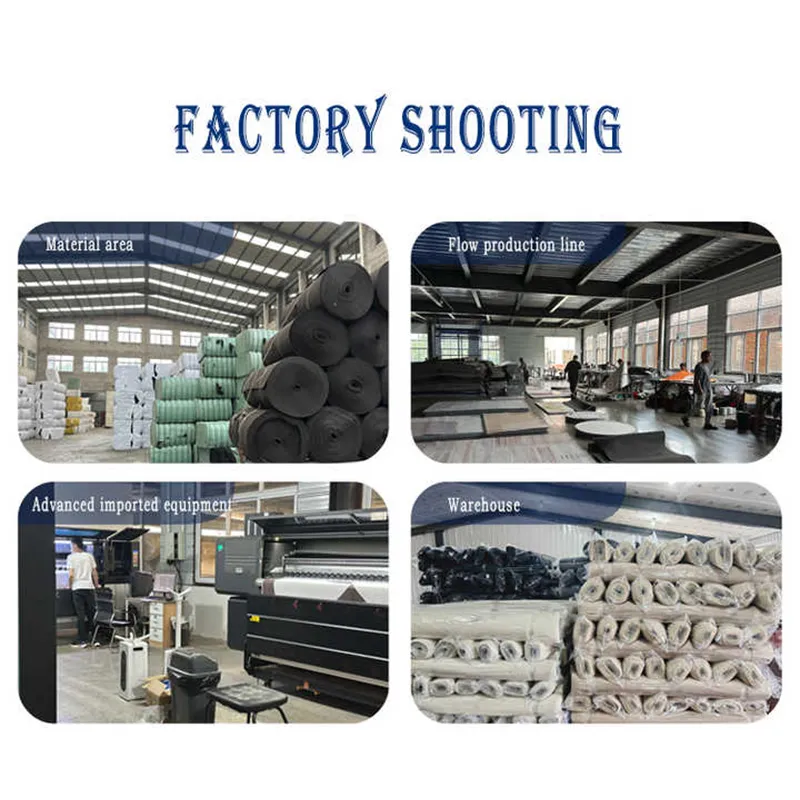
The primary material used in small faux hide rugs is typically polyester, though polypropylene, acrylic, and blends thereof are also common. Polyester provides a balance of cost-effectiveness, durability, and dyeability. The manufacturing process generally begins with the creation of a woven or non-woven fabric base, often polypropylene, providing structural integrity. This base is then coated with a layer of polyurethane foam or latex to simulate the depth and cushioning of a real hide. The crucial element is the surface treatment, which replicates the hide's texture and pattern. This is achieved through several techniques: Flocking, where short fibers are adhered to a resin-coated base; Printing, utilizing digital or screen-printing to apply realistic hide patterns; and Embossing, mechanically pressing a texture onto the surface. Parameter control during manufacturing is critical. Resin viscosity, fiber density during flocking, ink saturation during printing, and embossing pressure directly influence the rug's appearance, texture, and durability. The backing is usually finished with a non-slip material, commonly PVC or TPR (Thermoplastic Rubber), applied through calendaring or spraying. Chemical compatibility of the backing material with the base fabric and adhesives is essential to prevent delamination. Fiber denier and yarn twist within the base fabric also contribute to tensile strength and abrasion resistance.
Performance & Engineering
The performance of a small faux hide rug is largely determined by its resistance to wear, staining, and UV degradation. Force Analysis: The rug experiences compressive forces from foot traffic and static loads from furniture. The foam layer and base fabric distribute these forces, preventing premature wear. Tensile forces are generated during handling and movement. The base fabric’s tensile strength is paramount in resisting tearing. Environmental Resistance: Polyester offers good resistance to moisture, but prolonged exposure can lead to mildew growth. Polypropylene is more hydrophobic. UV resistance is a concern; prolonged sunlight exposure can cause fading and degradation of the fibers. UV stabilizers are often added to the polymer composition. Compliance Requirements: Faux hide rugs are subject to flammability standards, particularly in residential applications. Regulations such as California Proposition 65 address the presence of potentially harmful chemicals in the materials. Testing is conducted to ensure compliance with VOC (Volatile Organic Compound) emission limits. The pile height and density influence the rug’s thermal insulation properties and sound absorption coefficient. The rug’s resilience, measured by its ability to recover its original shape after compression, affects its long-term performance and appearance. Abrasion resistance is measured using methods like the Taber abrasion test, indicating the rug's ability to withstand wear and tear.
Technical Specifications
| Parameter | Unit | Typical Value | Test Method |
|---|---|---|---|
| Pile Height | mm | 20-30 | ASTM D593 |
| Total Weight | g/m² | 800-1200 | ASTM D3841 |
| Tensile Strength (Base Fabric) | N/cm | >150 | ASTM D4266 |
| Abrasion Resistance (Cycles to Wear) | cycles | >5000 | ASTM D3886 |
| Colorfastness to Light | Rating (1-5) | >4 | ASTM D1654 |
| Water Absorption | % | < 1.0 | ASTM D570 |
Failure Mode & Maintenance
Small faux hide rugs are susceptible to several failure modes. Delamination is a common issue, occurring when the surface layer separates from the base fabric, often due to adhesive failure or exposure to temperature fluctuations. Fiber Shedding can occur initially, particularly with flocked rugs, due to loose fibers. Compression Set, the permanent deformation of the foam layer under sustained pressure, reduces the rug's cushioning and appearance. Fading, caused by UV exposure, alters the rug’s color and aesthetic appeal. Staining from spills can occur if not addressed promptly. Wear and Tear from foot traffic leads to abrasion and loss of pile height. Maintenance: Regular vacuuming removes loose debris and prevents fiber matting. Spot cleaning with a mild detergent and water is recommended for spills. Avoid harsh chemicals or abrasive cleaners. Professional cleaning is advisable for deep-seated stains. Avoid prolonged direct sunlight exposure to minimize fading. Rotate the rug periodically to distribute wear evenly. To prevent delamination, avoid excessive moisture and maintain a stable temperature environment.
Industry FAQ
Q: What is the typical lifespan of a small faux hide rug under moderate residential use?
A: A well-maintained small faux hide rug typically lasts 3-5 years under moderate residential use. Lifespan is dependent on material quality, traffic volume, and the effectiveness of maintenance practices. Higher-quality polyester and polypropylene rugs with robust base fabrics will generally exhibit greater durability.
Q: How does the manufacturing process impact the rug's resistance to staining?
A: The surface treatment plays a significant role. Rugs with a tightly woven or densely flocked surface are more resistant to staining as they limit liquid penetration. Some manufacturers apply stain-resistant coatings during the finishing process, further enhancing protection. The type of dye used also influences stain resistance; solution-dyed fibers offer superior performance.
Q: What are the key considerations when selecting a faux hide rug for a home with pets?
A: Choose a rug with a low pile height and a tightly woven base fabric to minimize snagging from pet claws. Opt for materials known for their stain resistance and durability, such as polypropylene. Regular vacuuming is crucial to remove pet hair and debris. Consider a rug with a non-slip backing to prevent accidental sliding.
Q: What flammability standards are typically applied to faux hide rugs?
A: Faux hide rugs are typically required to meet flammability standards like the California Technical Bulletin 117 (TB 117) for residential use. This standard assesses the rug's resistance to ignition and its smoldering rate. Compliance ensures a level of fire safety for consumers.
Q: How does the choice of backing material affect the rug’s overall performance and longevity?
A: The backing material provides structural support and prevents slipping. PVC backings are cost-effective but can become brittle over time. TPR (Thermoplastic Rubber) backings offer superior flexibility and durability. The adhesive used to bond the backing to the base fabric is crucial; a strong, flexible adhesive prevents delamination and extends the rug’s lifespan.
Conclusion
Small faux hide rugs represent a versatile and accessible flooring solution, offering aesthetic appeal and functionality at a competitive price point. Their manufacturing relies on careful material selection and process control, with polyester being the predominant fiber due to its balance of properties. Performance is dictated by factors such as tensile strength, abrasion resistance, and resistance to UV degradation, all of which are rigorously tested against established industry standards.
Looking ahead, advancements in polymer technology and surface treatment techniques will continue to enhance the realism, durability, and sustainability of these rugs. Increased focus on eco-friendly materials and manufacturing processes will further address consumer demand for responsible products. Ongoing research into improved adhesive systems will mitigate the risk of delamination, extending the product’s lifespan and reducing waste. Ultimately, the continued success of small faux hide rugs will depend on maintaining a balance between cost-effectiveness, performance, and environmental responsibility.