

small faux rug Performance Analysis
Introduction
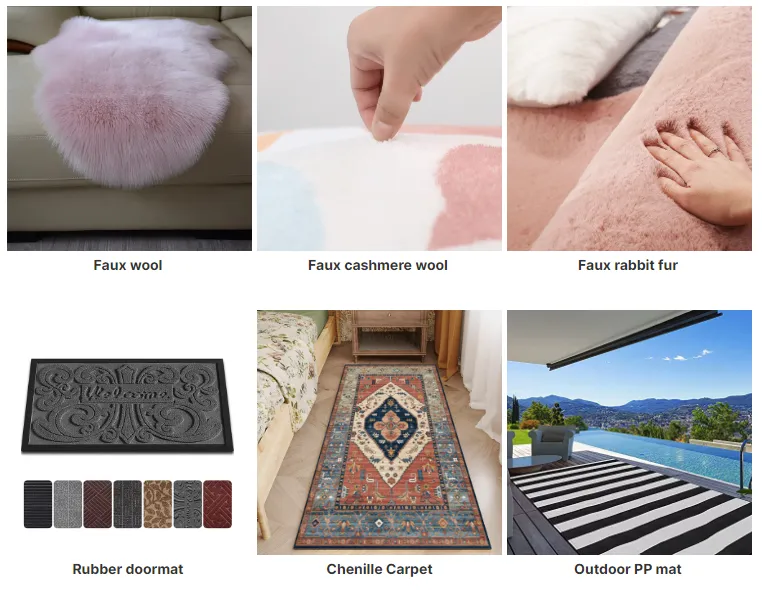
Small faux rugs represent a significant segment within the broader floor covering industry, positioned as an accessible and versatile alternative to natural fiber rugs. These rugs are typically constructed from synthetic materials engineered to mimic the aesthetic qualities of wool, silk, or other traditional rug fibers. Their technical position lies in providing a cost-effective, low-maintenance, and often hypoallergenic floor covering solution. Core performance characteristics include aesthetic appeal, durability against moderate foot traffic, stain resistance, and ease of cleaning. The market demands a balance between realistic texture, colorfastness, and resistance to wear, particularly in high-traffic areas and homes with pets. This guide provides an in-depth analysis of the materials, manufacturing processes, performance parameters, potential failure modes, and maintenance considerations associated with small faux rugs.
Material Science & Manufacturing
The primary materials used in small faux rug production are polypropylene (PP), polyester (PET), and acrylic. Polypropylene is favored for its cost-effectiveness, inherent stain resistance, and suitability for outdoor applications. Polyester provides superior color clarity and softness, making it ideal for rugs designed for aesthetic appeal. Acrylic fibers offer a wool-like texture and are often used in rugs intended to replicate higher-end natural fiber rugs. Manufacturing typically involves several stages. First, the synthetic polymer is extruded into filaments. These filaments are then heat-set to provide bulk and crimp, which contributes to the rug's texture and resilience. The yarn is then tufted or woven onto a backing material, commonly polypropylene or jute. Tufting involves inserting yarn loops through a primary backing, which are then secured with a secondary backing material coated with latex adhesive. Woven rugs involve interlacing warp and weft yarns to create a more durable and intricate structure. Critical parameters during manufacturing include yarn denier (fiber thickness), pile height, stitch density (for tufted rugs), and the quality and application of the latex adhesive. Inconsistent latex application can lead to delamination, while improper heat-setting can result in fiber distortion or flattening over time. Dyeing processes, employing solution dyeing or yarn dyeing techniques, are crucial for colorfastness and achieving desired aesthetic effects. Solution dyeing, where pigment is added during polymer extrusion, offers superior fade resistance compared to yarn dyeing.
Performance & Engineering
The performance of small faux rugs is critically evaluated based on several engineering parameters. Tensile strength, measured in pounds per square inch (PSI), indicates the rug’s resistance to tearing and stretching. A typical small faux rug should exhibit a tensile strength of at least 80 PSI in both warp and weft directions. Pile compression resistance, assessed via a standard compression-recovery test, determines the rug’s ability to maintain its shape and resilience under foot traffic. Higher compression recovery percentages correlate with better durability. Stain resistance is a key performance metric, typically evaluated using standardized tests involving common household staining agents (coffee, wine, ketchup). The rug’s resistance to fading is assessed through Xenon arc exposure testing, measuring color change after prolonged UV light exposure. Environmental resistance is also important, particularly for outdoor-rated rugs, which must withstand moisture, temperature fluctuations, and potential UV degradation. Compliance requirements vary by region, often governed by flammability standards (e.g., California Proposition 65 for phthalates, ASTM E648 for smoke density) and VOC emission standards (e.g., CARB Section 93120 for formaldehyde). Force analysis reveals that the majority of stress is concentrated at the pile fibers and the bond between the pile and the backing, making these areas susceptible to wear and failure.
Technical Specifications
| Parameter | Polypropylene (PP) | Polyester (PET) | Acrylic | Typical Range |
|---|---|---|---|---|
| Tensile Strength (PSI) | 60-90 | 70-100 | 50-80 | 60-120 |
| Pile Height (mm) | 5-12 | 8-15 | 10-20 | 5-25 |
| Density (g/m²) | 800-1500 | 1200-2000 | 900-1800 | 800-2500 |
| Water Absorption (%) | 0.5-1.0 | 0.8-1.5 | 1.0-2.0 | 0.5-2.5 |
| Colorfastness to Light (Rating 1-5) | 3-4 | 4-5 | 3-4 | 3-5 |
| Flame Retardancy (ASTM E648 Smoke Density) | ≤250 | ≤200 | ≤300 | ≤300 |
Failure Mode & Maintenance
Small faux rugs are susceptible to several failure modes. Delamination, the separation of the pile from the backing, is a common issue, often caused by inadequate latex adhesion or excessive wear. Fiber shedding, particularly in the initial stages of use, is inherent to most cut-pile rugs and is exacerbated by high foot traffic. Pile crushing occurs when the fibers become flattened and lose their resilience due to sustained pressure. Fading and discoloration result from prolonged UV exposure and can be mitigated with UV stabilizers in the fiber formulation. Stain penetration, while generally good for PP and PET, can occur if spills are not addressed promptly. Oxidation and degradation of the fibers can occur over time, especially with acrylic rugs exposed to harsh chemicals or extreme temperatures. Maintenance should include regular vacuuming to remove dirt and debris, prompt spot cleaning of spills using mild detergents, and periodic professional cleaning to restore pile loft and remove embedded contaminants. Avoid harsh chemicals and abrasive cleaners, as these can damage the fibers. Rotate the rug periodically to distribute wear evenly. For outdoor rugs, regular rinsing with water can help remove dirt and prevent mildew growth.
Industry FAQ
Q: What is the primary difference between polypropylene and polyester in terms of rug performance?
A: Polypropylene offers superior stain resistance and is generally more cost-effective. However, polyester provides better color clarity, a softer texture, and is less prone to static buildup. Polyester is generally preferred where aesthetic appeal and comfort are paramount, while polypropylene excels in high-traffic or outdoor applications.
Q: How does pile height impact the durability and comfort of a faux rug?
A: Higher pile heights generally offer greater comfort underfoot but are more susceptible to crushing and matting. Lower pile heights are more durable and easier to clean, making them suitable for high-traffic areas. The optimal pile height depends on the intended use and desired aesthetic.
Q: What is solution dyeing and why is it important for colorfastness?
A: Solution dyeing involves adding pigment to the molten polymer before the fibers are extruded. This results in a more uniform and durable color that is highly resistant to fading, as the pigment is embedded within the fiber rather than applied to the surface.
Q: What should be considered when selecting a backing material for a faux rug?
A: The backing material provides structural support and prevents delamination. Polypropylene is commonly used for its durability and water resistance. Jute is a natural fiber backing that offers good breathability but is less resistant to moisture. The choice of backing depends on the intended use and budget.
Q: How can I prevent delamination in a tufted faux rug?
A: Ensuring proper latex adhesion during manufacturing is crucial. Avoid excessive moisture exposure, as this can weaken the adhesive. Regular vacuuming can also help prevent delamination by removing abrasive particles that can contribute to wear. Select rugs from manufacturers with a proven track record of quality control.
Conclusion
Small faux rugs offer a compelling combination of affordability, aesthetics, and practicality within the floor covering market. Understanding the material science – particularly the properties of polypropylene, polyester, and acrylic – is critical for selecting a rug that meets specific performance requirements. The manufacturing processes, including tufting, weaving, and dyeing techniques, directly impact the rug’s durability, stain resistance, and colorfastness.
Effective maintenance, including regular cleaning and appropriate stain treatment, is essential for extending the lifespan of the rug and preserving its aesthetic qualities. Adherence to relevant industry standards, such as flammability and VOC emission regulations, ensures product safety and environmental responsibility. Continued innovation in fiber technology and manufacturing processes will likely lead to even more durable, sustainable, and aesthetically pleasing faux rug options in the future.