


tan faux fur rug Performance Analysis
Introduction
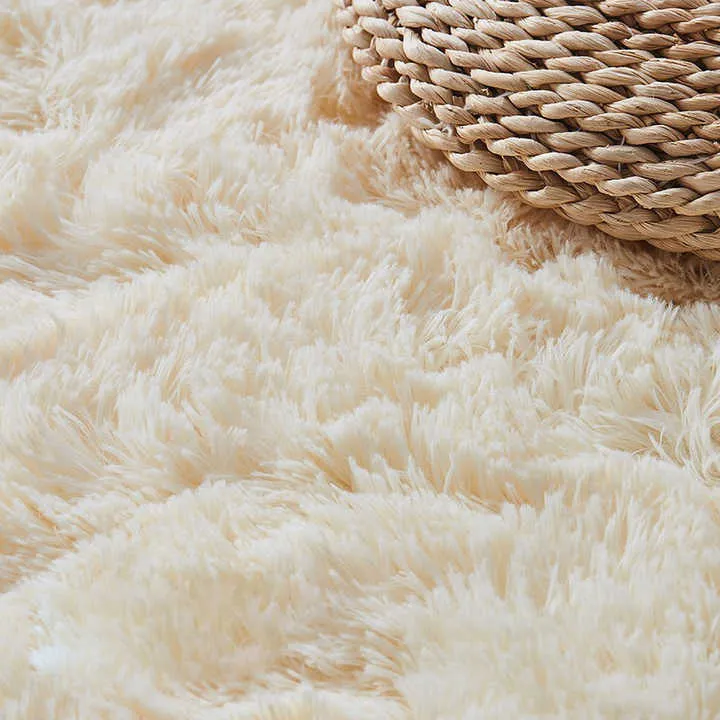
Tan faux fur rugs represent a significant segment within the broader interior textile market, offering a cost-effective and ethically sourced alternative to genuine animal fur. Positioned as a decorative flooring solution, they fall within the category of synthetic pile rugs, typically constructed from acrylic, polyester, or polypropylene fibers. Their core performance characteristics revolve around aesthetics – providing a soft, luxurious feel – combined with practical attributes such as ease of cleaning and relative durability. The increasing consumer demand for vegan and cruelty-free products has driven substantial growth in this market. A key industry pain point is balancing the perceived value (softness, appearance) with ensuring acceptable levels of shedding, pilling, and long-term colorfastness. This guide provides an in-depth technical analysis of tan faux fur rug construction, performance, failure modes, and relevant industry standards, intended for procurement professionals, quality control engineers, and retail buyers.
Material Science & Manufacturing
The foundation of tan faux fur rugs lies in synthetic polymers. The most common materials include: Acrylic (PMMA): favored for its wool-like feel and good dyeability, though susceptible to pilling and lower resilience; Polyester (PET): offering superior durability, stain resistance, and cost-effectiveness, but potentially lacking the luxurious softness of acrylic; Polypropylene (PP): providing excellent stain resistance and affordability, but with a less natural texture and potential for matting. The 'fur' fibers are typically extruded through spinnerets, creating continuous filaments. These filaments are then cut to a specific length (pile height, typically ranging from 20mm to 60mm) and crimped to create the characteristic fluffy texture. The backing material is crucial for structural integrity and typically consists of jute, polypropylene, or a latex/rubber composite. Manufacturing processes involve fiber production, tufting (inserting fibers into the backing), and finishing. Tufting can be either cut-pile (creating individual fiber ends) or loop-pile (leaving fibers looped). A critical parameter is pile density – measured in ounces per square yard – directly influencing the rug’s softness, durability, and perceived quality. Dyeing is typically performed at the fiber stage, utilizing disperse dyes for polyester and acid dyes for acrylic. Parameter control focuses on maintaining consistent fiber denier (thickness), consistent dye uptake, and accurate pile height to ensure uniformity in appearance and performance. Chemical compatibility of the dyes and polymers is vital to prevent color bleeding or degradation over time.
Performance & Engineering
The performance of tan faux fur rugs is dictated by several engineering considerations. Compressive Resilience: A key metric indicating the rug’s ability to recover its shape after being compressed, directly relating to comfort and foot feel. This is influenced by fiber type and pile density. Tensile Strength: Relates to the backing material’s resistance to tearing and delamination. Jute backings offer good tensile strength but are susceptible to moisture damage; synthetic backings provide better moisture resistance. Colorfastness: Evaluated through light fastness (resistance to fading under UV exposure) and wash fastness (resistance to dye bleeding during cleaning). Standard testing methods, such as AATCC 16E and AATCC 107, are employed. Flammability: Faux fur rugs, being synthetic, are inherently flammable. Compliance with flammability standards (discussed in the Standards section) is essential. Shedding & Pilling: Inevitable, particularly with acrylic fibers, and influenced by fiber quality, pile height, and manufacturing processes. Minimizing these issues requires diligent quality control and potentially applying anti-shedding treatments. Static Charge Build-Up: Synthetic fibers tend to accumulate static electricity, creating discomfort and attracting dust. Anti-static treatments can mitigate this. Environmental Resistance: Resistance to moisture, mold and mildew are crucial considerations, particularly in humid climates. Proper ventilation and periodic cleaning are vital for maintaining hygiene. Force analysis considers the load-bearing capacity of the rug, particularly in high-traffic areas. Backing material selection directly impacts resistance to deformation and tearing under stress.
Technical Specifications
| Parameter | Acrylic Faux Fur | Polyester Faux Fur | Polypropylene Faux Fur | Typical Range |
|---|---|---|---|---|
| Pile Height (mm) | 20-50 | 20-60 | 20-40 | 20-60 |
| Pile Density (oz/yd²) | 800-1200 | 1000-1500 | 600-1000 | 600-1500 |
| Fiber Denier | 1.5-3 | 2-4 | 2-3 | 1.5-4 |
| Tensile Strength (Backing - N/mm²) | 30-50 (Jute) / 60-80 (PP) | 50-70 (Jute) / 70-90 (PP) | 40-60 (Jute) / 60-70 (PP) | 30-90 |
| Light Fastness (Rating 1-5, 5 = Excellent) | 3-4 | 4-5 | 3-4 | 3-5 |
| Wash Fastness (Rating 1-5, 5 = Excellent) | 3-4 | 4-5 | 3-4 | 3-5 |
Failure Mode & Maintenance
Tan faux fur rugs are susceptible to several failure modes. Pilling: The formation of small balls of fiber on the surface, primarily with acrylic rugs, due to fiber breakage and entanglement. Shedding: Loss of fibers, particularly during initial use, caused by loose fibers not fully embedded in the backing. Matting: Collapse of the pile, resulting in a flattened appearance, often due to prolonged compression or improper cleaning. Delamination: Separation of the pile from the backing, caused by adhesive failure or physical stress. Color Fading: Loss of color intensity due to UV exposure. Stain Retention: Certain materials (particularly polypropylene) may resist staining, but improper cleaning can lead to permanent marks. Oxidation & Degradation: Long-term exposure to air and light can cause polymer chain scission, leading to fiber brittleness. Maintenance recommendations include regular vacuuming (using a suction-only attachment to avoid damaging the fibers), prompt spot cleaning of spills (using a mild detergent and cool water), and periodic professional cleaning. Avoid harsh chemicals and excessive moisture. Rotation of the rug can distribute wear evenly. For delamination, professional re-gluing may be possible, but significant damage often necessitates replacement. Preventative measures include using rug pads to provide cushioning and reduce wear, and avoiding direct sunlight exposure.
Industry FAQ
Q: What is the primary difference between acrylic and polyester faux fur in terms of longevity?
A: Polyester generally exhibits superior longevity compared to acrylic. While acrylic offers a softer initial feel, it's more prone to pilling and fiber breakdown over time due to its lower resilience and susceptibility to UV degradation. Polyester fibers are inherently more durable and retain their shape and color for a longer period.
Q: How does the backing material affect the overall performance and cost of the rug?
A: The backing material significantly impacts performance. Jute provides good tensile strength but is vulnerable to moisture. Polypropylene offers excellent moisture resistance but may have lower tensile strength. Latex/rubber composites balance these properties. Cost increases with higher-performance backings – PP and latex/rubber are generally more expensive than jute.
Q: What testing protocols are used to assess the flammability of faux fur rugs?
A: Flammability is assessed using standards like ASTM D2859 (Standard Test Method for Evaluating the Flammability of Small Samples of Textile Fabrics) and California Technical Bulletin 117 (Flammability Standard for Residential Upholstery). These tests measure flame spread, smoke development, and ignition resistance.
Q: How can we minimize shedding in faux fur rugs, particularly during the initial use period?
A: Minimizing shedding involves selecting high-quality fibers with secure anchorage, employing a tight tufting pattern, and applying anti-shedding treatments. Thorough vacuuming during the initial weeks can also remove loose fibers. Ensuring proper fiber crimping during manufacturing is vital.
Q: What considerations should be made when cleaning a tan faux fur rug to prevent color fading or damage?
A: Avoid harsh chemicals, bleach, and excessive heat. Use a mild detergent specifically designed for synthetic fibers and cool water. Spot clean stains promptly. Avoid prolonged direct sunlight exposure. Professional cleaning is recommended for deep cleaning. Always test cleaning solutions in an inconspicuous area first.
Conclusion
Tan faux fur rugs offer a compelling combination of aesthetic appeal and practical advantages, driving their widespread adoption in the interior textiles market. Understanding the underlying material science – the properties of acrylic, polyester, and polypropylene – is critical for evaluating product performance and making informed procurement decisions. Key performance indicators, such as pile density, tensile strength, and colorfastness, directly impact longevity and user satisfaction.
Addressing potential failure modes, like pilling, shedding, and delamination, through rigorous quality control and proper maintenance practices is essential. Adherence to relevant international standards ensures safety and compliance. Continued innovation in fiber technology and manufacturing processes will likely lead to even more durable, luxurious, and environmentally responsible faux fur rug options in the future.