


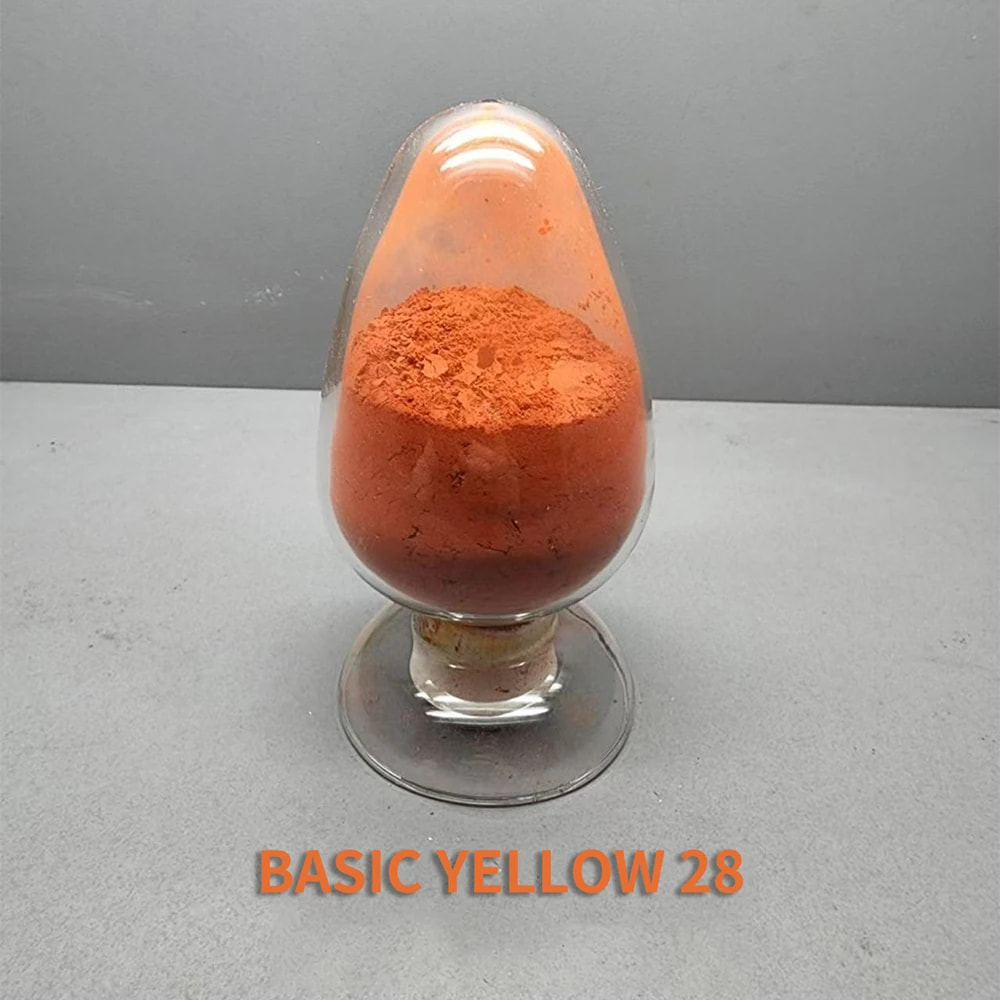
The application of basic yellow 28 in commercial flooring illustrates the intense, highly technical demands placed on modern architectural textiles. Within the broader interior design and facility management ecosystem, flooring materials—specifically commercial broadloom carpets, hospitality area rugs, and industrial-grade entrance mats—are unequivocally the most heavily abused textiles in existence. Subjected to relentless, daily foot traffic, abrasive silica dirt, constant moisture tracking, and highly aggressive industrial cleaning protocols, these carpets must possess an extraordinary level of both physical and visual resilience. The secret to achieving a multi-decade lifecycle lies heavily in the specialized, molecular-level chemical processes utilized during yarn coloration.
The Brutal Lifecycle of Commercial Flooring Materials
A high-traffic floor mat or expansive commercial carpet that loses its vibrancy or begins to look prematurely "washed out" quickly becomes a massive aesthetic liability. It instantly diminishes the professional, authoritative appearance of a corporate space or the welcoming luxury of a high-end hotel lobby. The primary and most daunting challenge for flooring manufacturers is combating the severe dual threats of intense mechanical abrasion (from millions of footsteps) and highly aggressive chemical maintenance.
Standard, lower-tier coloring methods frequently suffer from a catastrophic phenomenon known as "ring dyeing." In this fundamentally flawed, cost-cutting process, the chemical coloring agent only manages to superficially coat the exterior sheath of the thick carpet fiber. Under the crushing, twisting weight of heavy foot traffic and the severe friction of rubber-soled shoes, this microscopic outer colored layer is rapidly abraded away. This mechanical wear quickly reveals the stark, uncolored core of the yarn, resulting in the faded, patchy, and exhausted appearance commonly seen in low-quality commercial flooring installations.
Leveraging Specialized Cationic Formulations
To effectively combat severe physical wear and tear, the commercial flooring industry frequently turns to specialized synthetic polymers. Acrylic and modified acrylic fibers are highly prized in this sector for their luxurious, wool-like texture, immense physical crush-resistance, and inherent immunity to mildew and biological degradation. However, permanently coloring these specific synthetic fibers presents a highly unique chemical challenge. Because the molecular structure of acrylic fibers carries a distinct negative (anionic) charge, they completely repel standard anionic coloring agents used for natural fibers like cotton or wool.
This strict requirement is exactly where the application of specific cationic structures becomes absolutely vital. Whether achieving warm safety tones or deep corporate navy hues utilizing highly stable molecules like basic blue 159, these positively charged, high-affinity chemical solutions are scientifically synthesized to penetrate deeply through the tough outer barrier of the acrylic fiber, migrating directly into the core. Once the textile reaches a specific temperature threshold, these molecules bond permanently with the negatively charged sites of the polymer chain. This deep-core ionic bonding ensures that even when the outer layer of the carpet fiber is physically worn away over time, the newly exposed fiber underneath is exactly the same color.
Navigating the Rigors of Industrial Carpet Maintenance
Maintenance is a critical factor in calculating the true lifecycle cost of any flooring product. Commercial carpets are routinely subjected to harsh alkaline detergents, rotary scrubbers, and heavy-duty enzymatic stain removers. If the underlying chemical bonds of the fabric's color are unstable, these cleaning agents will act as a solvent, stripping the color directly from the pile and leading to disastrous aesthetic failures.
High-quality chemical intermediates provide superior fastness properties—specifically extreme wash fastness and chemical resistance. This engineering ensures that the flooring can be aggressively sanitized daily without fear of color bleeding, migrating, or degrading. This drastically reduces the total cost of ownership for facility managers, as the flooring does not need to be replaced prematurely due to maintenance-induced fading.
Eco-Compliance and the Future of Flooring Supply Chains
The industrial manufacturing of large-scale commercial flooring textiles requires immense volumes of water, thermal energy, and raw materials. As global environmental regulations tighten, the efficiency of the chemical components used directly impacts both the factory's financial bottom line and its ecological footprint. Premium formulations boast exceptionally high uptake rates, ensuring that nearly all of the coloring agent is absorbed by the dense carpet fibers, leaving the wastewater remarkably clean.
When massive flooring manufacturers review raw materials for sale to supply their global operations, they mandate these high-efficiency metrics. By partnering closely with a high-quality provider that prioritizes eco-friendly, low-residue formulations, massive flooring factories can meet strict local and international environmental compliance standards effortlessly. Investing in superior, highly stable raw materials at the supply chain level is the definitive, scientifically proven way to ensure that architectural flooring products deliver decades of vibrant, uncompromising, and sustainable performance.