

ultimate luxury plush faux fur area rug Performance Analysis
Introduction
The ultimate luxury plush faux fur area rug represents a significant development in interior textile engineering, moving beyond simple aesthetic appeal to incorporate advanced fiber technology and construction methodologies. Positioned within the broader home furnishings industry, these rugs serve as a high-end alternative to traditional animal fur and natural fiber rugs. Core performance characteristics center around replicating the tactile sensation of genuine fur, achieving high pile density, ensuring colorfastness, and providing durability against common household wear and tear. This guide will detail the material science, manufacturing processes, performance characteristics, potential failure modes, and maintenance requirements for these rugs, providing a comprehensive technical overview for procurement professionals and quality control engineers.
Material Science & Manufacturing
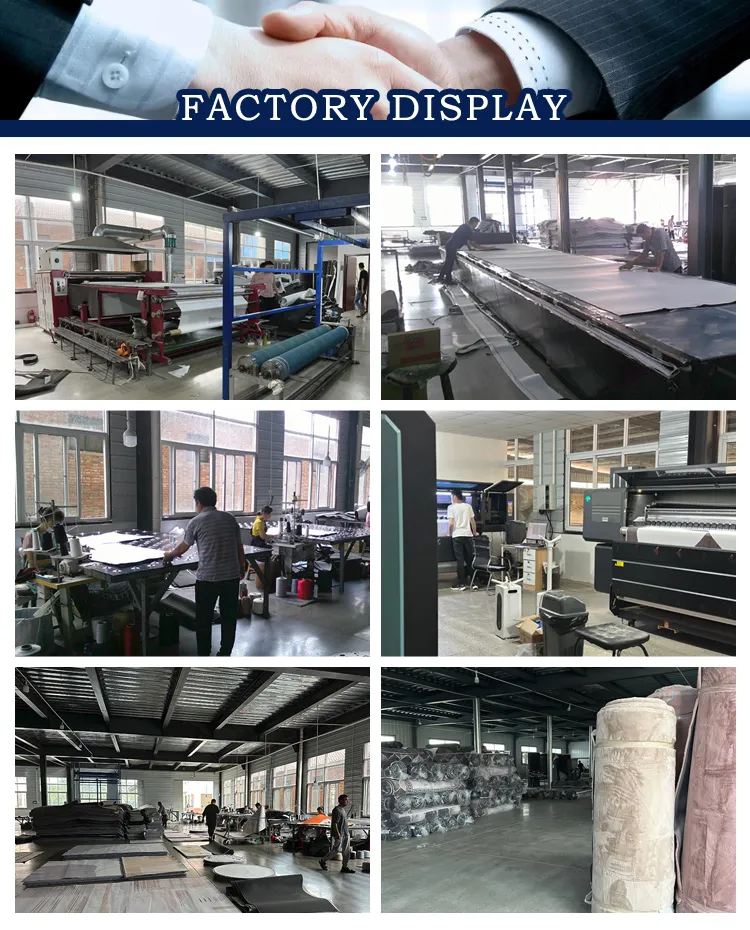
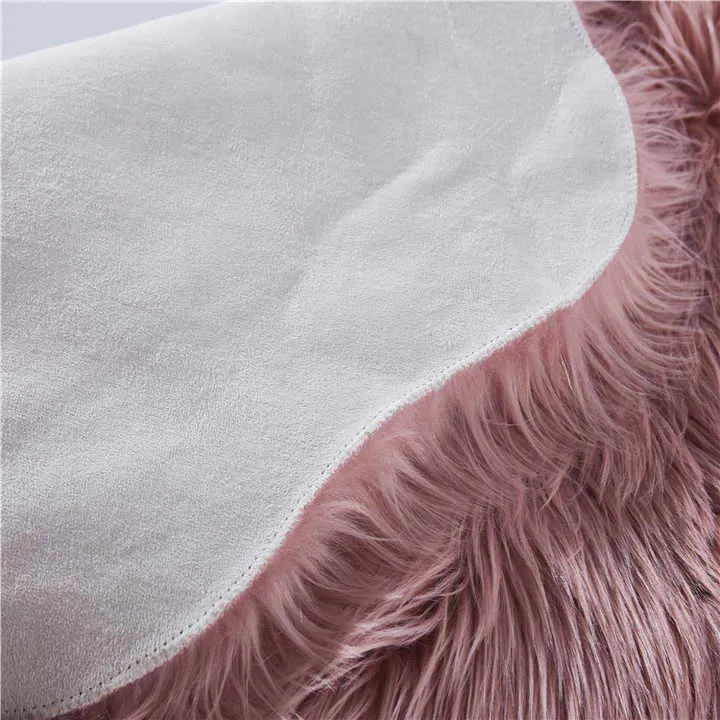
The foundation of a luxury faux fur rug lies in its synthetic fiber composition. Predominantly, these rugs utilize modified polyester fibers, specifically polypropylene and acrylic, chosen for their ability to mimic the look and feel of natural fur. Polypropylene offers inherent stain resistance and affordability, while acrylic provides a softer, more luxurious texture but can be less resilient. Fiber denier—the thickness of the individual fiber—is a critical parameter, with lower denier values (e.g., <10 µm) yielding a finer, more realistic texture. Manufacturing begins with the extrusion of these polymers, followed by texturing processes to create the characteristic crimp and wave of fur fibers. These textured fibers are then tufted or woven into a backing material, typically jute, polypropylene, or felt. Tufting involves inserting fibers into the backing, while weaving interlocks the fibers for increased structural integrity. Pile height, measured in millimeters or inches, is a key aesthetic parameter, ranging from 25mm (1 inch) to over 100mm (4 inches) for ultra-plush options. Critical process control parameters include dye bath temperature and concentration to ensure uniform color distribution and minimize dye bleeding, and tufting gauge and density to control pile height and fiber density. The backing material is often coated with a latex or polyurethane adhesive for enhanced dimensional stability and to prevent fiber shedding. Post-manufacturing, rigorous quality control checks assess fiber loss, colorfastness to light and washing, and overall pile uniformity.
Performance & Engineering
Performance evaluation of luxury faux fur rugs extends beyond aesthetics to encompass durability, safety, and environmental considerations. Force analysis focuses on tensile strength, both of the fibers themselves and of the rug backing. Fiber tensile strength is critical for resisting wear and tear from foot traffic and vacuuming, typically measured in MPa (megapascals). The rug backing must withstand significant tensile forces to prevent delamination. Environmental resistance is assessed through tests for colorfastness to light (exposure to simulated sunlight), washing (repeated washing cycles), and abrasion (using standardized abrasion testing machines). Compliance requirements include adherence to flammability standards (e.g., California Technical Bulletin 117 for residential use) and restrictions on hazardous substances (e.g., REACH regulations in Europe, which limit the use of certain chemicals in textile production). Functional implementation relates to the rug’s suitability for various indoor environments. Pile density impacts thermal insulation and sound absorption capabilities. Higher pile density provides greater insulation and reduces sound transmission. Static charge build-up is a potential concern with synthetic fibers, and antistatic treatments are often applied to mitigate this issue. Dimensional stability—the rug’s ability to maintain its shape and size—is crucial for long-term performance and is affected by temperature and humidity fluctuations. Analyzing the creep behavior of the backing material under sustained load is essential.
Technical Specifications
| Parameter | Unit | Typical Value (Low End) | Typical Value (High End) |
|---|---|---|---|
| Fiber Material | - | Polypropylene | Acrylic |
| Pile Height | mm | 25 | 120 |
| Pile Density | g/m² | 800 | 2500 |
| Fiber Denier | µm | 15 | 5 |
| Backing Material | - | Jute | Polyurethane Foam |
| Tensile Strength (Fiber) | MPa | 40 | 80 |
| Colorfastness to Light | Grey Scale Rating | 4 | 7 |
Failure Mode & Maintenance
Luxury faux fur rugs are susceptible to several failure modes. Fiber shedding is a common issue, particularly in the initial stages of use, resulting from loose fibers not adequately secured during manufacturing. This can be mitigated with regular vacuuming. Pile crushing occurs under sustained pressure from furniture or heavy foot traffic, permanently deforming the fibers and reducing pile height. This is more pronounced with lower-density piles. Delamination—separation of the pile from the backing—is a critical failure mode, often caused by adhesive failure or wear of the backing material. Oxidation of the synthetic fibers, induced by UV exposure, can lead to discoloration and brittleness. Abrasion, particularly from vacuum cleaners with brush attachments, can damage the fibers and contribute to shedding. Maintenance recommendations include regular vacuuming (using a suction-only attachment to minimize abrasion), spot cleaning with a mild detergent and water, and professional cleaning as needed. Avoid prolonged exposure to direct sunlight and high humidity. For delamination, professional re-gluing or patching may be required. Regular rotation of the rug can help distribute wear and tear evenly and prolong its lifespan. Proper underlayment can minimize pile crushing and provide additional cushioning.
Industry FAQ
Q: What is the primary difference between polypropylene and acrylic faux fur, and how does this impact durability?
A: Polypropylene generally exhibits higher abrasion resistance and is less prone to pilling compared to acrylic. However, acrylic offers a softer hand feel and better drape, mimicking natural fur more closely. While acrylic provides a more luxurious aesthetic, polypropylene rugs tend to withstand higher foot traffic and maintain their appearance longer.
Q: How does the backing material influence the overall performance and longevity of the rug?
A: The backing provides structural support and prevents delamination. Jute backings are eco-friendly and affordable but can be susceptible to moisture damage. Polypropylene backings offer better moisture resistance but may lack the dimensional stability of felt or polyurethane foam. Polyurethane foam provides superior cushioning and durability, but is typically more expensive.
Q: What are the key considerations for colorfastness testing, and what standards are typically used?
A: Colorfastness testing evaluates the rug’s resistance to fading and color bleeding upon exposure to light, washing, and rubbing. Typically, testing follows AATCC (American Association of Textile Chemists and Colorists) standards, specifically AATCC 16E for colorfastness to light and AATCC 107 for colorfastness to washing. Grey scale ratings are used to assess the degree of color change.
Q: How does pile height affect the rug's suitability for different environments, and are there any drawbacks to excessively high piles?
A: Higher pile heights (above 75mm) provide enhanced comfort and insulation but can be more difficult to clean and are more prone to pile crushing. They are best suited for low-traffic areas like bedrooms. Lower pile heights are more practical for high-traffic areas like living rooms and hallways, offering easier maintenance and better durability.
Q: What measures are taken to mitigate static electricity build-up in faux fur rugs?
A: Static electricity is a common concern with synthetic fibers. Manufacturers often apply antistatic treatments to the fibers during production. Consumers can also use fabric softener sheets or antistatic sprays to reduce static cling. Choosing a rug with a cotton or jute backing can also help dissipate static charge.
Conclusion
The ultimate luxury plush faux fur area rug represents a complex interplay of material science, manufacturing techniques, and performance engineering. Achieving a convincing imitation of natural fur requires careful selection of synthetic fibers, precise control of manufacturing parameters, and rigorous quality assurance testing. Understanding the potential failure modes – fiber shedding, pile crushing, and delamination – is crucial for selecting appropriate maintenance strategies and maximizing the lifespan of the rug.
Future developments in this area may focus on incorporating bio-based polymers to enhance sustainability, developing more durable and resilient fiber structures, and implementing advanced antistatic technologies. The ongoing demand for luxurious and ethically sourced home furnishings will continue to drive innovation in the faux fur rug industry, emphasizing both aesthetic appeal and long-term performance.