


washable faux sheepskin Performance Analysis
Introduction
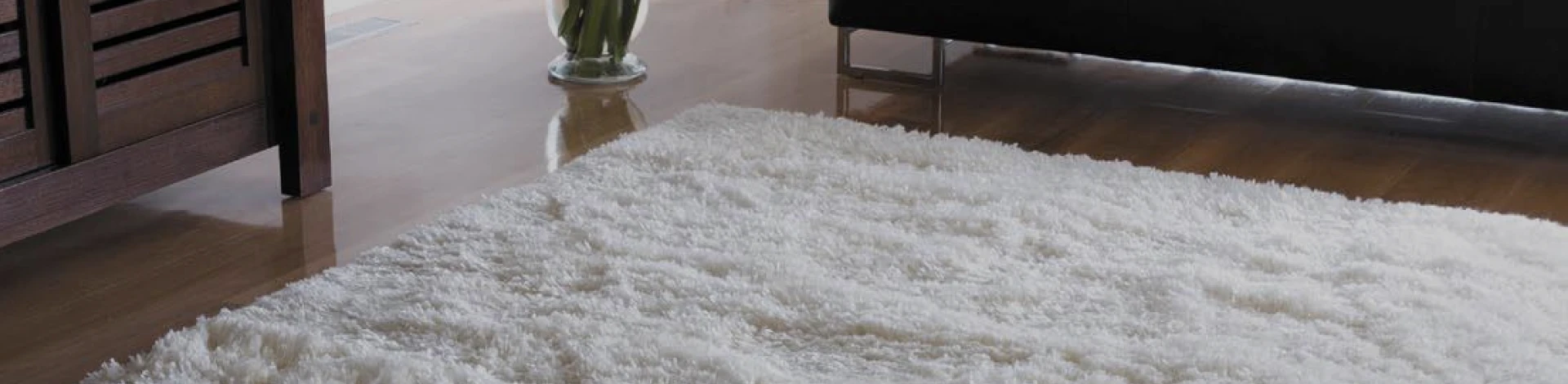
Washable faux sheepskin is a synthetic textile engineered to replicate the appearance and tactile properties of natural sheepskin, while offering enhanced durability, ease of cleaning, and cost-effectiveness. Positioned within the broader synthetic textile industry, it serves as a viable alternative to genuine sheepskin in diverse applications spanning apparel, home furnishings, automotive interiors, and medical equipment. Its core performance characteristics revolve around its ability to provide thermal insulation, cushioning, and a luxurious aesthetic, all while being machine washable. The industry currently faces a demand for materials that balance performance with sustainability and ethical sourcing, making washable faux sheepskin a significant and growing segment. A key challenge is achieving a realistic hand-feel and long-term durability comparable to natural sheepskin without compromising washability or creating microplastic shedding issues.
Material Science & Manufacturing
Washable faux sheepskin is typically constructed from a base textile, often polyester or polypropylene, onto which a pile layer is applied. The pile fibers are most commonly acrylic, modacrylic, or a blend of these, chosen for their wool-like texture and ability to accept dyes. Polyester offers strength and resilience, while polypropylene provides a lighter weight and improved moisture resistance. The manufacturing process begins with yarn extrusion, where polymers are melted and forced through spinnerets to create fibers. These fibers undergo crimping to mimic the natural curl of sheep wool, enhancing bulk and softness. The pile is then attached to the base fabric through various methods, including weaving, knitting, or tufting. Tufting is the most prevalent technique, involving inserting loops of yarn through the base fabric and securing them with a latex adhesive. A secondary backing is often added for dimensional stability and improved washability. Parameter control during manufacturing is critical: fiber denier (fineness) influences softness; pile height affects the appearance and insulation value; and adhesive application consistency impacts durability and wash performance. Post-treatment processes include brushing, shearing, and dyeing to achieve the desired aesthetic and tactile qualities. Achieving consistent dye uptake and preventing dye migration during washing are significant manufacturing challenges.

Performance & Engineering
The performance of washable faux sheepskin is dictated by its thermal insulation, abrasion resistance, tensile strength, and resistance to degradation from washing and UV exposure. Thermal insulation is determined by the pile height, fiber density, and air entrapment within the structure. Engineering analysis focuses on force distribution under compression and shear, particularly in applications such as seating or cushioning. The material’s resistance to pilling and fiber shedding is crucial for maintaining its aesthetic appeal and preventing contamination. Compliance requirements vary based on intended use. For automotive applications, flammability testing (FMVSS 302) is essential. For children’s products, adherence to phthalate and heavy metal restrictions (CPSIA) is mandatory. Washability is assessed according to ISO 6330, evaluating colorfastness, dimensional change, and pile integrity after repeated wash cycles. A critical engineering challenge is preventing the latex adhesive from degrading during washing, which can lead to pile loss and delamination. Furthermore, the potential for microplastic release during washing is a growing concern, necessitating the development of fiber locking technologies and filtration systems.
Technical Specifications
| Parameter | Unit | Typical Value (Range) | Test Method |
|---|---|---|---|
| Pile Height | mm | 20-30 | ASTM D1240 |
| Fiber Density | g/m² | 200-400 | GWST-01 |
| Tensile Strength (Warp) | N/50mm | 150-250 | ISO 527-1 |
| Tensile Strength (Weft) | N/50mm | 120-200 | ISO 527-1 |
| Dimensional Change (Wash) | % | ±3 | ISO 6330 |
| Colorfastness to Washing | Grade (1-5) | 4-5 | ISO 105 C06 |
Failure Mode & Maintenance
Washable faux sheepskin is susceptible to several failure modes. Pile loss is a common issue, resulting from adhesive degradation, fiber breakage, or abrasion. Delamination, the separation of the pile from the base fabric, occurs when the adhesive fails completely. Color fading and dye migration can occur during washing, especially with prolonged exposure to detergents and UV light. Fiber matting and compaction reduce the material’s loft and softness over time. Microplastic shedding, particularly from acrylic fibers, is a growing concern, contributing to environmental pollution. Maintenance involves regular vacuuming to remove dust and debris. Machine washing is permissible, but using a mild detergent and a gentle cycle is crucial. Avoid harsh chemicals, bleach, and high heat, as these can accelerate adhesive degradation and fiber damage. Drying should be done on low heat or air-dried to prevent shrinkage and distortion. For localized stains, spot cleaning with a mild soap solution is recommended. Preventative measures include avoiding prolonged exposure to direct sunlight and rotating the material to distribute wear evenly. Regular inspection for signs of pile loss or delamination allows for timely intervention and extends the product's lifespan.
Industry FAQ
Q: What differentiates high-quality washable faux sheepskin from lower-grade options?
A: High-quality materials utilize superior fiber blends (e.g., modacrylic over standard acrylic), employ stronger and more durable adhesives (often polyurethane-based instead of latex), and have a higher fiber density. These factors contribute to improved washability, reduced shedding, and enhanced longevity. Lower-grade options typically use cheaper materials and manufacturing processes, resulting in significant pile loss and degradation after only a few washes.
Q: How does the manufacturing process impact the potential for microplastic release?
A: The tufting process and subsequent brushing and shearing can generate microfibers. The type of fiber (acrylic is more prone to shedding than modacrylic) and the level of mechanical stress during manufacturing are key factors. Advanced fiber locking technologies and optimized manufacturing parameters can minimize shedding. Furthermore, incorporating biodegradable polymers into the fiber blend is being explored as a long-term solution.
Q: What are the limitations of current washability standards (ISO 6330) in accurately predicting long-term performance?
A: ISO 6330 typically assesses performance after a limited number of wash cycles (e.g., 5-10). This may not fully represent the cumulative effect of repeated washing and drying over the product’s lifespan. The standard also doesn't adequately address microplastic shedding or the long-term impact of detergent residues on adhesive integrity.
Q: Can the base fabric material influence the overall performance and washability?
A: Absolutely. Polyester provides excellent strength and dimensional stability, making it a preferred choice for many applications. Polypropylene offers lighter weight and good moisture resistance but may be less durable. The weave or knit structure of the base fabric also impacts abrasion resistance and resistance to deformation during washing.
Q: What are the emerging technologies aimed at improving the sustainability of washable faux sheepskin?
A: Research is focused on developing bio-based and biodegradable fiber alternatives, reducing reliance on petroleum-derived polymers. Closed-loop manufacturing processes that recapture and recycle fiber waste are also gaining traction. Furthermore, advancements in adhesive technology are aimed at creating more durable and environmentally friendly bonding agents.
Conclusion
Washable faux sheepskin represents a sophisticated textile solution balancing aesthetic appeal, functional performance, and cost-effectiveness. Its manufacturing complexity, reliant on precise polymer science and controlled processes, dictates its quality and longevity. Understanding the inherent failure modes – pile loss, delamination, and microplastic shedding – is crucial for informed material selection and effective maintenance strategies.
Future development hinges on advancements in sustainable materials, enhanced adhesive technologies, and rigorous testing methodologies that accurately predict long-term performance and minimize environmental impact. The continued demand for animal-free alternatives and the growing emphasis on circular economy principles will undoubtedly drive innovation within this dynamic industry segment.