

white faux carpet Performance Analysis
Introduction
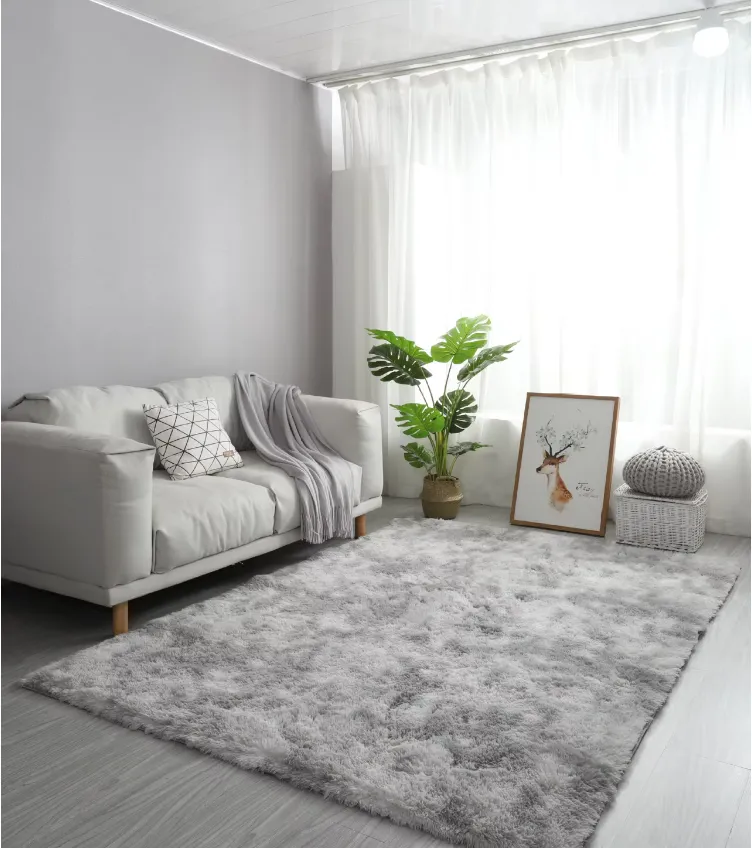
White faux carpet, encompassing materials designed to replicate the appearance of natural fibers such as wool or silk, represents a significant segment within the broader flooring industry. Positioned as a cost-effective and frequently more durable alternative to genuine materials, it finds application across a diverse range of commercial and residential settings. The primary composition typically involves synthetic polymers, most notably polypropylene, polyester, or nylon, tufted or woven onto a backing material – commonly jute, polypropylene, or action-backed felt. Core performance characteristics center on aesthetic appeal (colorfastness, texture), wear resistance (measured by abrasion tests), stain resistance (critical for white variants), and dimensional stability. The industry currently addresses demands for enhanced sustainability through recycled content and lower-VOC manufacturing processes. A key pain point for procurement managers is balancing upfront cost with long-term performance, particularly maintaining the aesthetic integrity of white carpets in high-traffic areas.
Material Science & Manufacturing
The foundational material of white faux carpet is almost exclusively a thermoplastic polymer. Polypropylene (PP) is prevalent due to its cost-effectiveness, inherent stain resistance, and relatively good resilience. Polyester (PET) offers superior color clarity and softness, improving dye uptake for consistent white tones, but typically exhibits lower abrasion resistance than PP. Nylon 6,6 provides the highest durability and recovery characteristics, but at a higher cost and with potential for static build-up. The backing materials significantly influence performance. Jute provides a natural fiber base, offering breathability but limited durability and susceptibility to moisture. Polypropylene backings are moisture-resistant and more durable than jute, though less breathable. Action-backed felt, a composite of synthetic fibers and adhesive, offers enhanced cushioning and dimensional stability. Manufacturing generally follows these stages: Polymerization – creating the fiber base material; Fiber Extrusion – forming continuous filaments; Tufting or Weaving – inserting the fibers into a primary backing; Application of Adhesive – securing the fibers; Secondary Backing Application – adding a stabilizing layer; Dyeing (where applicable); and Finishing (including stain protection treatments). Key parameter control involves precise control of extrusion temperature to ensure uniform fiber diameter and strength, consistent pile density during tufting/weaving, and accurate application of adhesive to prevent fiber shedding. The choice of dye and its fixation process are critical for achieving and maintaining a bright, consistent white color resistant to fading and discoloration.
Performance & Engineering
Performance is dictated by several interacting factors. Abrasion resistance, evaluated by methods like the Wyzenbeek test (ASTM D4157), quantifies the carpet's ability to withstand wear from foot traffic. A higher Wyzenbeek count indicates greater durability. Tensile strength (ASTM D2256) determines the force required to break the fiber, providing a measure of overall structural integrity. Colorfastness to light (ASTM D1654) assesses the resistance of the white dye to fading upon exposure to UV radiation. Stain resistance is crucial for white carpets and is typically achieved through the application of fluorochemical finishes, which create a barrier preventing liquids from penetrating the fibers. This performance is measured by standardized stain resistance tests using various common household spills. Dimensional stability (ASTM D1335) describes the carpet's resistance to changes in size or shape under varying humidity and temperature conditions. Static propensity (ASTM D3107) is a consideration, particularly with nylon carpets; antistatic treatments are often applied. From an engineering perspective, understanding the load distribution across the carpet pile and backing system is critical for predicting long-term performance. Finite element analysis (FEA) can be employed to model stress concentrations and optimize the carpet’s construction for enhanced durability and resilience.
Technical Specifications
| Parameter | Polypropylene (PP) | Polyester (PET) | Nylon 6,6 | Units |
|---|---|---|---|---|
| Abrasion Resistance (Wyzenbeek) | 20,000 - 40,000 | 30,000 - 50,000 | 50,000 - 100,000+ | cycles |
| Tensile Strength | 40 - 60 | 60 - 80 | 80 - 120 | MPa |
| Colorfastness to Light (Rating 1-5, 5=Excellent) | 3-4 | 4-5 | 4-5 | - |
| Stain Resistance (Water-Based Stains) | 80-90 | 70-80 | 60-70 | % Resistance |
| Pile Height | 8-12 | 8-15 | 10-15 | mm |
| Total Weight | 1200-1800 | 1400-2000 | 1600-2400 | g/m² |
Failure Mode & Maintenance
Common failure modes in white faux carpet include fiber degradation due to UV exposure (leading to yellowing or embrittlement), crushing of the pile fibers (resulting in a loss of resilience and a matted appearance), staining and discoloration (particularly challenging for white carpets), delamination of the backing (compromising structural integrity), and fiber shedding. Fatigue cracking in the fibers can occur under repeated stress, especially in high-traffic areas. Oxidation of the polymer chains over time can lead to brittleness and reduced performance. Preventative maintenance is crucial. Regular vacuuming (using a HEPA filter) removes abrasive particles that contribute to wear. Prompt attention to spills is essential to prevent staining; immediate blotting with a clean cloth is recommended, followed by appropriate cleaning solutions. Professional cleaning (hot water extraction) should be conducted periodically to remove embedded dirt and grime. Avoid harsh chemicals and abrasive cleaning agents, as these can damage the fibers and diminish stain resistance. For localized damage (e.g., small tears), professional repair services are advisable. Regular rotation of rugs can help distribute wear more evenly. The lifespan of white faux carpet is significantly influenced by the quality of the materials, the manufacturing process, and the diligence of the maintenance regimen.
Industry FAQ
Q: What is the best fiber type for a high-traffic white carpet in a commercial setting?
A: While more expensive upfront, Nylon 6,6 generally offers the best combination of abrasion resistance, resilience, and stain resistance for high-traffic commercial applications. However, it’s crucial to specify an antistatic treatment to mitigate static build-up. Regular, professional maintenance is paramount to preserving its appearance.
Q: How can I minimize the appearance of footprints and vacuum marks on a white faux carpet?
A: Pile density and fiber type play a significant role. Higher pile density carpets tend to mask footprints more effectively. Using a carpet rake can help lift the pile and redistribute the fibers. Vacuuming with a beater bar can sometimes exacerbate the issue; consider using a suction-only attachment. Regularly rotating rugs is also beneficial.
Q: What are the key considerations when selecting a backing material for a white faux carpet?
A: Moisture resistance is critical, especially in environments prone to spills or humidity. Polypropylene backings offer good moisture resistance and durability. For enhanced cushioning and stability, action-backed felt is a viable option, but ensure it is appropriately treated to prevent moisture absorption.
Q: What type of stain protector is most effective on white faux carpet, and how often should it be reapplied?
A: Fluorochemical-based stain protectors are generally the most effective. Look for products specifically designed for synthetic carpets. Reapplication frequency depends on foot traffic and spill frequency, but typically every 6-12 months is recommended, following the manufacturer’s instructions.
Q: What is the impact of VOC emissions from faux carpets, and how can I ensure a low-VOC product?
A: VOC (Volatile Organic Compound) emissions can contribute to indoor air pollution. Look for carpets certified by organizations like Green Label Plus (GLP) by the Carpet and Rug Institute (CRI), which indicates low VOC emissions. Also, inquire about the manufacturing processes used and prioritize carpets made with low-VOC adhesives and backings.
Conclusion
White faux carpet represents a compelling option for those seeking an aesthetically pleasing and cost-effective flooring solution. However, realizing its full potential requires a thorough understanding of the underlying material science, manufacturing processes, and performance characteristics. The selection of appropriate fiber type, backing material, and stain protection treatment is critical, particularly given the inherent challenges of maintaining a bright white appearance. Careful consideration of anticipated traffic levels and environmental conditions is paramount to ensure longevity and minimize premature failure.
Looking forward, advancements in polymer technology and sustainable manufacturing practices will likely drive further improvements in the durability, stain resistance, and environmental profile of white faux carpets. The development of bio-based polymers and recycled content options will address growing demands for eco-friendly flooring solutions. Continued research into advanced stain protection technologies will also be crucial for enhancing the long-term performance of white carpets in demanding applications.