

white faux fur carpet Technical Assessment
Introduction
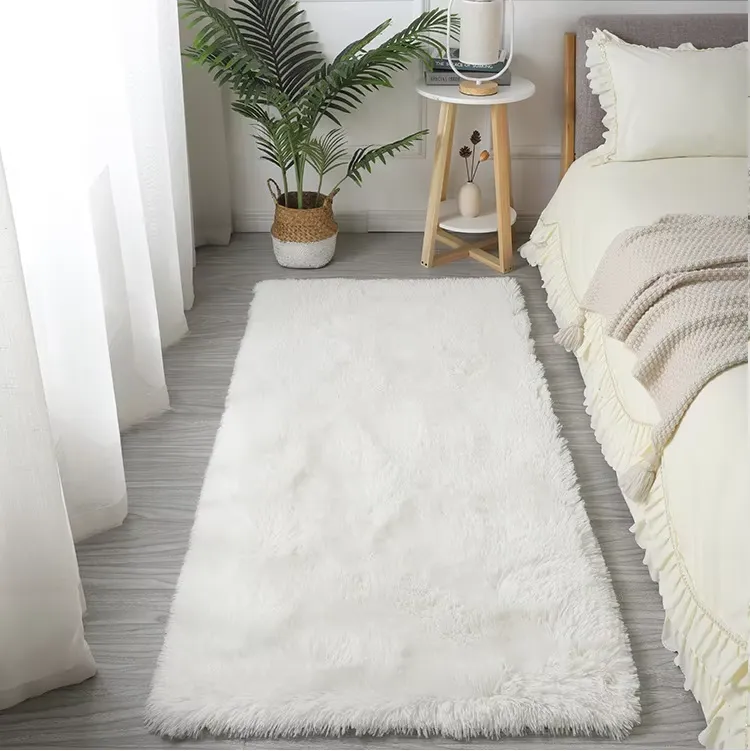
White faux fur carpet represents a synthetic floor covering designed to mimic the aesthetic and tactile qualities of genuine animal fur. Composed predominantly of synthetic polymers, it serves as an alternative to natural fur, addressing ethical concerns and offering enhanced durability and cost-effectiveness. Within the broader textile industry, faux fur carpets occupy a niche segment focused on luxury, comfort, and decorative applications, primarily in residential and hospitality environments. Core performance characteristics center around pile height, density, fiber composition, and backing material, directly impacting the product’s resilience, aesthetic appeal, and cleaning requirements. The industry faces challenges related to achieving realistic textures, minimizing shedding, and ensuring flame retardancy while maintaining a soft hand feel. This technical guide provides an in-depth analysis of white faux fur carpet, covering material science, manufacturing processes, performance parameters, failure modes, and relevant industry standards.
Material Science & Manufacturing
The foundational material of white faux fur carpet is typically acrylic, polyester, or polypropylene. Acrylic fibers (polyacrylonitrile) offer excellent bulk, a soft hand, and good dyeability, resulting in a visually convincing fur-like appearance. However, acrylic exhibits relatively low abrasion resistance and a tendency to pill. Polyester (polyethylene terephthalate) provides superior durability, resilience, and stain resistance but can lack the luxurious softness of acrylic. Polypropylene, the most cost-effective option, offers good resistance to moisture and mildew but suffers from lower heat resistance and potential for crushing. The selection of the polymer dictates the overall performance profile and cost point.
Manufacturing begins with polymer extrusion, creating continuous filaments. These filaments are then processed through a specialized knitting or weaving process. Knitting creates a looped pile structure, offering greater elasticity, while weaving results in a cut pile with defined tufts. Crucially, the density of the pile—measured in ounces per square yard or grams per square meter—significantly impacts the carpet’s perceived quality and durability. After pile formation, the carpet undergoes a brushing and detangling process to achieve the characteristic fluffy texture. This step requires precise control to avoid fiber breakage and ensure uniform appearance. A backing material, commonly jute, polypropylene, or latex, is applied to stabilize the pile and provide structural integrity. Latex backings offer enhanced cushioning and sound absorption, while polypropylene backings provide superior moisture resistance. Dyeing is typically conducted at the fiber stage using specialized dyes formulated for synthetic polymers to ensure colorfastness and uniformity. Parameter control during the extrusion and dyeing phases are vital to achieving a consistent white coloration without variations or discoloration.
Performance & Engineering
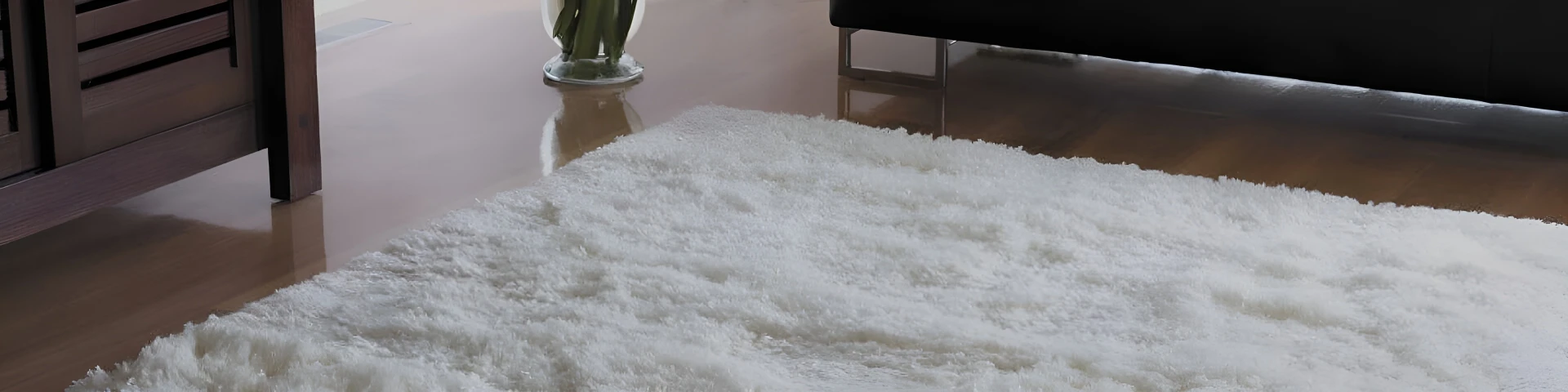
The performance of white faux fur carpet is critically dependent on its ability to withstand compression, abrasion, and environmental factors. Compression resistance, measured by pile recovery (the ability of the pile to return to its original height after being compressed), is paramount for maintaining the carpet’s aesthetic appeal and preventing matting. Abrasion resistance, determined through testing methods like the Taber abrasion test, assesses the carpet's ability to withstand wear and tear from foot traffic. Higher abrasion resistance translates to a longer lifespan.
Environmental resistance encompasses factors such as UV stability, moisture resistance, and flame retardancy. Prolonged exposure to ultraviolet radiation can cause color fading and polymer degradation; therefore, UV stabilizers are often incorporated into the fiber formulation. Moisture resistance is essential to prevent mold and mildew growth, particularly in high-humidity environments. Polypropylene generally exhibits the best moisture resistance. Flame retardancy is a critical safety consideration, mandated by various building codes. Faux fur carpets are typically treated with flame-retardant chemicals to meet specific fire safety standards. Force analysis reveals that the weight-bearing capacity of the carpet relies on the backing material, while the cushioning effect is determined by the pile height and density. Engineering considerations involve optimizing these parameters to achieve the desired balance between comfort, durability, and safety. Compliance with industry regulations, such as those pertaining to volatile organic compound (VOC) emissions, is also crucial.
Technical Specifications
| Parameter | Acrylic | Polyester | Polypropylene | Typical Range |
|---|---|---|---|---|
| Pile Height (mm) | 30-50 | 25-40 | 20-35 | 20-60 |
| Pile Density (oz/yd²) | 800-1200 | 900-1400 | 600-1000 | 600-1600 |
| Abrasion Resistance (Taber Cycles) | 2000-4000 | 5000-8000 | 3000-5000 | 2000-10000 |
| Water Absorption (%) | 3-5 | 1-2 | 0.5-1 | 0.5-5 |
| Flame Retardancy (ASTM D2856) | Pass (with treatment) | Pass (with treatment) | Pass (inherently) | Pass (required) |
| UV Resistance (fade-o-meter rating) | 4-6 | 6-8 | 5-7 | 4-8 |
Failure Mode & Maintenance
White faux fur carpet is susceptible to several failure modes. Shedding, particularly in acrylic fibers, is a common issue caused by fiber breakage during manufacturing or use. Matting, resulting from pile compression, reduces the carpet’s aesthetic appeal and comfort. Pilling, the formation of small balls of fiber on the surface, occurs due to abrasion and fiber entanglement, prevalent with acrylic. Color fading, caused by UV exposure, leads to discoloration and a reduction in the carpet’s visual vibrancy. Staining, particularly from oil-based substances, can be difficult to remove and may permanently damage the fibers. Delamination of the backing material can occur due to moisture exposure or mechanical stress, compromising the carpet’s structural integrity.
Preventative maintenance is crucial for extending the carpet’s lifespan. Regular vacuuming, using a suction-only cleaner (avoiding beater bars), removes dust and debris, preventing fiber entanglement and matting. Spot cleaning, employing a mild detergent and water solution, addresses spills promptly. Professional cleaning, using hot water extraction, provides a more thorough cleaning and revitalizes the pile. Avoidance of direct sunlight minimizes UV degradation. For stains, specific cleaning agents formulated for synthetic fibers are recommended. Regular pile fluffing, using a carpet rake, helps restore the pile’s height and appearance. Repair options for minor damage include fiber re-tufting, while significant delamination often necessitates carpet replacement.
Industry FAQ
Q: What is the primary difference between acrylic and polyester faux fur carpet in terms of longevity?
A: Polyester generally offers superior longevity compared to acrylic. While acrylic provides a softer hand feel, polyester exhibits higher abrasion resistance and greater resilience, meaning it can withstand foot traffic and maintain its structural integrity for a longer period. Acrylic fibers are more prone to shedding and pilling, diminishing their lifespan over time.
Q: How does the backing material affect the carpet’s performance, specifically in damp environments?
A: The backing material is critical in damp environments. Polypropylene backings are significantly more moisture-resistant than jute or latex backings. Jute is susceptible to mold and mildew growth when exposed to moisture, leading to deterioration and odor. Latex can also degrade with prolonged moisture exposure. Therefore, polypropylene is the preferred choice for areas prone to humidity or spills.
Q: What flammability standards must white faux fur carpet meet for use in commercial spaces?
A: Commercial installations typically require faux fur carpet to meet stringent flammability standards, most commonly ASTM D2856 or similar regional equivalents. These standards classify the carpet’s flame spread and smoke development characteristics. Pass/Fail criteria are defined based on occupancy type and building codes. Flame-retardant treatments are often necessary to achieve compliance.
Q: How can I minimize the shedding associated with acrylic faux fur carpets?
A: Shedding is inherent to acrylic fibers, but it can be minimized through careful maintenance. Regular, gentle vacuuming (suction only) removes loose fibers before they can accumulate. Avoid vigorous scrubbing or brushing, which can exacerbate shedding. A specialized carpet rake can also help remove loose fibers. Initial shedding typically decreases after the first few weeks of use.
Q: What cleaning solutions are recommended for removing oil-based stains from white faux fur carpet?
A: Oil-based stains are particularly challenging to remove from faux fur. A solvent-based cleaner specifically formulated for synthetic fibers is recommended. Apply the cleaner sparingly to a clean cloth and blot the stain gently, working from the outside inward. Avoid rubbing, which can spread the stain. Follow the manufacturer's instructions for the cleaning solution and test in an inconspicuous area first.
Conclusion
White faux fur carpet offers a luxurious and cost-effective alternative to genuine fur, providing a comfortable and aesthetically pleasing floor covering. However, its performance is dictated by the careful selection of materials—acrylic, polyester, or polypropylene—and a tightly controlled manufacturing process. Understanding the nuances of pile construction, backing materials, and environmental resistance is essential for selecting a product that meets specific application requirements.
Future advancements in fiber technology and manufacturing techniques will likely focus on enhancing durability, reducing shedding, and improving stain resistance. The development of more sustainable synthetic polymers and environmentally friendly flame-retardant treatments will also be key considerations. Ultimately, informed selection, proper installation, and diligent maintenance are critical for maximizing the lifespan and aesthetic appeal of white faux fur carpet.