


white faux fur sheepskin rug Performance Analysis
Introduction
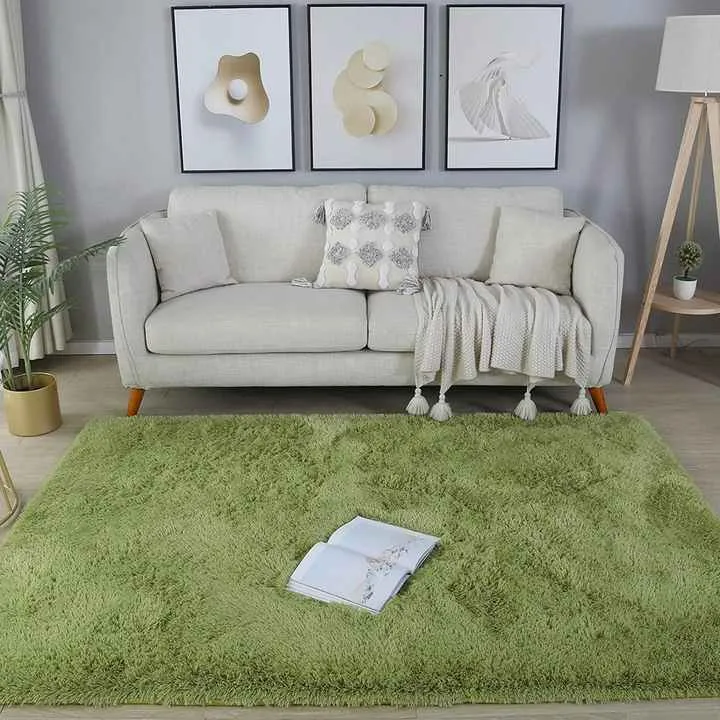
White faux fur sheepskin rugs represent a synthetic alternative to natural sheepskin, primarily constructed for comfort, aesthetic appeal, and thermal insulation. Positioned within the broader home textiles industry, these rugs serve as floor coverings, chair accents, and decorative elements. Their technical performance revolves around replicating the tactile softness and visual characteristics of genuine sheepskin while addressing concerns regarding animal welfare, cost, and maintenance. Core performance characteristics include pile height, density, fiber composition, and resistance to abrasion and shedding. The increasing demand for sustainable and ethically sourced products has driven significant growth in the faux fur market, making it a crucial component within the interior design sector. The selection process centers on evaluating durability, aesthetic fidelity to natural sheepskin, and compliance with flammability standards.
Material Science & Manufacturing
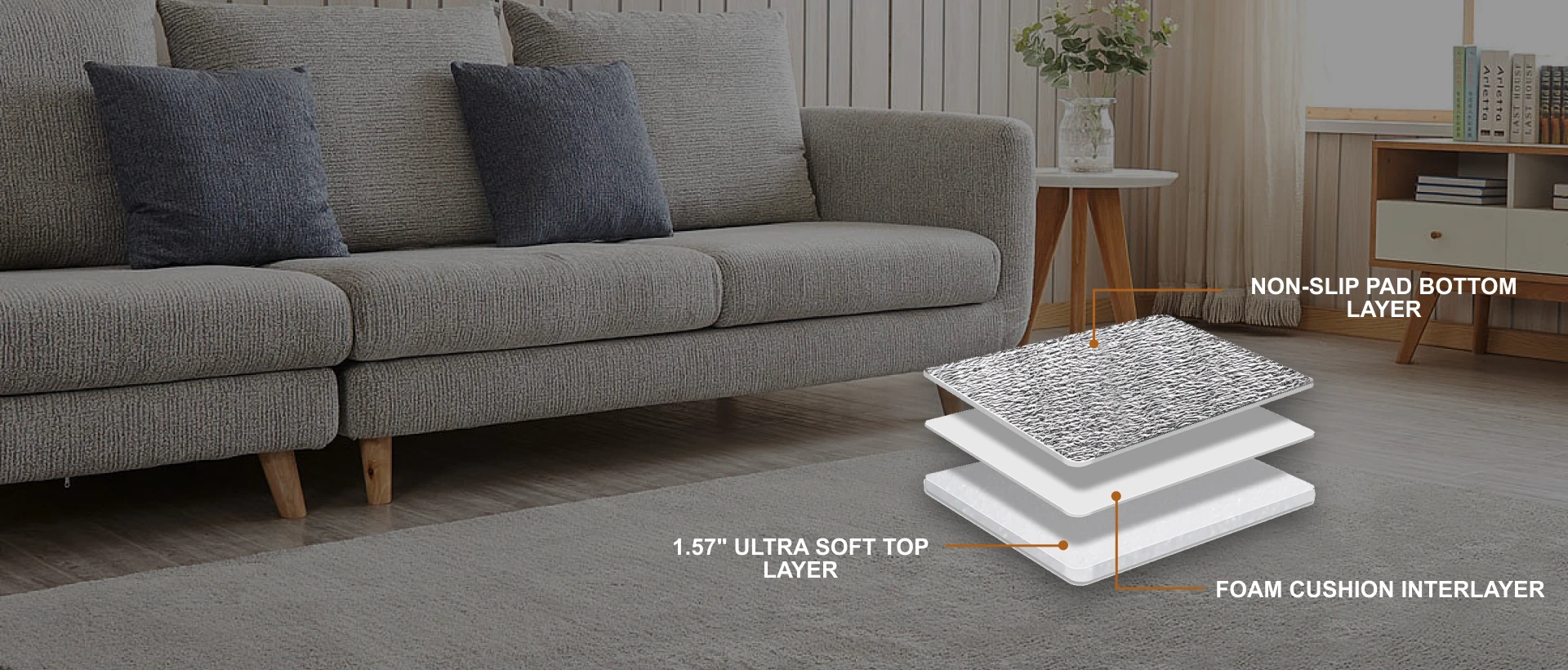
The primary material in white faux fur sheepskin rugs is typically a polyester microfiber, often utilizing Polyethylene Terephthalate (PET) or Polypropylene (PP) due to their cost-effectiveness, durability, and ability to be processed into fine fibers. These fibers possess a denier (fiber thickness) ranging from 0.5 to 3.0, influencing the softness and drape of the finished product. The manufacturing process begins with the extrusion of the polymer into filaments. These filaments are then cut to specific lengths, crimped to create bulk and texture, and dyed to achieve the desired white coloration. Dyeing utilizes aqueous solutions of disperse dyes, requiring stringent quality control to ensure colorfastness and uniformity. The crimped fibers are subsequently attached to a backing material, typically a jute or polypropylene woven fabric, using adhesive bonding or a tufting process. Tufting involves inserting the fibers into the backing using needles, creating a dense pile. Pile height is a critical parameter, generally ranging from 20mm to 60mm, impacting the rug’s comfort and visual appearance. Density, measured in grams per square meter (gsm), dictates the rug’s perceived quality and resistance to flattening. Parameter control during manufacturing centers on maintaining consistent fiber length, dye concentration, adhesive application, and tufting density. Quality assurance includes testing for fiber shedding, colorfastness to light and washing, and pile resilience.
Performance & Engineering
The performance of white faux fur sheepskin rugs is primarily dictated by their ability to provide thermal insulation and a comfortable tactile experience. Thermal resistance (R-value) is significantly lower than natural sheepskin, typically ranging from 0.8 to 1.2, but still offers a noticeable improvement over bare flooring. Force analysis reveals that the rug’s ability to withstand compression and recover its shape is directly related to pile density and fiber crimp. Higher density and greater crimp contribute to improved resilience and reduced compression set. Environmental resistance considerations include resistance to UV degradation, which can cause color fading and fiber brittleness, and resistance to moisture absorption. While polyester and polypropylene are relatively hydrophobic, prolonged exposure to moisture can lead to mildew growth within the backing material. Compliance requirements vary by region but generally include flammability testing to meet standards such as California Proposition 65 and similar regulations pertaining to VOC emissions. Engineering considerations involve the selection of appropriate backing materials to prevent delamination and ensure dimensional stability. The use of non-slip latex coatings on the backing further enhances safety by preventing the rug from sliding on smooth surfaces. Abrasion resistance is assessed using methods like the Wyzenbeek test, evaluating the rug's ability to withstand repeated rubbing without significant fiber loss.
Technical Specifications
| Parameter | Unit | Typical Value | Test Method |
|---|---|---|---|
| Pile Height | mm | 40 | ASTM D3654 |
| Pile Density | gsm | 600 | ISO 307 |
| Fiber Composition | % | 100 Polyester | FTIR Spectroscopy |
| Backing Material | - | Polypropylene Woven | Visual Inspection |
| Flammability (Pass/Fail) | - | Pass (meets California Proposition 65) | ASTM E84 |
| Colorfastness to Light | Grade (1-5) | 4 | ISO 105-B02 |
Failure Mode & Maintenance
Common failure modes in white faux fur sheepskin rugs include fiber shedding, matting, delamination, and staining. Fiber shedding is an inherent characteristic of faux fur, but excessive shedding indicates lower fiber quality or insufficient bonding. Matting occurs due to prolonged compression and traffic, reducing the pile height and overall appearance. Delamination refers to the separation of the pile fibers from the backing material, often caused by adhesive failure or wear and tear. Staining, particularly from spills, is a significant concern, as the polyester fibers can readily absorb oil-based substances. Failure analysis reveals that UV exposure accelerates fiber degradation, leading to brittleness and increased shedding. Oxidation of the polymer chains over time also contributes to reduced flexibility and color fading. Maintenance protocols include regular vacuuming to remove loose debris and prevent matting. Spot cleaning with mild detergent and water is recommended for spills, avoiding harsh chemicals that can damage the fibers. Professional cleaning using dry cleaning methods is advisable for thorough cleaning. To mitigate delamination, avoid excessive stretching or pulling of the rug. Storage in a cool, dry place away from direct sunlight is essential to prevent UV degradation and discoloration. Periodic rotation of the rug can distribute wear and tear more evenly, extending its lifespan.
Industry FAQ
Q: What is the primary difference in thermal performance between white faux fur sheepskin rugs and genuine sheepskin?
A: Genuine sheepskin possesses a significantly higher R-value (thermal resistance) due to the natural crimp and air pockets within the wool fibers. Typically, sheepskin R-values range from 2.0 to 3.0, whereas faux fur generally falls between 0.8 and 1.2. While faux fur offers some insulation, it doesn’t match the warmth provided by natural sheepskin.
Q: How does the manufacturing process impact the durability and longevity of a faux fur sheepskin rug?
A: The quality of the polyester fibers, the adhesive used for bonding, and the tufting density are critical factors. Lower-quality fibers are more prone to shedding and degradation. Insufficient adhesive application leads to delamination. Lower tufting density results in a less resilient pile that mats more easily. Proper parameter control throughout the manufacturing process is essential for maximizing durability.
Q: What are the key considerations regarding flammability compliance for these rugs?
A: Compliance typically involves meeting standards such as California Proposition 65, which regulates VOC emissions, and passing flammability tests like ASTM E84. These tests assess the rug's resistance to ignition and the rate at which flames spread. Manufacturers must provide documentation demonstrating compliance with applicable regulations.
Q: How can I effectively remove stains from a white faux fur sheepskin rug without damaging the fibers?
A: Prompt action is crucial. For liquid spills, blot (do not rub) with a clean cloth. Use a mild detergent solution (dish soap diluted in water) for more stubborn stains, applying it gently with a soft brush. Avoid harsh chemicals like bleach or solvent-based cleaners. Rinse thoroughly with clean water and allow to air dry completely. For oil-based stains, a specialized fabric stain remover may be necessary.
Q: What is the expected lifespan of a typical white faux fur sheepskin rug with regular use and proper maintenance?
A: With regular vacuuming, spot cleaning, and careful handling, a high-quality faux fur sheepskin rug can last between 3 to 5 years. However, factors such as traffic volume, exposure to sunlight, and the quality of materials used will influence its lifespan. Delamination and significant fiber shedding are indicators that the rug needs replacing.
Conclusion
White faux fur sheepskin rugs provide a cost-effective and ethically sourced alternative to natural sheepskin, offering comparable aesthetic and tactile benefits. Their performance is fundamentally linked to the properties of the polyester fibers used, the manufacturing processes employed, and adherence to relevant safety and environmental standards. Understanding the material science, potential failure modes, and proper maintenance protocols is critical for maximizing the lifespan and ensuring the continued enjoyment of these products.
Continued innovation in polymer technology and manufacturing techniques will likely lead to improved durability, enhanced thermal performance, and increased sustainability in future generations of faux fur sheepskin rugs. Further research into bio-based polyester alternatives could further reduce the environmental impact of these products, aligning them with growing consumer demand for eco-friendly options. Precise control of fiber characteristics and bonding techniques will remain paramount in achieving superior quality and longevity.