


white fluffy rug for photography Performance Analysis
Introduction
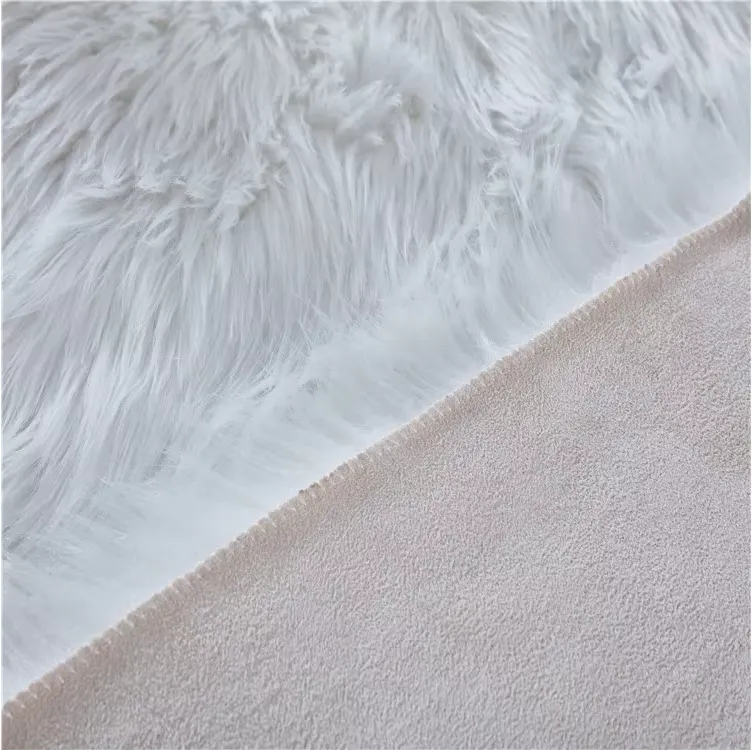
White fluffy rugs specifically designed for photographic applications represent a specialized niche within the broader textile industry. They are not merely aesthetic props, but engineered surfaces impacting light diffusion, color accuracy, and overall image quality. Their technical positioning lies at the intersection of material science, optical engineering, and studio equipment. The core performance characteristics center around reflectance, texture consistency, and durability under repeated use and lighting conditions. A key industry pain point is inconsistent surface texture impacting image editing workflows and the rapid degradation of pile due to studio use and cleaning processes. These rugs are commonly constructed from synthetic fibers, optimized for predictable light behavior and resistance to staining. Understanding their construction and properties is critical for professional photographers and visual content creators.
Material Science & Manufacturing
The predominant material used in the construction of white fluffy rugs for photography is polypropylene (PP), specifically solution-dyed polypropylene. This choice is driven by its inherent characteristics: high bulk, excellent stain resistance, consistent colorfastness, and relatively low cost. The fibers are typically extruded through spinnerets, creating filaments ranging from 50-300 denier. These filaments are then crimped – a critical step – to introduce bulk and create the desired fluffy texture. The degree of crimp is precisely controlled through the cooling rate during extrusion and subsequent heat setting. The backing material commonly comprises a woven polypropylene fabric with a non-slip latex coating. Manufacturing involves tufting the polypropylene fibers into the backing, followed by a shearing process to achieve a uniform pile height. Pile height is a crucial parameter, typically ranging from 25mm to 75mm, and directly affects light diffusion. Quality control focuses on fiber density (weight per unit area, measured in g/m²), pile height consistency (±2mm tolerance), and color uniformity (measured using a spectrophotometer, ΔEab < 1). Chemical compatibility is also important; the dyes used must be non-reactive with common studio cleaning agents.
Performance & Engineering
The performance of these rugs is fundamentally linked to their ability to diffuse light evenly. This is quantified by measuring Total Light Reflectance (TLR) and hemispherical reflectance using a spectrophotometer. Ideally, a high TLR (above 80%) and a relatively flat reflectance curve across the visible spectrum are desired for minimizing color casts. The pile structure affects the Bidirectional Reflectance Distribution Function (BRDF), impacting specular reflections and shadow detail. Engineering considerations include the rug's resistance to compression set – the permanent deformation of the pile under sustained weight (e.g., equipment, models). Compression set is evaluated through indentation tests, measuring the recovery height after a specified dwell time. Environmental resistance encompasses UV stability (to prevent color fading), and resistance to common chemicals used in studio environments (e.g., hairspray, makeup remover). Compliance requirements often relate to flammability standards (e.g., California Technical Bulletin 117) and VOC emissions (Volatile Organic Compounds) to ensure a safe studio environment. The structural integrity of the latex backing is vital, preventing delamination and ensuring long-term performance. Finite element analysis (FEA) can be used to model stress distribution under load and optimize backing material thickness.
Technical Specifications
| Parameter | Unit | Typical Value | Test Method |
|---|---|---|---|
| Pile Material | - | Solution-Dyed Polypropylene | Visual Inspection & FTIR Spectroscopy |
| Pile Height | mm | 50 ± 2 | Ruler/Digital Caliper |
| Pile Weight | g/m² | 800 – 1200 | ASTM D3884 |
| Total Light Reflectance (TLR) | % | ≥ 85 | ASTM E97 |
| Compression Set (24hr @ 50% compression) | % | ≤ 10 | ASTM D3654 |
| UV Resistance (Colorfastness to Light) | Grey Scale Rating | ≥ 6 | ISO 105-B02 |
Failure Mode & Maintenance
Common failure modes include pile matting and crushing due to repeated foot traffic and equipment placement. This is accelerated by improper cleaning and the build-up of debris within the fibers. Fiber degradation, primarily through UV exposure and oxidation, leads to color fading and loss of pile integrity. Delamination of the latex backing from the polypropylene fabric is another prevalent issue, often stemming from moisture exposure or mechanical stress. Static electricity build-up attracts dust and contaminants, exacerbating matting and discoloration. Failure analysis often reveals a correlation between high traffic areas and localized wear. Maintenance involves regular vacuuming with a brush attachment to remove surface debris. Spot cleaning with a mild detergent solution is recommended for stains, avoiding harsh chemicals that can damage the fibers. Professional cleaning using low-moisture extraction methods is advisable for deep cleaning. Preventative measures include rotating the rug periodically to distribute wear and using protective covers when not in use. Proper storage in a dry, dark environment minimizes UV degradation and moisture damage. Avoid aggressive brushing or scrubbing, which can damage the pile.
Industry FAQ
Q: What differentiates a photography-specific fluffy rug from a standard area rug?
A: Photography rugs are engineered for consistent light diffusion and minimal specular reflection. Standard area rugs often contain variable fiber blends and textures, creating uneven lighting and potentially introducing unwanted color casts. Photography rugs utilize solution-dyed fibers for consistent color, and undergo stringent quality control for pile height and density uniformity.
Q: How does pile height affect the final image?
A: Longer pile heights generally provide greater light diffusion, resulting in softer shadows and reduced glare. However, excessively long piles can introduce unwanted texture artifacts in the image. Shorter piles offer more definition and are suitable for product photography where detail is paramount. Selecting the appropriate pile height depends on the desired aesthetic and the type of photography being conducted.
Q: What is the impact of the backing material on the rug’s performance?
A: The backing material provides structural support and prevents stretching or warping. A high-quality latex backing with a robust weave prevents delamination and ensures dimensional stability. The backing's non-slip properties are also crucial for safety in a studio environment. Lower-quality backings can degrade quickly, leading to buckling and unevenness.
Q: How can I prevent the rug from matting and losing its fluffiness?
A: Regular vacuuming with a brush attachment is essential. Avoid walking on the rug with shoes, and use protective covers when not in use. Promptly address spills with a mild detergent solution. Professional low-moisture extraction cleaning can restore fluffiness. Consider rotating the rug to distribute wear evenly.
Q: Are these rugs suitable for outdoor photography?
A: Generally, no. While polypropylene is relatively weather-resistant, prolonged exposure to direct sunlight and moisture can cause color fading and fiber degradation. Furthermore, outdoor conditions introduce dirt and debris that are difficult to remove from the deep pile, compromising its reflective properties. These rugs are best suited for controlled indoor studio environments.
Conclusion
White fluffy rugs for photography represent a crucial component in achieving high-quality visual content. Their performance isn't merely aesthetic; it is deeply rooted in material science and optical engineering principles. Understanding parameters like pile height, fiber composition, total light reflectance, and compression set is vital for informed procurement and long-term performance. Selecting the right rug involves balancing light diffusion requirements, desired aesthetic, and the practical demands of a studio environment.
The future of these specialized rugs will likely see advancements in fiber technology, focusing on enhanced durability, improved stain resistance, and even antimicrobial properties. Integration of smart materials for dynamic light control is also a potential avenue for innovation. Maintaining a consistent quality control process and adhering to relevant safety standards will remain paramount, ensuring these rugs continue to serve as reliable tools for professional photographers and visual content creators.