

white fluffy rug round Performance Analysis
Introduction
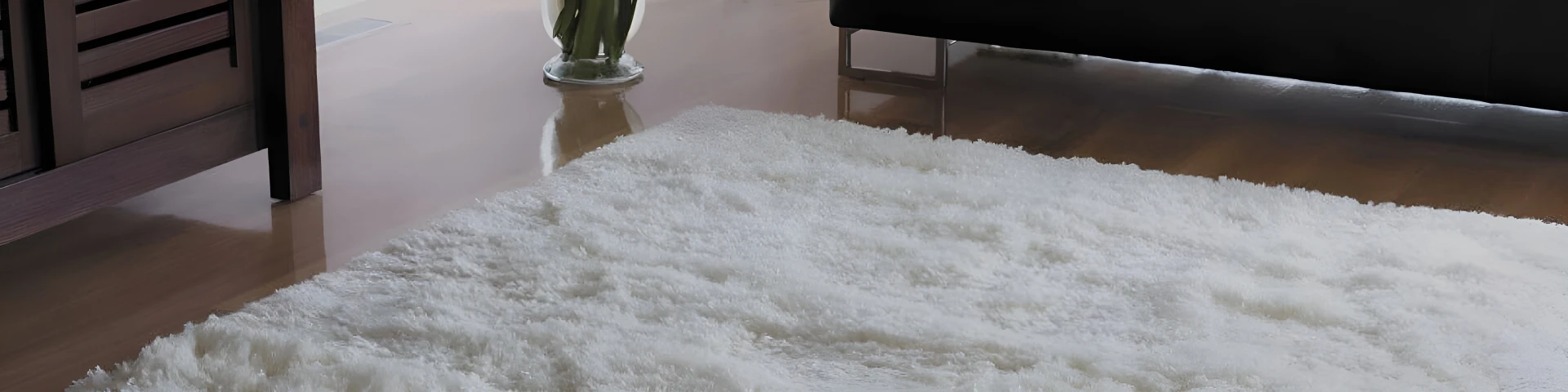
The white fluffy rug, typically circular in design, represents a significant segment within the broader floor covering industry. Its technical position lies in the intersection of textile engineering, polymer chemistry, and manufacturing processes focused on comfort and aesthetic appeal. Unlike hard flooring solutions, these rugs prioritize tactile sensation and sound dampening. Core performance characteristics center around pile density, fiber composition, abrasion resistance, colorfastness, and dimensional stability. A key industry pain point revolves around maintaining consistent loft and preventing fiber shedding, impacting both product lifespan and consumer satisfaction. This guide provides an in-depth analysis of these parameters, manufacturing techniques, potential failure modes, and relevant industry standards, offering a comprehensive technical overview.
Material Science & Manufacturing
White fluffy rugs predominantly utilize synthetic fibers, with polypropylene (PP) being the most common due to its cost-effectiveness, inherent stain resistance, and ability to create a soft texture. Polyester is also frequently used, offering improved color retention and a silkier feel, although generally at a higher cost. The 'fluffiness' is achieved through high pile height and fiber crimping. Backing materials typically consist of jute or polypropylene, providing structural support and preventing the rug from unraveling. Manufacturing involves several key stages. First, the fibers are extruded and processed to achieve the desired denier (fiber thickness) and crimp. These fibers are then tufted into a primary backing material using specialized tufting machines. This process creates loops on the surface. These loops are then sheared to create a cut pile, resulting in the characteristic fluffy texture. A secondary backing, often a latex or synthetic rubber compound, is applied to further enhance dimensional stability and prevent slippage. Critical parameter control during manufacturing includes consistent yarn tension, accurate loop density, and uniform application of the secondary backing. Variations in these parameters directly affect the rug's durability and aesthetic quality. Fiber denier impacts the overall softness; lower denier values generally equate to a softer feel. The latex compound's viscosity and curing temperature influence adhesion and resistance to cracking.
Performance & Engineering
The performance of a white fluffy rug is fundamentally linked to its ability to withstand compressive forces and maintain its structural integrity over time. Force analysis reveals that the pile fibers bear the brunt of foot traffic, leading to gradual compression and fiber deformation. The backing material provides support, preventing excessive stretching and maintaining the rug's shape. Environmental resistance is a significant consideration. Exposure to UV radiation can cause color fading and fiber degradation, particularly with polyester fibers. Moisture absorption can lead to mold and mildew growth, especially in jute-backed rugs. Abrasion resistance, quantified by the Wyzenbeek test, determines the rug's ability to withstand wear and tear. Compliance requirements often include flammability testing (meeting standards like NFPA 701) and VOC emission standards (like CARB Phase 2). Functional implementation revolves around the rug’s intended use – a bedroom rug demands higher softness and aesthetic appeal, while a high-traffic area requires enhanced durability and stain resistance. Pile height directly correlates with comfort but inversely with durability; higher piles are more susceptible to matting. The density of the pile fibers (weight per unit area in grams/square meter) also plays a critical role in resilience and overall performance.
Technical Specifications
| Parameter | Polypropylene (PP) Rug | Polyester Rug | Jute-Backed Rug |
|---|---|---|---|
| Pile Material | 100% Polypropylene | 100% Polyester | Polypropylene/Polyester Blend |
| Pile Height (mm) | 30-40 | 35-45 | 25-35 |
| Pile Density (g/m²) | 800-1200 | 1000-1500 | 600-1000 |
| Backing Material | Polypropylene | Polypropylene | Jute |
| Abrasion Resistance (Wyzenbeek Cycles) | 5,000-8,000 | 7,000-10,000 | 3,000-5,000 |
| UV Resistance (Colorfastness - Grey Scale) | 4-5 | 3-4 | 3-4 |
Failure Mode & Maintenance
Common failure modes for white fluffy rugs include fiber shedding, matting, color fading, and backing deterioration. Fiber shedding typically occurs due to inadequate fiber anchoring during manufacturing or excessive wear. Matting results from the compression of pile fibers, leading to a loss of loft and a flattened appearance. Color fading is primarily caused by prolonged exposure to UV radiation, particularly in direct sunlight. Backing deterioration manifests as cracking, delamination, or disintegration of the backing material, compromising the rug’s structural integrity. Oxidation of the latex adhesive in the backing is a major contributor to backing failure. Professional maintenance involves regular vacuuming to remove loose dirt and debris. Spot cleaning with a mild detergent is recommended for spills. Avoid harsh chemicals and excessive moisture, which can damage the fibers and backing. Periodic professional cleaning can help restore the rug’s loft and remove embedded dirt. To mitigate shedding, a rug pad can provide additional support and reduce fiber movement. Rotating the rug periodically can help distribute wear evenly and prevent localized matting. For UV protection, consider placing the rug away from direct sunlight or using window treatments to filter UV rays. Addressing failure proactively, such as re-adhering a separating backing, can significantly extend the rug's lifespan.
Industry FAQ
Q: What is the impact of different backing materials on the rug's lifespan and environmental footprint?
A: Jute backing, while renewable, is susceptible to moisture damage and degradation, reducing lifespan. Polypropylene backing offers superior durability and moisture resistance but is derived from petroleum. Recycled polypropylene backings are becoming more prevalent, offering a balance between performance and sustainability. The latex adhesive used in many backings is also a concern due to potential VOC emissions and limited recyclability. Newer formulations utilizing water-based adhesives are gaining traction.
Q: How does pile density affect the rug's performance in high-traffic areas?
A: Higher pile density generally translates to improved resilience and durability in high-traffic areas. A denser pile can withstand greater compression and recover its shape more effectively. However, extremely high pile densities can also make the rug more difficult to clean. A balance is needed between density, fiber type, and intended use.
Q: What are the key considerations when selecting a rug for a home with pets?
A: Stain resistance is paramount. Polypropylene fibers are inherently stain-resistant, making them a good choice. Low pile height minimizes the chances of pet hair becoming embedded. Regular vacuuming is essential. Rugs with a tightly woven construction are less likely to be damaged by pet claws.
Q: What testing standards are typically used to assess the flammability of rugs?
A: NFPA 701 is a common standard for assessing the flammability of textiles, including rugs. This test measures the flame spread and smoke development characteristics of the material. Other standards, such as California Technical Bulletin 117, may also be required depending on the intended market.
Q: How can manufacturers mitigate the issue of fiber shedding in fluffy rugs?
A: Optimizing the tufting process to ensure secure fiber anchoring is crucial. Using high-quality fibers with consistent properties also helps. Applying a latex coating to the primary backing can further lock the fibers in place. Pre-treating the rug with an anti-shedding solution during manufacturing can also reduce initial shedding.
Conclusion
The white fluffy rug, while seemingly simple in construction, embodies a complex interplay of material science, manufacturing engineering, and performance considerations. Selecting the appropriate fiber type, backing material, and manufacturing process is critical to achieving desired properties such as softness, durability, and aesthetic appeal. Addressing industry pain points such as fiber shedding and backing deterioration requires a focus on quality control, innovative material formulations, and proactive maintenance strategies.
Future developments in this sector are likely to focus on sustainable materials, such as recycled fibers and bio-based backings, and advanced manufacturing techniques that minimize waste and improve product longevity. Continued research into fiber locking mechanisms and anti-shedding treatments will further enhance the performance and lifespan of these popular floor coverings. Ultimately, a thorough understanding of the underlying technical principles is essential for both manufacturers and consumers seeking to optimize the value and enjoyment of white fluffy rugs.