


white fluffy sheepskin rug Performance Analysis
Introduction
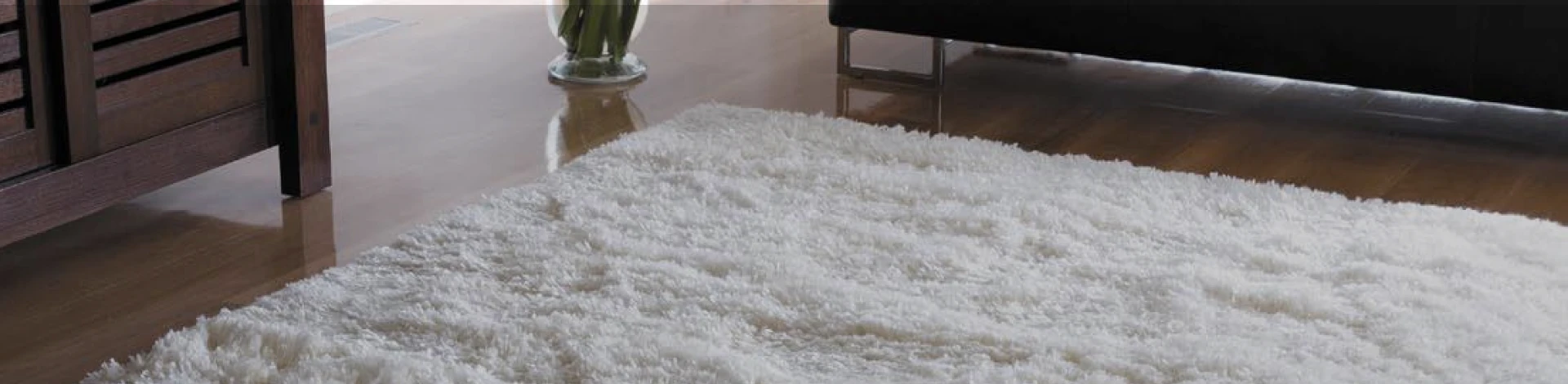
White fluffy sheepskin rugs represent a specialized segment within the broader floor covering industry, positioned as a luxury textile product valued for its comfort, aesthetic appeal, and thermal properties. Derived from the pelts of sheep, typically Merino, Icelandic, or other breeds selected for fiber density and quality, these rugs are processed through tanning and shearing to yield a soft, dense pile. Their technical position in the supply chain originates from animal husbandry, proceeding through leather processing, textile manufacturing, and finally, retail distribution. Core performance characteristics center around tactile sensation (softness, fluffiness), thermal insulation (R-value), moisture absorption, and aesthetic qualities related to texture and color. The primary industry challenge revolves around balancing sustainable sourcing, consistent quality control of the raw material, and maintaining the inherent softness and resilience of the fibers throughout the manufacturing and end-use lifecycle. Concerns regarding animal welfare are also increasingly prominent.
Material Science & Manufacturing
The primary raw material is sheepskin, with fiber composition largely consisting of keratin. Fiber diameter, crimp, and length are critical parameters influencing loft, resilience, and perceived softness. Merino sheepskins generally possess finer fibers (18-24 microns) than other breeds, contributing to superior tactile qualities. Manufacturing begins with sheepskin procurement, typically sourced from Australia, New Zealand, or Europe. The skins undergo a tanning process, commonly utilizing chrome tanning or vegetable tanning. Chrome tanning is faster and more cost-effective, yielding a softer leather, but raises environmental concerns due to chromium salts. Vegetable tanning, employing tannins extracted from plant matter, is environmentally friendlier but slower and produces a firmer leather. Following tanning, the skins are shorn to achieve the desired pile height. Shearing precision directly impacts the rug's aesthetic and tactile performance. The shaved wool is often re-dyed to achieve desired colour uniformity and vibrancy. Finally, the tanned and shorn skins are assembled, often utilizing a backing material (typically latex or synthetic fibers) to enhance durability and prevent slippage. Key parameter control during manufacturing includes consistent tanning chemical concentrations, shearing angle and depth, backing adhesive strength, and colorfastness testing. Variations in these parameters can lead to inconsistencies in texture, durability, and aesthetic appeal. Wool is naturally lanolin rich which necessitates the careful removal of lanolin to prevent matting and to improve the dye affinity of the fibres.
Performance & Engineering
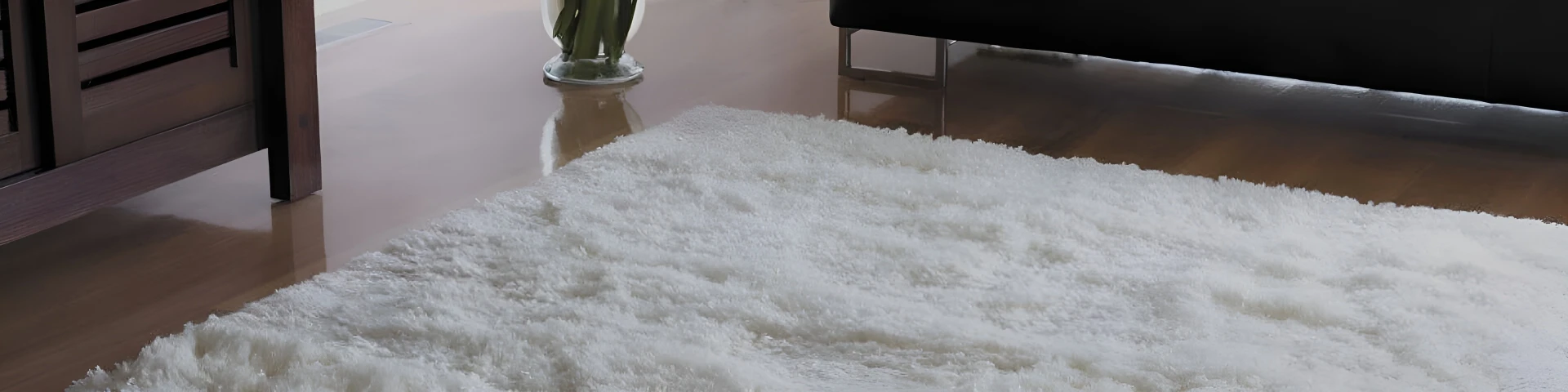
Performance evaluation of sheepskin rugs necessitates consideration of several engineering principles. Thermal insulation is governed by the air trapped within the fiber matrix, with R-values typically ranging from 1.0 to 2.5, depending on pile height and density. Force analysis reveals that the compressive strength of the pile is a key determinant of resilience and resistance to matting. Higher density piles exhibit greater compressive strength. Moisture absorption is inherent to wool fibers, with an ability to absorb up to 30% of their weight in water without feeling wet. This property contributes to comfort but also necessitates careful maintenance to prevent mildew growth. Environmental resistance is primarily related to UV exposure, which can degrade keratin fibers, leading to discoloration and reduced strength. Abrasion resistance is moderate, with susceptibility to wear in high-traffic areas. Compliance requirements vary by region but generally address flammability (meeting relevant fire safety standards like California Technical Bulletin 117), formaldehyde content (restricting levels in tanning chemicals), and azo dye content (ensuring compliance with REACH regulations). Static electricity build-up is a common concern, necessitating the use of anti-static treatments or grounding techniques. The structural integrity relies on the mechanical interlocking of the wool fibers and the adhesion between the wool and the backing material. Prolonged compression can lead to fiber breakdown and delamination.
Technical Specifications
| Parameter | Unit | Typical Value (Merino Sheepskin) | Testing Standard |
|---|---|---|---|
| Fiber Diameter | microns | 18-24 | ISO 9090 |
| Pile Height | mm | 25-60 | ASTM D3884 |
| Density | g/m² | 500-1000 | ISO 8546 |
| R-Value (Thermal Resistance) | m²·K/W | 1.0-2.5 | ASTM C518 |
| Moisture Absorption | % | Up to 30 | ISO 9237 |
| Colorfastness to Light | Grade | 4-5 (Grey Scale) | ISO 105-B02 |
Failure Mode & Maintenance
Common failure modes in white fluffy sheepskin rugs include fiber shedding, matting, discoloration, and delamination. Fiber shedding is inherent to the material, particularly during initial use, but excessive shedding indicates low fiber cohesion or improper tanning. Matting occurs due to fiber compression and loss of resilience, accelerated by high foot traffic and lack of proper maintenance. Discoloration can result from UV exposure, staining, or improper cleaning agents. Yellowing is particularly prevalent in older rugs exposed to sunlight. Delamination, the separation of the sheepskin from the backing material, signifies adhesive failure and reduces the rug's structural integrity. Oxidation of the lanolin component can also lead to fiber embrittlement over extended periods. Maintenance strategies include regular vacuuming (using a brush attachment to avoid damaging fibers), professional dry cleaning (avoiding harsh chemicals), spot cleaning with mild detergent, and avoiding prolonged exposure to direct sunlight. Periodic brushing with a wire brush can help restore pile loft. For delamination, professional re-gluing by a textile restoration specialist is the most effective repair option. Preventative measures include rotating the rug to distribute wear, using rug pads to protect the floor and enhance cushioning, and avoiding placing heavy furniture directly on the rug.
Industry FAQ
Q: What differentiates a high-quality sheepskin rug from a lower-quality one in terms of material sourcing?
A: A high-quality rug typically utilizes sheepskin sourced from breeds known for finer fibers, like Merino. Traceability to the farm of origin is also a key indicator, suggesting responsible animal husbandry practices. Lower-quality rugs often employ coarser fibers from less-selective breeds, with limited transparency regarding sourcing. Fiber length and crimp also influence quality; longer, more crimped fibers create a more resilient and luxurious pile.
Q: How does the tanning process impact the longevity and feel of the sheepskin rug?
A: The tanning process significantly affects both longevity and feel. Chrome tanning yields a softer, more pliable leather but raises environmental concerns and may lead to quicker degradation compared to vegetable tanning. Vegetable tanning, though slower, results in a firmer, more durable leather with a lower environmental impact. Proper tanning neutralizes the skin to prevent decomposition and sets the fibre structure. Inadequate tanning can cause cracking and odour.
Q: What is the best method for cleaning a white fluffy sheepskin rug to prevent discoloration and matting?
A: Professional dry cleaning is generally recommended, using a solvent specifically formulated for delicate wool fibers. Avoid home washing machines, as agitation can cause matting. Spot cleaning can be performed with a mild detergent diluted in cool water, applied gently and blotted dry. Avoid excessive moisture and harsh chemicals. Regular vacuuming with a brush attachment is crucial to remove dust and debris.
Q: Are there specific certifications or standards I should look for to ensure the sheepskin rug is ethically sourced?
A: Look for certifications such as the Responsible Wool Standard (RWS) or OEKO-TEX Standard 100, which verify responsible animal welfare practices and the absence of harmful chemicals. Traceability certifications are also valuable, allowing you to verify the origin of the sheepskin. Independent audits conducted by reputable organizations are essential for confirming compliance.
Q: How can I mitigate the risk of delamination in a sheepskin rug?
A: To minimize delamination risk, use a high-quality rug pad beneath the sheepskin rug to provide cushioning and reduce stress on the adhesive bond. Avoid placing heavy furniture directly on the rug. Regular vacuuming prevents dirt accumulation that can weaken the adhesive. If delamination occurs, seek professional repair from a textile restoration specialist, who can re-glue the sheepskin to the backing material.
Conclusion
White fluffy sheepskin rugs represent a complex interplay of material science, manufacturing expertise, and performance engineering. Their value proposition centers on providing exceptional comfort and aesthetic appeal, but realizing these benefits requires a thorough understanding of the underlying properties of wool, the intricacies of tanning processes, and the potential failure modes that can compromise longevity and appearance. The selection of appropriate raw materials, meticulous control of manufacturing parameters, and adherence to industry standards are critical to ensuring product quality and durability.
Looking ahead, sustainability and ethical sourcing will become increasingly important considerations in the sheepskin rug industry. Innovation in tanning techniques, exploring alternatives to chrome tanning, and developing biodegradable backing materials will be key drivers of future advancements. Furthermore, advancements in fiber treatment technologies may enhance stain resistance, improve abrasion resistance, and extend the lifespan of these luxurious textiles. Continued focus on responsible animal welfare practices is essential for maintaining consumer trust and ensuring the long-term viability of the industry.