


white fur throw rug Performance Analysis
Introduction
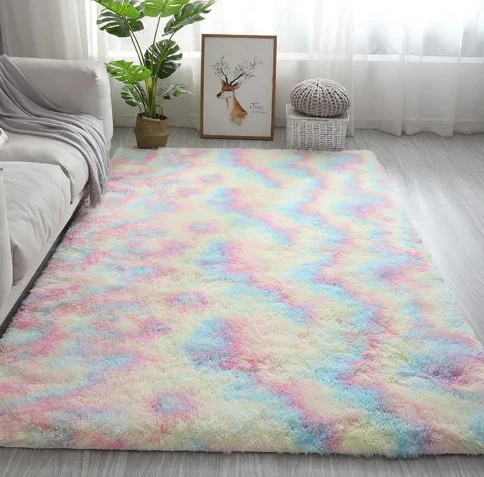
White fur throw rugs represent a significant segment within the broader decorative textiles market, bridging the gap between comfort, aesthetics, and functional floor covering. Their position in the supply chain extends from raw material sourcing – primarily animal fibers or synthetic mimics – through textile manufacturing, finishing processes, and finally, retail distribution. Core performance characteristics revolve around tactile softness, thermal insulation, aesthetic appeal (visual texture and color), and durability against typical household traffic. However, these rugs present unique challenges relating to cleaning, shedding, and the ethical sourcing of animal-derived materials. This guide provides an in-depth technical analysis of white fur throw rugs, covering material science, manufacturing processes, performance parameters, potential failure modes, and relevant industry standards. Understanding these aspects is critical for manufacturers, quality control specialists, and procurement managers aiming for optimal product development and long-term performance.
Material Science & Manufacturing
The “fur” component of these rugs can originate from either animal sources (sheepskin, rabbit, mink, etc.) or synthetic fibers designed to replicate the appearance and feel of natural fur. Animal fur consists primarily of keratin, a fibrous structural protein, with varying levels of lanolin (wool grease) depending on the species and processing. Synthetic alternatives commonly utilize acrylic, polyester, or modacrylic fibers, often employing specialized texturing techniques to mimic the pile structure of natural fur. Manufacturing processes vary considerably based on the material. Genuine sheepskin rugs often undergo tanning and dyeing processes, followed by shearing to achieve the desired pile length. Synthetic rugs are typically produced through knitting or weaving processes, with the fibers subsequently cut and brushed to create a fur-like texture. Critical parameters during manufacturing include fiber denier (fineness), pile height, pile density, and the type of backing material used (e.g., jute, latex, PVC). The backing material impacts durability, slip resistance, and potential for off-gassing of volatile organic compounds (VOCs). For synthetic materials, the polymerization process and the addition of UV stabilizers are crucial for preventing color fading and fiber degradation. The dyeing process, whether for natural or synthetic fibers, must be carefully controlled to ensure colorfastness and avoid damaging the fiber structure.
Performance & Engineering
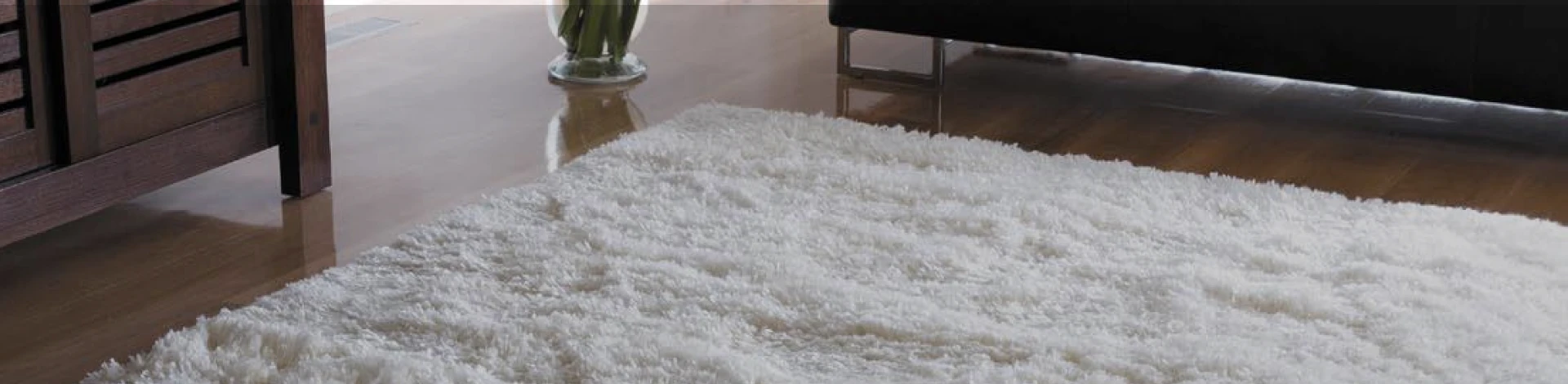
Performance evaluation of white fur throw rugs encompasses several key areas. Pile compression resistance is paramount, determining the rug’s ability to recover its shape after being subjected to foot traffic. This is directly related to fiber resilience and the backing material’s structural integrity. Slip resistance, tested using methods like ASTM D2047, is critical for safety, especially on smooth flooring surfaces. Thermal insulation is a key selling point; the rug’s R-value (thermal resistance) is determined by the pile height, density, and the fiber’s inherent insulating properties. Colorfastness to light and washing is assessed using standards like ISO 105, ensuring the white fur maintains its appearance over time. Environmental resistance concerns include susceptibility to staining from liquids (water, coffee, wine) and potential damage from pet claws or abrasive particles. Flame retardancy is also a vital engineering consideration, particularly for rugs intended for use in bedrooms or living areas. Chemical compatibility with common cleaning agents needs to be verified to prevent fiber damage or discoloration. Force analysis, involving tensile strength and tear resistance testing, reveals the rug’s overall structural integrity and resistance to wear and tear. Compliance with VOC emission regulations (e.g., CARB Section 93120) is increasingly important, especially for rugs using synthetic materials and latex backing.
Technical Specifications
| Parameter | Unit | Typical Range (Synthetic Fur) | Typical Range (Sheepskin) |
|---|---|---|---|
| Pile Height | mm | 25-60 | 30-80 |
| Pile Density | g/m² | 800-2000 | 500-1500 |
| Fiber Composition | - | Polyester, Acrylic, Modacrylic | 100% Sheep Wool/Hair |
| Backing Material | - | Jute, Latex, PVC | Leather, Suede |
| Slip Resistance (Static Coefficient of Friction) | - | ≥ 0.7 (on wood floor) | ≥ 0.8 (on wood floor) |
| Colorfastness to Light (Grey Scale Rating) | - | ≥ 5 | ≥ 6 |
Failure Mode & Maintenance
Common failure modes for white fur throw rugs include excessive shedding, matting of the pile, discoloration due to staining or UV exposure, and delamination of the backing material. Shedding is particularly prevalent in synthetic rugs, arising from loose fibers not fully anchored during manufacturing. Matting occurs with repeated foot traffic, compressing the pile and reducing its loft. Discoloration can be caused by spills, exposure to direct sunlight, or inadequate cleaning. Delamination results from the adhesive bond between the pile and the backing weakening over time, often exacerbated by moisture exposure. Fatigue cracking can occur in the backing material, especially with repeated stress. Oxidation can degrade synthetic fibers, leading to brittleness and color fading. Maintenance recommendations include regular vacuuming with a gentle suction setting to remove loose debris and prevent matting. Spot cleaning with a mild detergent and water is recommended for spills, avoiding harsh chemicals that can damage the fibers. Professional cleaning may be necessary for deep cleaning and stain removal. For sheepskin rugs, specific leather care products are required to maintain suppleness and prevent drying. Avoid excessive moisture exposure and direct sunlight to prolong the rug’s lifespan. Proper storage in a dry, well-ventilated area is crucial when the rug is not in use.
Industry FAQ
Q: What are the key differences in performance between acrylic and polyester fur throws?
A: Polyester generally exhibits superior abrasion resistance and colorfastness compared to acrylic. Acrylic tends to pill more readily and is more susceptible to damage from UV exposure. However, acrylic often provides a softer, more luxurious feel initially, while polyester can feel slightly coarser. The choice depends on the desired balance of durability, aesthetics, and cost.
Q: How can we verify the ethical sourcing of sheepskin used in these rugs?
A: Ethical sourcing requires traceability back to the farm of origin. Look for certifications like the Responsible Wool Standard (RWS) which ensures animal welfare and land management practices. Auditing of the supply chain by independent third-party organizations is crucial to verify compliance with ethical standards. Documentation demonstrating adherence to mulesing-free practices is also essential.
Q: What are the VOC emission concerns related to latex-backed rugs, and how are they mitigated?
A: Latex can release VOCs like formaldehyde, which can contribute to indoor air pollution. Mitigation strategies include using low-VOC latex formulations, employing post-curing processes to reduce residual monomers, and using alternative backing materials like jute or polypropylene. Compliance with standards like CARB Section 93120 is vital.
Q: What impact does pile density have on the thermal insulation performance of the rug?
A: Higher pile density generally translates to better thermal insulation. A denser pile traps more air, creating a more effective barrier against heat transfer. However, extremely high pile density can also make the rug feel less soft and comfortable. An optimal balance is crucial.
Q: How does the manufacturing process affect the shedding characteristics of synthetic fur rugs?
A: The quality of the fiber cutting and anchoring process significantly impacts shedding. Precise cutting with sharp blades and secure anchoring of the fibers into the backing material minimize shedding. Insufficient fiber anchoring or dull cutting blades lead to increased loose fibers and subsequent shedding.
Conclusion
White fur throw rugs, whether composed of natural or synthetic materials, demand a thorough understanding of material science, manufacturing techniques, and performance characteristics to ensure optimal quality and longevity. The selection of appropriate fibers, backing materials, and manufacturing processes directly impacts key performance attributes such as durability, slip resistance, thermal insulation, and aesthetic appeal. Addressing potential failure modes through proper maintenance and quality control measures is critical for maximizing product lifespan and customer satisfaction.
Future trends in this sector will likely focus on sustainable materials, improved manufacturing techniques to minimize shedding and VOC emissions, and innovative designs that enhance both comfort and functionality. A continued emphasis on ethical sourcing and transparent supply chains will also be paramount, driven by increasing consumer awareness and demand for responsible products. Investments in advanced textile testing and quality control procedures will further enhance the performance and reliability of white fur throw rugs.