

xl faux fur rug Performance Analysis
Introduction
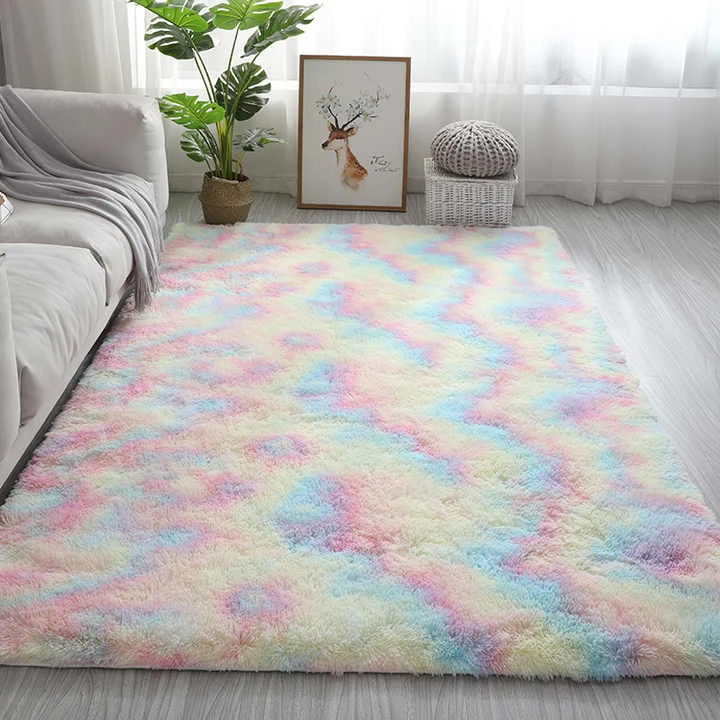
The XL faux fur rug represents a significant segment within the broader decorative textiles market, functioning as a floor covering designed to mimic the aesthetic and tactile qualities of animal fur. Technically, it’s classified as a pile textile constructed from synthetic fibers, primarily acrylic, polyester, or a blend of both. Positioned between low-cost natural fiber rugs and genuine fur products, XL faux fur rugs offer a comparatively affordable and ethically sourced alternative. Core performance characteristics include pile height, fiber density, base material durability, and resistance to shedding. A primary industry pain point revolves around achieving consistent fur-like texture, minimizing fiber loss during use, and ensuring colorfastness against UV exposure and common cleaning agents. The production process has evolved from simple knit constructions to more sophisticated tufting and weaving methods, increasing the complexity of material selection and quality control.
Material Science & Manufacturing
The primary raw material for XL faux fur rugs is synthetic polymers, predominantly acrylic and polyester. Acrylic fibers (polyacrylonitrile) are favored for their soft hand feel and resemblance to natural fur, exhibiting a good drape and bulk. However, acrylic presents challenges in abrasion resistance and susceptibility to pilling. Polyester, on the other hand, demonstrates superior durability, resilience, and resistance to moisture and UV degradation, but can lack the plushness of acrylic. Fiber denier, typically ranging from 0.5 to 3.0 D, influences the fineness and softness of the fur.
Manufacturing processes generally involve these stages: Yarn Extrusion – The polymer resin is melted and extruded through spinnerets to form continuous filaments. These filaments are then drawn and textured to enhance bulk and crimp. Tufting – This is the most common method. Loops of yarn are inserted into a primary backing material (typically polypropylene) using needles. Shearing & Carving – The pile surface is sheared to achieve the desired pile height and density. Carving techniques are employed to create variations in pile height, mimicking the natural layering of fur. Backing Application – A secondary backing (often latex or polyurethane foam) is applied to provide additional cushioning, stability, and prevent slippage. Finishing – This includes brushing, fluffing, and quality control inspections. Critical parameters include yarn tension during tufting, shear blade sharpness, backing adhesive viscosity, and curing temperature. Variations in these parameters directly impact the rug's texture, durability, and overall performance.
Performance & Engineering
The performance of an XL faux fur rug is dictated by a combination of fiber properties and structural integrity. Force analysis focuses on tensile strength (resistance to pulling forces), tear strength (resistance to ripping), and pile retention force (resistance to fiber pull-out). Environmental resistance is critical; prolonged exposure to UV radiation can cause color fading and fiber degradation, particularly in acrylic fibers. Moisture resistance is vital to prevent mildew and odors. Flammability is a key safety concern, regulated by standards like California Bulletin 95 and similar international regulations.
Engineering considerations include the choice of backing material and its adhesion to the pile. Poor adhesion leads to delamination and premature failure. Pile density influences the rug's comfort, insulation properties, and resistance to matting. The rug's overall weight and dimensions impact its handling and installation. Compliance requirements necessitate adherence to chemical restrictions such as REACH and RoHS, ensuring the absence of harmful substances. Furthermore, the rug must withstand repeated foot traffic and cleaning cycles without significant degradation. The distribution of stress and strain throughout the rug’s structure determines its longevity and resistance to wear.
Technical Specifications
| Parameter | Acrylic Fiber Rug | Polyester Fiber Rug | Pile Height (mm) |
|---|---|---|---|
| Fiber Composition | 80-100% Acrylic | 80-100% Polyester | 25-60 |
| Pile Density (grams/m²) | 800-1500 | 1000-2000 | Weight (kg/m²) |
| Tensile Strength (N/cm) | 40-60 | 60-80 | 1.0-2.5 |
| Colorfastness to Light (Grey Scale Rating) | 4-6 | 6-8 | Backing Material |
| Moisture Absorption (%) | 5-10 | 0.5-2 | Polypropylene/Latex |
| Flammability (meets standard) | California Bulletin 95 | California Bulletin 95 | Cleaning Recommendation |
Failure Mode & Maintenance
Common failure modes for XL faux fur rugs include fiber shedding, matting, delamination, and color fading. Fiber shedding is often caused by abrasion during use or insufficient fiber anchoring during manufacturing. Matting results from the compression of the pile fibers, reducing their resilience. Delamination occurs when the backing separates from the pile, compromising the rug’s structural integrity. Color fading is primarily caused by UV exposure. Oxidation of acrylic fibers can also lead to brittleness and cracking.
Preventative maintenance includes regular vacuuming (using a suction-only nozzle to avoid pulling fibers), prompt stain removal (using mild detergents), and avoiding direct sunlight exposure. For delamination, professional re-gluing of the backing may be possible, although complete restoration is often challenging. Pilling can be addressed with a fabric shaver. Periodic rotation of the rug can distribute wear evenly and extend its lifespan. Professional cleaning is recommended annually, using a dry cleaning method to avoid excessive moisture exposure.
Industry FAQ
Q: What differentiates a high-quality faux fur rug from a lower-end one?
A: A high-quality rug typically features a higher fiber density, resulting in a fuller and more luxurious feel. The fiber type (premium acrylic or polyester with specialized treatments) and pile construction significantly contribute to durability and resistance to shedding. The backing material is also crucial – a robust, multi-layer backing provides superior stability and prevents delamination. Finally, colorfastness testing and adherence to flammability standards indicate a more rigorously manufactured product.
Q: How does the choice of fiber – acrylic versus polyester – impact the rug’s lifespan?
A: Polyester generally offers a longer lifespan due to its superior abrasion resistance, UV stability, and moisture resistance. Acrylic is softer but more prone to pilling, fading, and degradation over time. However, advancements in acrylic fiber technology are continually improving its durability.
Q: What are the implications of different pile heights for comfort and maintenance?
A: Higher pile heights (40-60mm) provide a more plush and luxurious feel but require more frequent and thorough vacuuming to prevent matting and maintain their appearance. Lower pile heights (25-40mm) are easier to clean and maintain but offer less cushioning.
Q: What cleaning agents are safe to use on an XL faux fur rug?
A: Mild, pH-neutral detergents are recommended. Avoid harsh chemicals, bleach, or abrasive cleaners, as they can damage the fibers and cause discoloration. Spot cleaning with a damp cloth is usually sufficient for minor spills. Professional dry cleaning is recommended for overall cleaning.
Q: What standards ensure the safety of these rugs, particularly regarding flammability and chemical emissions?
A: Regulations like California Bulletin 95 (flammability) and standards like REACH and RoHS (chemical restrictions) are crucial. Compliance with these standards ensures the rug meets minimum safety requirements and does not release harmful substances into the environment.
Conclusion
The XL faux fur rug represents a sophisticated balance of aesthetics, affordability, and ethical sourcing within the floor covering industry. Successful manufacturing requires careful material selection, precise process control, and a thorough understanding of fiber properties and performance characteristics. Addressing the industry pain points – fiber shedding, colorfastness, and durability – through technological innovation and stringent quality control measures is paramount.
Looking ahead, advancements in bio-based polymers and sustainable manufacturing practices will likely play an increasingly important role in the evolution of faux fur rugs. Further research into fiber treatments to enhance UV resistance and reduce pilling will also be critical. Ultimately, the long-term success of this product category hinges on delivering a high-quality, durable, and environmentally responsible alternative to traditional fur rugs.