

animal rug faux Performance Analysis
Introduction
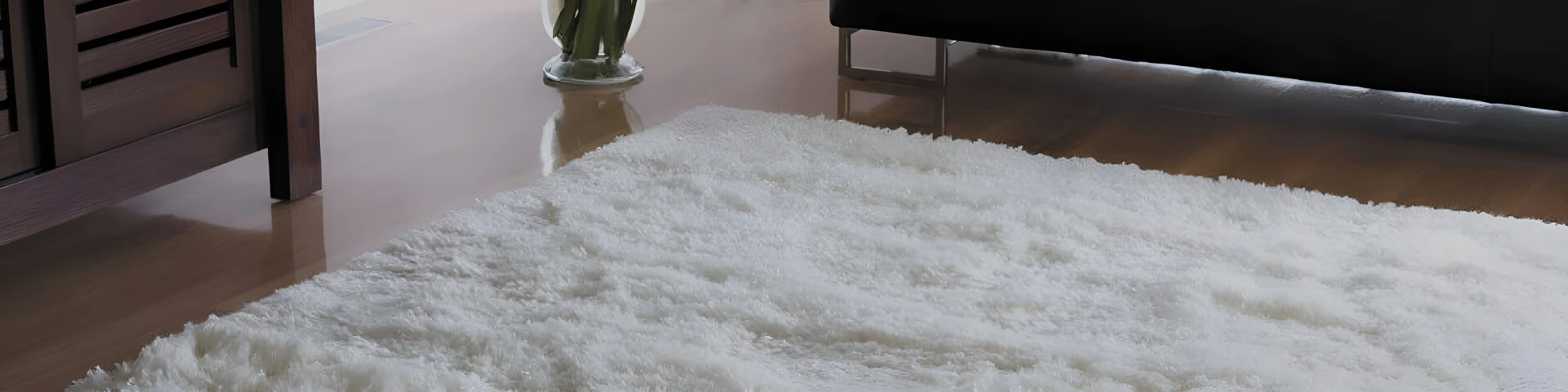
Animal rug faux, encompassing synthetic alternatives to animal hides, represents a significant segment within the broader flooring and decorative textile industry. Positioned as a cruelty-free and often more cost-effective solution, faux animal rugs are utilized in residential, commercial, and hospitality settings. These products typically consist of a base material – often polypropylene, polyester, or acrylic – with a surface treatment designed to mimic the texture, color, and pattern of genuine animal fur or skin. Core performance characteristics revolve around aesthetic appeal, durability against foot traffic, ease of cleaning, and resistance to shedding. The industry is driven by evolving consumer preferences towards sustainable and ethical products, alongside demands for hypoallergenic and easily maintained interior décor. This guide provides a comprehensive technical overview of animal rug faux, covering materials, manufacturing, performance, failure modes, and relevant industry standards.
Material Science & Manufacturing
The foundation of animal rug faux lies in polymer science. Polypropylene (PP) is a prevalent choice due to its cost-effectiveness, inherent stain resistance, and ability to be heat-set into various pile textures. Polyester (PET) offers enhanced softness and color retention, although with slightly lower inherent stain resistance compared to PP. Acrylic fibers contribute a luxurious hand-feel, resembling wool, but exhibit lower abrasion resistance. The manufacturing process typically begins with the production of these polymer fibers via extrusion. These fibers are then processed into yarn through spinning and texturing, impacting the ultimate pile density and tactile properties of the rug. The crucial step is the pile formation, commonly achieved through tufting, weaving, or needle punch techniques. Tufting involves inserting yarn loops through a primary backing material – often polypropylene – creating the pile. Weaving interlocks the yarns, offering greater durability but typically at a higher cost. Needle punching mechanically interlocks fibers directly into the backing, creating a dense, robust structure. Post-pile formation, a secondary backing, often a latex or polyurethane coating, is applied to enhance dimensional stability and provide cushioning. Finally, a surface treatment – involving dyeing, printing, and sometimes brushing or carving – is applied to achieve the desired aesthetic mimicking animal hides. Parameter control during fiber extrusion (denier, crimp), yarn twisting, pile density (stitches per inch), and the selection of backing materials critically influence the rug's performance characteristics.
Performance & Engineering
Performance evaluation of animal rug faux requires consideration of several engineering principles. Abrasion resistance, measured using the Wyzenbeek or Martindale method, dictates the rug's ability to withstand foot traffic. A minimum rating of 50,000 cycles is generally desired for residential use, increasing to 100,000+ cycles for high-traffic commercial environments. Tensile strength, assessed per ASTM D4530, determines the rug's resistance to tearing under stress. Colorfastness to light (ASTM D1654) and washing (AATCC 163) is crucial for maintaining aesthetic appearance over time. Flammability resistance is paramount, adhering to standards like the Pill Test (ASTM D2858) and the DOC FF1-70 smoke and flame spread test. The pile height and density significantly influence the rug's cushioning properties and thermal insulation. Force analysis reveals that the backing material plays a critical role in distributing weight and preventing delamination. Environmental resistance includes assessment of UV stability (to prevent fading) and resistance to common household chemicals (cleaning agents, spills). Compliance with VOC emission standards (California Section 01350) is increasingly important for indoor air quality. Understanding the interplay between fiber type, pile construction, and backing material is crucial for engineering a faux animal rug with optimal performance characteristics.
Technical Specifications
| Parameter | Polypropylene (PP) | Polyester (PET) | Acrylic | Typical Range |
|---|---|---|---|---|
| Fiber Denier (dtex) | 200-600 | 300-800 | 500-1200 | 200-1200 |
| Pile Height (mm) | 5-50 | 5-50 | 10-60 | 5-60 |
| Pile Density (Stitches/10cm) | 8-14 | 9-16 | 7-12 | 7-16 |
| Tensile Strength (N/5cm) | 150-250 | 200-300 | 100-200 | 100-300 |
| Abrasion Resistance (Wyzenbeek Cycles) | 20,000-80,000 | 30,000-100,000 | 15,000-60,000 | 15,000-100,000 |
| Colorfastness to Light (Rating 1-5) | 4-5 | 4-5 | 3-4 | 3-5 |
Failure Mode & Maintenance
Animal rug faux is susceptible to several failure modes. Delamination, the separation of the pile from the backing, is a common issue, often stemming from insufficient adhesive bonding during manufacturing or repeated stress. Fiber shedding, particularly with lower-quality products, results from inadequate fiber locking during pile formation. Crushing of the pile, leading to a flattened appearance, occurs under sustained pressure from heavy furniture or high foot traffic. Fading of color can result from prolonged exposure to ultraviolet (UV) radiation. Oxidation of the polymer fibers, leading to brittleness and discoloration, can occur over extended periods, especially with acrylic fibers. Stain penetration, despite inherent stain resistance, can occur with oil-based spills or aggressive cleaning agents. Maintenance recommendations include regular vacuuming to remove abrasive particles, prompt stain treatment using appropriate cleaning solutions (avoiding harsh chemicals), and periodic rotation of the rug to distribute wear evenly. Avoid prolonged direct sunlight exposure. Professional cleaning is recommended every 12-18 months to restore pile loft and remove embedded dirt. For delamination, repair may involve re-applying adhesive, although complete restoration may not always be possible. Preventive measures, such as using rug pads and minimizing exposure to harsh conditions, significantly extend the lifespan of the product.
Industry FAQ
Q: What is the primary difference in durability between polypropylene and polyester faux animal rugs?
A: While both PP and PET offer good durability, polyester generally exhibits slightly higher abrasion resistance and resilience, meaning it recovers its shape better after compression. However, polypropylene is intrinsically more resistant to staining, making it a better choice for high-spill environments. The specific construction (pile density, backing material) heavily influences overall durability in both cases.
Q: How does the pile height impact the suitability of a faux animal rug for different applications?
A: Lower pile heights (under 20mm) are generally preferred for high-traffic areas and under furniture as they are easier to clean and less prone to crushing. Higher pile heights (above 30mm) provide a more luxurious feel and enhanced thermal insulation but require more frequent maintenance and are less suitable for heavy use areas.
Q: Are faux animal rugs typically treated with any flame retardants?
A: Many faux animal rugs are inherently flame retardant due to the polymer composition. However, some manufacturers apply additional flame retardant treatments to meet specific flammability standards (e.g., DOC FF1-70). The presence and type of treatment should be specified by the manufacturer.
Q: What are the environmental considerations associated with faux animal rug production and disposal?
A: The production of faux animal rugs relies on petrochemical-based polymers. While more sustainable options like recycled polyester are emerging, the environmental impact primarily stems from the energy consumption during manufacturing and the challenges of plastic waste disposal. Proper end-of-life management, including recycling programs where available, is crucial.
Q: How can I minimize the risk of pile crushing on a faux animal rug?
A: Using rug pads distributes weight more evenly, preventing localized crushing. Regularly rotating the rug, avoiding placing heavy furniture directly on the pile, and prompt cleaning of spills all contribute to minimizing pile crushing and extending the rug's lifespan.
Conclusion
Animal rug faux provides a viable and increasingly sophisticated alternative to genuine animal hides, offering a combination of aesthetic appeal, cost-effectiveness, and ethical considerations. The performance of these rugs is fundamentally governed by the selection of polymer materials (polypropylene, polyester, acrylic), the manufacturing process employed (tufting, weaving, needle punch), and the quality of the backing system. Understanding the interplay between these factors is crucial for engineers and procurement professionals to select products appropriate for specific applications and ensure long-term durability.
The future of animal rug faux lies in advancements in sustainable materials – utilizing recycled polymers and bio-based alternatives – and enhanced manufacturing techniques to improve performance characteristics like abrasion resistance and dimensional stability. Continued adherence to stringent industry standards regarding flammability, VOC emissions, and colorfastness will be essential for maintaining consumer confidence and expanding market acceptance. A holistic approach, considering the entire lifecycle of the product – from raw material sourcing to end-of-life disposal – will drive innovation and sustainability within this dynamic segment of the flooring industry.