

black fur rug Performance Analysis

Introduction
Black fur rugs represent a significant segment within the decorative floor covering market, positioned primarily as a luxury and comfort item. Technically, these rugs are typically constructed using synthetic fibers, primarily polypropylene, polyester, or acrylic, mimicking the aesthetic of natural animal fur. Their production caters to both residential and commercial applications, demanding specific performance characteristics related to durability, pile density, colorfastness, and ease of maintenance. The core performance considerations revolve around providing a soft tactile experience, visual appeal, and a degree of thermal insulation. Unlike woven rugs, fur rugs utilize a manufacturing process that focuses on fiber anchoring to a backing material, influencing their structural integrity and long-term performance. The industry faces challenges regarding sustainable sourcing of materials, minimizing shedding, and achieving consistent pile height and texture across large production runs.
Material Science & Manufacturing
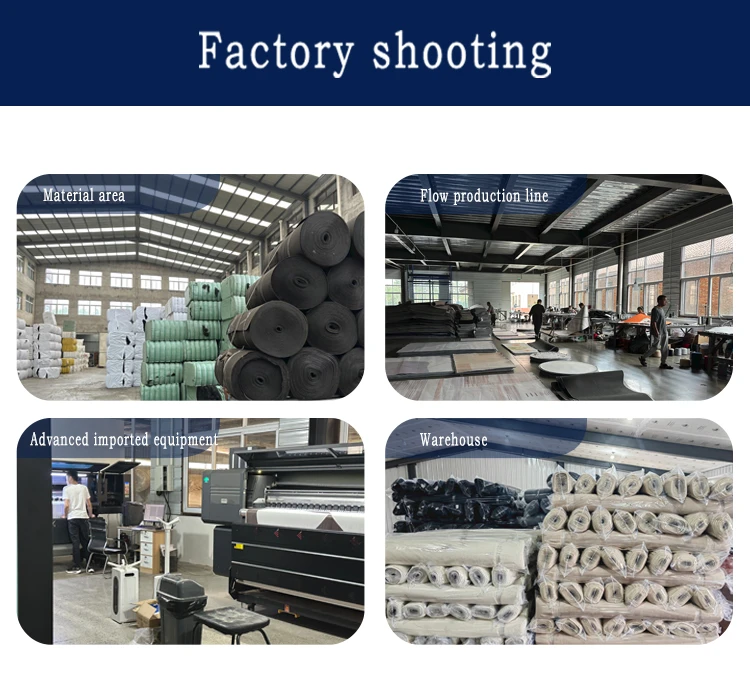
The primary raw materials used in black fur rug construction are synthetic polymers. Polypropylene (PP) is favored due to its cost-effectiveness and inherent stain resistance, however, its UV stability is limited, leading to potential fading with prolonged sun exposure. Polyester offers improved UV resistance and a softer hand feel but is generally more expensive. Acrylic provides a closer imitation of natural fur but suffers from lower abrasion resistance and potential pilling. The backing material is typically jute, polypropylene, or a combination of both, chosen for its structural support and dimensional stability. Manufacturing predominantly involves a tufting process. Fibers are mechanically inserted into a primary backing, followed by application of a latex adhesive to lock the fibers in place. A secondary backing is then applied for added durability and aesthetic finishing. Critical parameters during manufacturing include fiber density (measured in stitches per square inch), pile height (typically ranging from 20-50mm), and adhesive application rate. Consistent control of these parameters dictates the overall rug density, softness, and resistance to shedding. Dyeing is often performed on the fiber before tufting, using solution-dyed polymers for enhanced colorfastness. Quality control involves rigorous testing for pile height consistency, color uniformity, and adhesion strength, assessed via peel tests and tensile strength measurements.
Performance & Engineering
Performance characteristics of black fur rugs are largely dictated by the properties of the constituent materials. Abrasion resistance, evaluated using the Martindale or Wyzenbeek test, is crucial for assessing durability in high-traffic areas. Pile crush resistance, indicating the rug's ability to recover from compression, is critical for maintaining its aesthetic appearance. Flammability is a major concern, governed by standards such as NFPA 701 (US) and EN 13501-1 (Europe). Black coloration requires careful pigment selection to prevent color bleeding and maintain UV stability. Force analysis during use involves consideration of shear forces due to foot traffic and tensile stresses during handling. Environmental resistance concerns include susceptibility to mold and mildew growth in humid environments, and potential degradation from prolonged exposure to cleaning chemicals. Compliance requirements mandate adherence to VOC emission standards (e.g., CARB Phase II) and restrictions on hazardous substances (e.g., REACH in Europe). Static build-up can also be a performance issue, mitigated by incorporating anti-static treatments into the fiber composition or backing material. The backing material's tensile strength and elongation characteristics directly impact the rug’s resistance to tearing and deformation.
Technical Specifications
| Parameter | Unit | Typical Value (Low End) | Typical Value (High End) |
|---|---|---|---|
| Pile Height | mm | 20 | 50 |
| Fiber Density | Stitches/in² | 200 | 800 |
| Total Weight | g/m² | 800 | 2000 |
| Abrasion Resistance (Martindale) | Cycles | 5,000 | 20,000 |
| Colorfastness to Light | Grade (1-5) | 3 | 5 |
| Flammability (NFPA 701) | Pass/Fail | Pass | Pass |
Failure Mode & Maintenance
Common failure modes in black fur rugs include fiber shedding, pile crush, color fading, delamination of the backing, and staining. Shedding is a result of insufficient fiber anchoring during manufacturing, exacerbated by abrasion. Pile crush occurs due to repeated compression, reducing the rug’s loft and aesthetic appeal. Color fading is primarily caused by UV exposure, particularly in polypropylene rugs. Delamination results from adhesive failure between the fiber tufts and the backing material, often triggered by moisture and mechanical stress. Staining is a frequent issue, especially from oil-based substances. Maintenance is critical for prolonging the rug's lifespan. Regular vacuuming (using a suction-only vacuum head to minimize fiber pull) is essential for removing dust and debris. Spot cleaning should be performed immediately with a mild detergent and water. Professional cleaning is recommended annually to deep clean the fibers and restore pile loft. Avoid excessive moisture exposure, as it can promote mold growth and adhesive degradation. In case of delamination, adhesive re-application by a professional is necessary. For significant color fading, attempting to re-dye the rug is generally ineffective; replacement is often the most practical solution.
Industry FAQ
Q: What is the primary difference between a polypropylene and polyester fur rug in terms of durability?
A: Polyester generally exhibits higher abrasion resistance and better resilience to crushing compared to polypropylene. While polypropylene is more cost-effective, polyester’s superior fiber strength and elasticity contribute to a longer service life, particularly in high-traffic areas. However, polypropylene is inherently more stain-resistant.
Q: How does the backing material influence the overall performance of a fur rug?
A: The backing material provides structural integrity and prevents the fibers from pulling loose. Jute is a natural, breathable option but is susceptible to moisture damage. Polypropylene backing offers better moisture resistance but can be less durable under significant stress. The backing's tensile strength and elongation properties are key performance indicators.
Q: What are the common causes of shedding in fur rugs, and how can it be minimized?
A: Shedding is primarily caused by loose fiber anchoring during the tufting process. It can be minimized by increasing fiber density, utilizing a high-quality adhesive, and employing a robust secondary backing. Regular vacuuming also helps to remove loose fibers before they accumulate.
Q: What flammability standards are typically required for fur rugs sold in the US and Europe?
A: In the US, NFPA 701 is the primary flammability standard for floor coverings. In Europe, EN 13501-1 is the relevant standard. Compliance requires the rug to exhibit a specific flame spread resistance and limited smoke development.
Q: How can I prevent color fading in a black fur rug exposed to sunlight?
A: Using solution-dyed fibers offers the best protection against fading. Minimizing direct sunlight exposure through window coverings or rug placement is also effective. Regular rotation of the rug can distribute UV exposure more evenly.
Conclusion
Black fur rugs represent a complex balance of aesthetic appeal and technical performance. Their manufacturing relies heavily on the properties of synthetic polymers and the precision of the tufting process. Understanding the interplay between fiber type, pile density, backing material, and adhesive quality is paramount for achieving a durable, visually appealing, and safe product. Effective maintenance practices are crucial for mitigating common failure modes and extending the rug's lifespan.
Future advancements in this area will likely focus on developing more sustainable materials, reducing fiber shedding through innovative fiber locking technologies, and enhancing stain resistance through advanced surface treatments. The industry will also need to prioritize adherence to increasingly stringent environmental regulations regarding VOC emissions and hazardous substance usage. Continuous refinement of manufacturing processes and quality control measures will be critical for maintaining market competitiveness.